← All plants
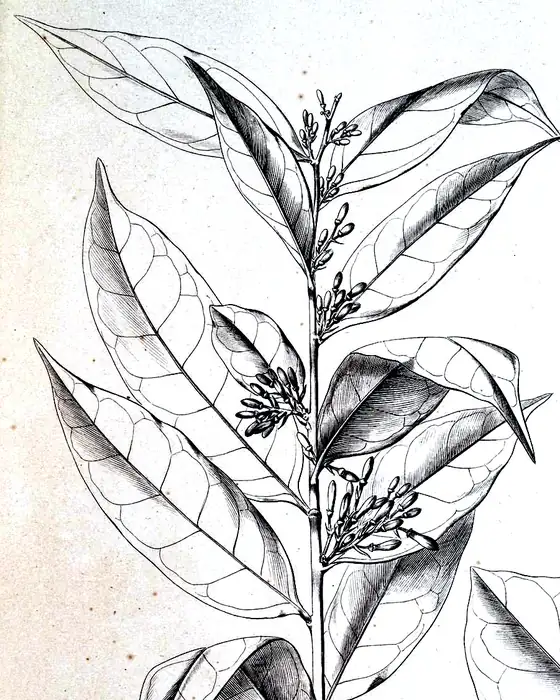
Archival plate of Ptychopetalum olacoides, from Engler, in Martius, Flora Brasiliensis, 1872, plate 3
The Moss Herbal Database
Ptychopetalum olacoides
Fam. Olacaceae
Parts: Bark and root
Plate: Engler, in Martius, Flora Brasiliensis, 1872, plate 3 ↗

Muira puama

Ptychopetalum olacoides
Also: Potency wood, Marapuama
WarmingNeutral moistureTonifying

A Brazilian tonic wood for desire, stamina, and a tired mind.

A small tree of the Amazon understory whose bark and roots have long been taken as a restorative for flagging desire and energy. Muira puama warms and tones, gently lifts stamina and mood, and is used for sexual vitality in any body.

Energetics
Warming, toning
Taste
Woody, astringent
Family
Olacaceae (olax family)
Parts used
Bark and root

Medicinal uses 3

The tags sort the evidence behind each use by kind. Members are able to tap a condition to compare every herb for it.

Traditional useLab and mechanism studiesClinical studies
  • An Amazonian restorative for low desire and difficulty with erections.

  • Restores stamina and nervous energy after long fatigue.

  • Improved memory in animal studies, echoing its use for a tired mind.

Preparations

Tincture, bark decoction, and vitality blends.

Members are able to see the amounts, ratios, and methods for each preparation, search by condition, and match herbs to your constitution.

Cautions

  • Generally well tolerated; it can be mildly stimulating, so take it earlier in the day if it disturbs sleep.

Pregnancy & breastfeeding

PregnancyAvoid

Muira puama has not been studied in pregnancy, and stimulating tonics are best left until after birth.

BreastfeedingAsk your practitioner

It has not been studied in nursing; check with your practitioner first.

Folklore

Muira puama comes from Tupi, the language of Brazil's coastal peoples, and is usually translated as potency wood. Brazilian markets still sell the shaved bark as a tonic for body and nerves. The tree stays small, growing only about 15 feet tall in the shade of the rainforest canopy.

How to grow

A small tree of the Amazon understory, not grown outside the tropics. Bark and roots come from wild trees.

In the wild

Rainforest of the Brazilian Amazon and neighboring regions.

Every herb here fits some people better than others. Find out which ones fit you.