The Moss Herbal Database
Astragalus membranaceusFam. Fabaceae
Parts: Root
Astragalus
Astragalus membranaceus
Also: Huang qi, Mongolian milkvetch, Astragalus mongholicus
WarmingMoisteningTonifying
Builds steady resistance ahead of the cold season.
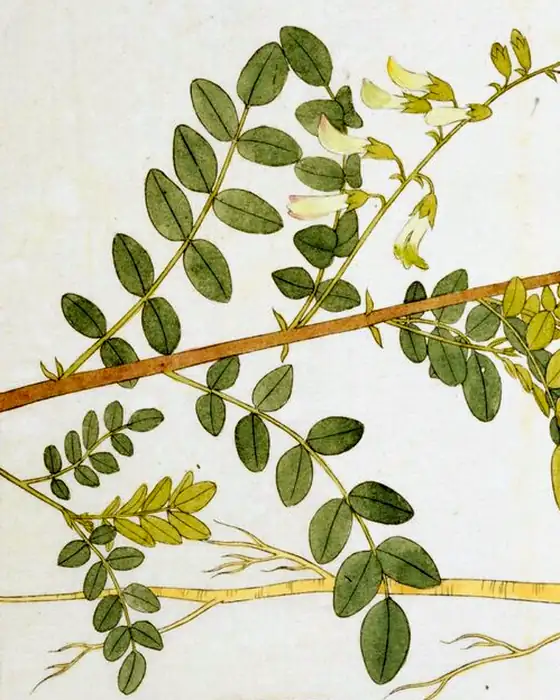
A sprawling perennial legume with feathery leaflets and pale yellow pea flowers, grown for a long, fibrous root with a yellow core. Astragalus is a tonic, taken daily for weeks to strengthen immune defenses and stamina before illness arrives, and to rebuild after it.
- Energetics
- Warming, moistening, toning
- Taste
- Sweet, mild, faintly salty
- Family
- Fabaceae (pea family)
- Parts used
- Root