← All plants
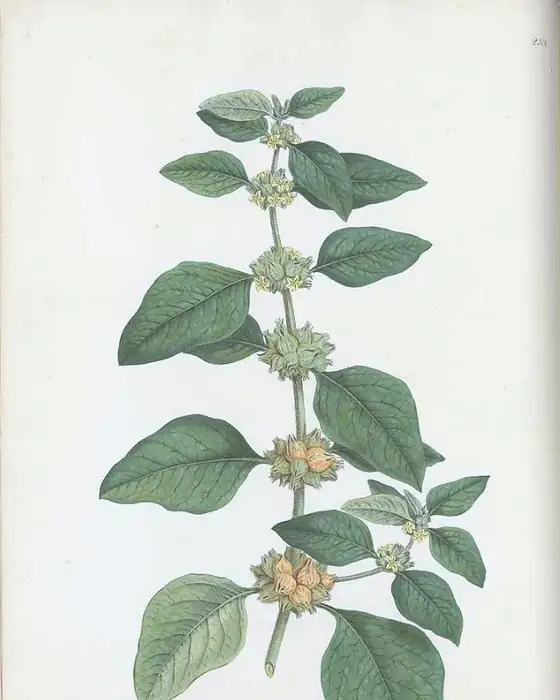
Archival plate of Withania somnifera, from Sibthorp and Smith, Flora Graeca, 1819
The Moss Herbal Database
Withania somnifera
Fam. Solanaceae
Parts: Root
Plate: Sibthorp and Smith, Flora Graeca, 1819 ↗

Ashwagandha

Withania somnifera
Also: Winter cherry, Indian ginseng
WarmingDryingRelaxing

Rebuilds a body run down by long stress.

A small, gray-leaved shrub of dry ground whose orange-red berries ripen inside papery husks, like a tomatillo's. Ashwagandha root helps a depleted, stressed body recover, steadies sleep and daytime energy, and nourishes as it calms.

Energetics
Warming, drying, relaxing
Taste
Bitter, sweet, pungent
Family
Solanaceae (nightshade family)
Parts used
Root

Medicinal uses 7

The tags sort the evidence behind each use by kind. Members are able to tap a condition to compare every herb for it.

Traditional useLab and mechanism studiesClinical studies
  • Helps the body recover from long stress and depletion; several trials found lower stress scores and cortisol.

  • Eases chronic stress and anxious tension over weeks of daily use.

  • Improves sleep quality over time without acting as a sedative; trials support it.

  • Supports immune balance in a body worn down by stress.

  • Improved memory and attention in small clinical trials.

  • In clinical trials it improved arousal and satisfaction in women and raised testosterone and sperm counts in men.

  • Brought thyroid hormone levels toward normal in a trial of people with subclinical hypothyroidism.

Preparations

Root powder in warm milk, honey paste, tincture, and restoring blends.

Members are able to see the amounts, ratios, and methods for each preparation, search by condition, and match herbs to your constitution.

Cautions

  • A nightshade; people allergic to tomatoes, peppers, or potatoes can react to it.
  • Can raise thyroid hormone levels; talk with your prescriber if you have a thyroid condition or take thyroid medication.
  • Rare liver problems have been reported with ashwagandha supplements; stop it if you notice dark urine or yellowing skin.

Medication interactions

Practitioner Practitioners are able to see the 6 types of medicine flagged for ashwagandha, each with the mechanism and what to do. The plain-language cautions above stay open to everyone.

Pregnancy & breastfeeding

PregnancyAvoid

Ayurveda traditionally keeps ashwagandha out of pregnancy, it caused pregnancy loss in animal studies, and it acts on hormones, so it waits until after birth.

BreastfeedingAvoid

Safety research while nursing is lacking and its hormonal effects could reach a baby. It waits until after weaning.

Practitioner Practitioners are able to see the full entry from the Moss Herbalism Pregnancy Safety Database: trimester ratings, uterine and placental action, breastfeeding and nursing-baby effects, chemistry, traditional use, studies, and sources.

Folklore

The Sanskrit name means smell of the horse, for the earthy odor of the fresh root and the strength it was said to give. Somnifera means sleep-bringing. Ayurveda has used it for some three thousand years as a rasayana, a medicine for long life, and the classic Charaka Samhita describes it.

How to grow

A tender perennial grown as an annual in cooler climates. Sow in warm soil in full sun; it tolerates poor, dry ground. Dig the roots in autumn after the berries ripen, then wash and dry them.

In the wild

Dry, open ground across India, the Middle East, North Africa, and the Mediterranean.

Every herb here fits some people better than others. Find out which ones fit you.