← All plants
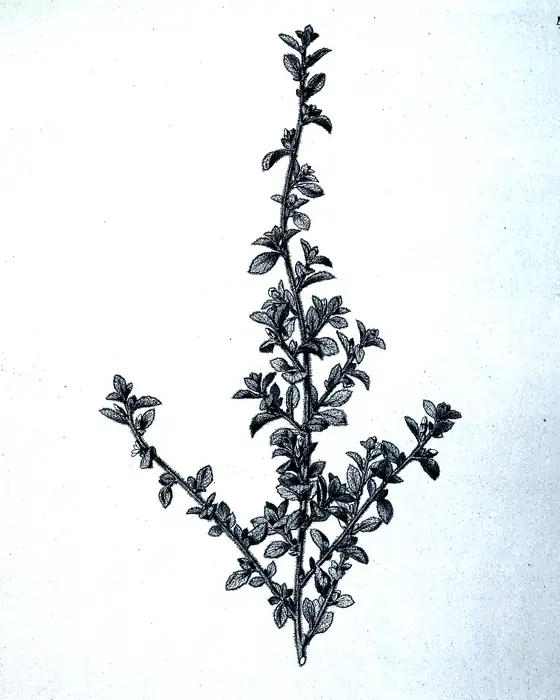
Archival plate of Turnera diffusa, from Urban, in Martius, Flora Brasiliensis, 1883, plate 44
The Moss Herbal Database
Turnera diffusa
Fam. Passifloraceae
Parts: Leaves and flowering tops
Plate: Urban, in Martius, Flora Brasiliensis, 1883, plate 44 ↗

Damiana

Turnera diffusa
Also: Mexican damiana, Hierba de la pastora, Turnera aphrodisiaca
WarmingDryingTonifying

Warms the pelvis, moves blood, and lifts a heavy mood.

A small shrub of dry, rocky hillsides with narrow, toothed, aromatic leaves and small yellow flowers. Damiana warms and moves blood, out to the skin and down into the pelvis, restores tired nerves, and lifts heavy, sluggish moods.

Energetics
Warming, drying, toning
Taste
Aromatic, pungent, bitter
Family
Passifloraceae (passionflower family)
Parts used
Leaves and flowering tops

Medicinal uses 5

The tags sort the evidence behind each use by kind. Members are able to tap a condition to compare every herb for it.

Traditional useLab and mechanism studiesClinical studies
  • Brings blood and warmth into the pelvis and wakes up sensation; Mexico's best-known aphrodisiac, with animal studies behind it.

  • Lifts heavy, low moods and gets a stalled mind moving.

  • A restorative for weakness and nervous exhaustion.

  • Moves circulation out to cold hands and feet.

  • A mild urinary antiseptic, best as a supporting herb alongside stronger ones.

Preparations

Leaf tea, tincture, a honeyed brandy cordial, and warming blends.

Members are able to see the amounts, ratios, and methods for each preparation, search by condition, and match herbs to your constitution.

Cautions

  • Well tolerated at tea and tincture doses.
  • It may lower blood sugar; watch readings if you take diabetes medicine.

Medication interactions

Practitioner Practitioners are able to see the 2 types of medicine flagged for damiana, each with the mechanism and what to do. The plain-language cautions above stay open to everyone.

Pregnancy & breastfeeding

PregnancyAvoid

Damiana is traditionally counted among the herbs that bring on menstruation, so it waits until after pregnancy.

BreastfeedingAsk your practitioner

Damiana has not been studied in nursing; check with your practitioner first.

Folklore

Linnaeus named the genus for William Turner, the sixteenth-century naturalist often called the father of English botany. Spanish missionaries in Mexico recorded people drinking damiana with sugar as a love tonic, and one nineteenth-century botanist went so far as to name a form of it Turnera aphrodisiaca. In Baja California it is bottled as a sweet liqueur, sold in a glass figure of a woman and stirred into local margaritas.

How to grow

A small, frost-tender shrub for full sun and sandy, fast-draining soil, happy in heat and drought. In cold climates, grow it in a pot and bring it indoors for winter. Pick leaves and flowering tips through the warm months.

In the wild

Dry, rocky slopes and desert scrub from southern Texas and Baja California through Mexico, Central America, and the Caribbean into South America.

Every herb here fits some people better than others. Find out which ones fit you.