← All plants
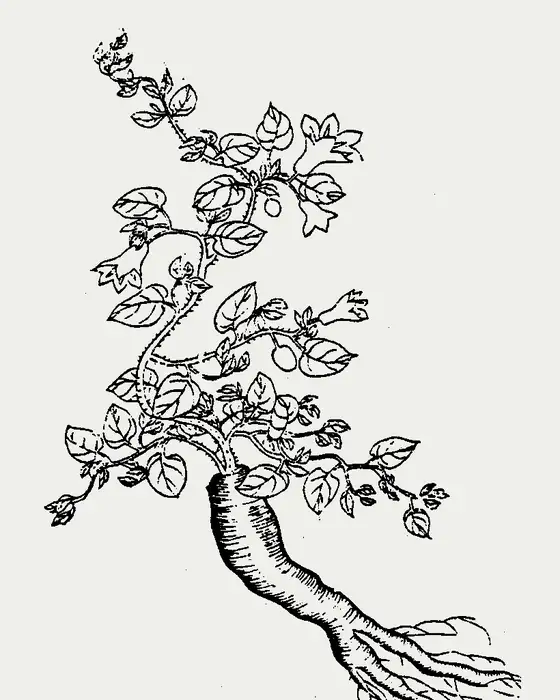
Archival plate of Codonopsis pilosula, from Wu Qijun, Zhiwu Mingshi Tukao, 1848
The Moss Herbal Database
Codonopsis pilosula
Fam. Campanulaceae
Parts: Root
Plate: Wu Qijun, Zhiwu Mingshi Tukao, 1848 ↗

Codonopsis

Codonopsis pilosula
Also: Dang shen, Poor man's ginseng, Bonnet bellflower
Neutral temperatureMoisteningTonifying

A gentle, sweet tonic for a worn-out body and a weak appetite.

A twining vine with pale green bell flowers veined in purple, grown for a long, sweet, creamy root. Codonopsis is a mild tonic in the ginseng line, gentle enough for daily use, that rebuilds energy, appetite, and digestion in people worn down by illness or long strain.

Energetics
Neutral, moistening, toning
Taste
Sweet
Family
Campanulaceae (bellflower family)
Parts used
Root

Medicinal uses 4

The tags sort the evidence behind each use by kind. Members are able to tap a condition to compare every herb for it.

Traditional useLab and mechanism studiesClinical studies

Preparations

Root decoction, soups and congee, tincture, and daily tonic blends.

Members are able to see the amounts, ratios, and methods for each preparation, search by condition, and match herbs to your constitution.

Cautions

  • Gentle and suited to long use.
  • Chinese medicine sets tonics aside during an acute infection; take it up again in recovery.

Medication interactions

Practitioner Practitioners are able to see the 2 types of medicine flagged for codonopsis, each with the mechanism and what to do. The plain-language cautions above stay open to everyone.

Pregnancy & breastfeeding

PregnancyAsk your practitioner

Codonopsis is gentler than ginseng and appears in some Chinese pregnancy formulas under specialist care, but Western pregnancy data are lacking and high doses may act on the uterus. Use it only with your practitioner's guidance.

BreastfeedingAsk your practitioner

Nursing data are limited; use it only with your practitioner's guidance.

Practitioner Practitioners are able to see the full entry from the Moss Herbalism Pregnancy Safety Database: trimester ratings, uterine and placental action, breastfeeding and nursing-baby effects, chemistry, traditional use, studies, and sources.

Folklore

Dang shen means the ginseng of Shangdang, an old prefecture in Shanxi province famous for the root. Chinese doctors have long turned to it as a cheaper, gentler stand-in for ginseng, which earned it the name poor man's ginseng. Codonopsis is Greek for bell-like, after its flowers.

How to grow

A hardy perennial vine for part shade and rich, moist, well-drained soil, climbing six feet or more on a trellis or through shrubs. Dig the roots in autumn after two or three years.

In the wild

Forest edges, thickets, and mountain slopes of northern China, Korea, and the Russian Far East.

Every herb here fits some people better than others. Find out which ones fit you.