Moss Herbalism

The Herbal Library

A clinical herbalist's materia medica, searchable by plant and by condition.

Access
Log in

Photo: Janna, Mellow Nectar Co.

← All plants
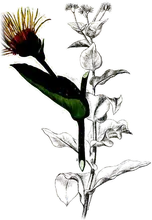
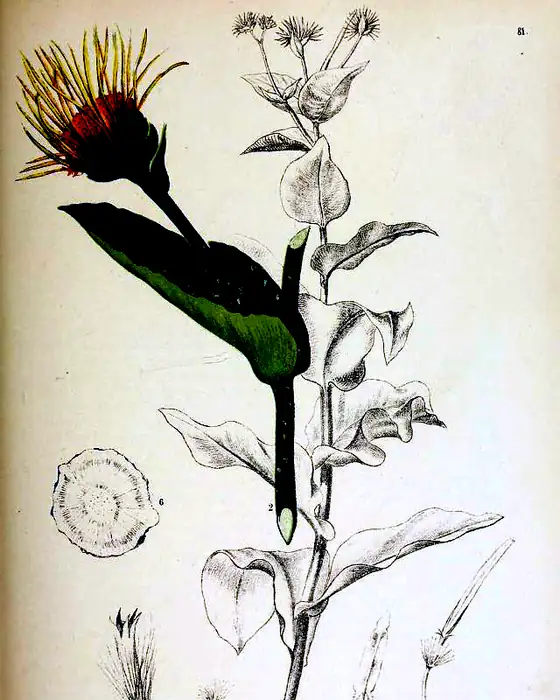
Archival plate of Inula helenium, from Millspaugh, American Medicinal Plants, 1887
The Herbal Library
Inula helenium
Fam. Asteraceae
Parts: Root
Plate: Millspaugh, American Medicinal Plants, 1887 ↗

Elecampane

Inula helenium
Also: Elfwort, Horseheal, Scabwort
WarmingDryingTonifying

Clears thick, stuck mucus from deep in the lungs.

A towering perennial, often taller than a person, with huge downy leaves and shaggy yellow sunflowers; its thick root smells of violets and camphor. Elecampane warms and strengthens the lungs, brings up heavy, stubborn phlegm, and fights the infections that settle in for weeks.

Energetics
Warming, drying, toning
Taste
Pungent, bitter, faintly sweet
Family
Asteraceae (daisy family)
Parts used
Root

Medicinal uses 5

The tags sort the evidence behind each use by kind. Members are able to tap a condition to compare every herb for it.

Traditional useLab and mechanism studiesClinical studies
  • Brings up thick, heavy phlegm settled deep in the chest, especially in a cough that lingers after a cold.

  • Its antimicrobial compounds help clear chest infections that won't resolve; lab studies show strong activity against staph, MRSA included.

  • Strengthens a body worn down by repeated chest infections.

  • A warming bitter that sharpens appetite and digestion in people weakened by long illness.

  • Traditional for tonsils and throat infections, especially in children.

Preparations

Simmered root, tincture, honey syrup, and chest blends.

Members

The doses and blends for elecampane

Members see the amounts, ratios and methods for every preparation of every plant, and match herbs to their constitution.

Membership is coming soon.

Cautions

  • People allergic to ragweed, daisies, or chamomile can react to it.
  • Large doses can cause nausea and loose stools.
  • Shortness of breath, chest pain, or a fever that lasts more than a few days needs a medical look.

Medication interactions

Practitioner

2 types of medicine flagged for elecampane

Each one with what can happen, why, what to do, and the sources.

Practitioner membership is coming soon.

Pregnancy & breastfeeding

PregnancyAvoid

Elecampane can bring on menstruation, and its lactones cross the placenta.

BreastfeedingShort courses

Its lactones pass into milk and are a classic cause of daisy-family allergy.

Practitioner

The full Pregnancy Safety Database entry

Trimester ratings, uterine and placental action, nursing-baby effects, chemistry, studies and sources.

Practitioner membership is coming soon.

Folklore

Helenium honors Helen of Troy, and one legend says the plant sprang where her tears fell. Pliny wrote that the empress Julia Augusta ate a little preserved elecampane root every day for her digestion. Londoners sucked on elecampane candy for coughs into the twentieth century. In 1804 the chemist Valentin Rose isolated a new starch from the root, and it was named inulin after the plant's genus.

How to grow

A hardy, long-lived perennial for full sun and rich, moist soil. Give it room; one plant can reach six to eight feet. Dig roots from plants two or three years old in autumn, then chop them while fresh, since they dry rock hard.

In the wild

Native to Europe and western Asia and naturalized along roadsides, old farmsteads, and damp field edges in eastern North America.