Published
Are you among the many whose excitement of the coming of spring is dampened by seasonal allergies? Sneezing, itching, watery eyes, and a host of other symptoms can turn what should be a beautiful time of year into months of misery. However, spring brings with it a beautiful solution: the humble nettle. Yes, the same plant that may have stung you on a summer hike has remarkable benefits for combating allergies. Nettles can be a game-changer for those seeking natural relief from allergy symptoms.
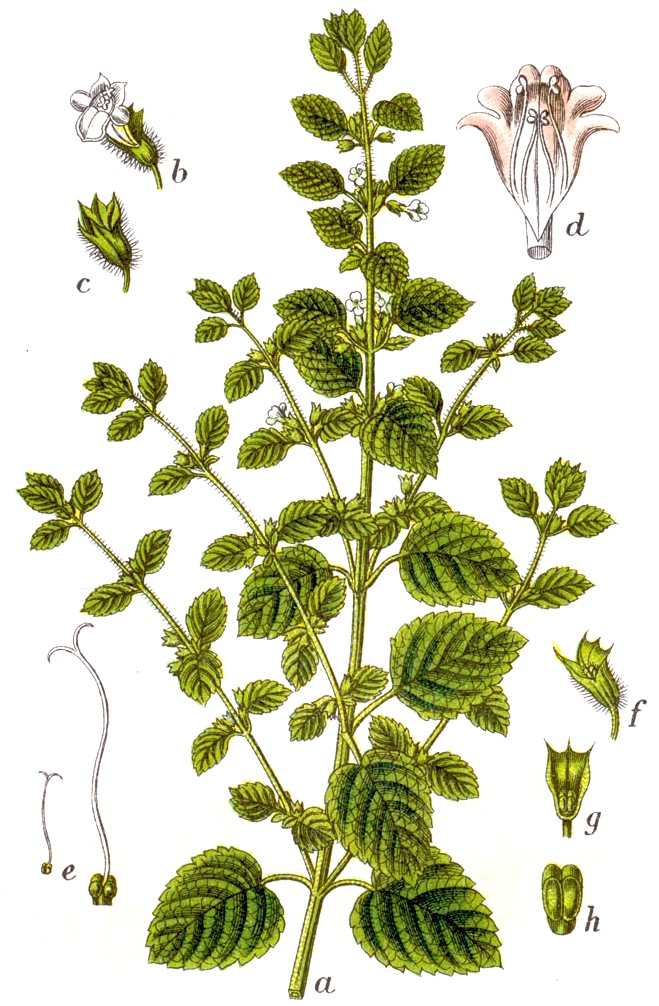
Nettles (Urtica dioica) have a bad wrap due to their stinging hairs, which can cause temporary discomfort upon contact with the skin. Yet, this remarkable plant’s reputation has been kept in use for centuries in herbal medicine. It’s highly nutritious, rich in vitamins A, C, and K, as well as minerals like iron, magnesium, and potassium.
How Nettles Can Help with Allergies
Nettles have been studied for their potential to alleviate allergy symptoms, thanks to their ability to act as a natural antihistamine. Histamine is a compound in the body that triggers allergy symptoms like sneezing, itching, and swelling. Nettles contain compounds that may inhibit the body’s production of histamine, providing relief from these uncomfortable symptoms.
Anti-inflammatory Properties
Nettles possess anti-inflammatory properties, which can help reduce the swelling and discomfort associated with allergic reactions. This can be particularly beneficial for those suffering from nasal congestion, one of the most common and frustrating allergy symptoms.
Histamine Inhibition
Nettles can also inhibit the action of histamine, offering a natural alternative to over-the-counter allergy medications. By mitigating the body’s histamine response, nettles can help manage symptoms like sneezing, runny nose, and itchy eyes.
Immune System Support
Beyond their direct impact on allergy symptoms, nettles support the immune system, reducing the frequency and severity of allergic reactions. This immune-boosting property, coupled with their nutritional content, makes nettles the perfect herb to introduce into bodies that have often been lacking in fresh plant nutrients over the long winter.
Incorporating Nettles for Allergy Management
Nettle Tea: One of the simplest ways to enjoy the benefits of nettles is through a soothing cup of nettle tea. Steep dried nettle leaves in hot water for 15 minutes up to many hours. The longer you steep the more minerals you will get out. This can be particularly comforting during allergy season.
Nettle Supplements: For a more straightforward approach, you can take nettles as a supplement either in capsule form or in a liquid extract like a tincture. It’s important to choose a high-quality product and be well informed by a clinical herbalist or healthcare provider on the dosing and frequency it takes to get allergy relief.
Dietary Inclusion: Young nettle leaves are edible and can be a nutritious addition to your diet. They can be cooked similarly to spinach and added to soups, stews, or sautéed as a side dish. Cooking nettles neutralizes their sting, making them safe to eat. It’s best to harvest very young nettles as when they get older their leaves can become hard on the liver.
Work Together One-on-One
I build custom wellness plans and herbal formulas in 1:1 consults – I look at your health history and we work together to build foundational wellness.