Published
Lemon balm tea is one of the plants people ask me about most often for stress. As a clinical herbalist, I turn to Melissa officinalis often. It is a a gentle, lemon-scented mint family plant with a long history in home and apothecary use for restlessness, low mood days, and trouble winding down.
This post shares how I think about lemon balm tea in practice, how to brew a strong cup, what early research has looked at, and when a cup of tea is not enough on its own. This is education, not medical advice for your situation.

Melissa officinalis, Kohler’s Medizinal-Pflanzen
A familiar nervine
In older European herbals, lemon balm is listed for melancholy, restless sleep, and worry especially when it is held in the chest. The species name officinalis just means that it as a plant that was used in the medieval official apothecaries.
I group lemon balm with the nervine herbs, plants traditionally used to support steadiness during stress rather than force sleep or sedate people. People indicate it specifically for tension accompanied with gut tightness or spiraling thoughts. I have written about lemon balm in birth and parenting in the herbs I actually use as a parent article.
What early research has looked at
Research on lemon balm is early and mostly small trials using extracts or lemon balm added to drinks, not home tea alone. A 2021 systematic review of clinical trials reported improved anxiety and depression scores with lemon balm compared with placebo across the pooled studies, with no serious side effects reported in that data set. Abstract on PubMed (Ghazizadeh et al., Phytotherapy Research, 2021).
A later review walks through trials in foods, teas, and extracts and describes lemon balm as a promising calming plant while calling for larger trials. Full text: PMC11510126. Cleveland Clinic also lists stress, sleep, and digestive comfort among traditional reasons people brew it (Cleveland Clinic Health Essentials).
How to brew a strong cup


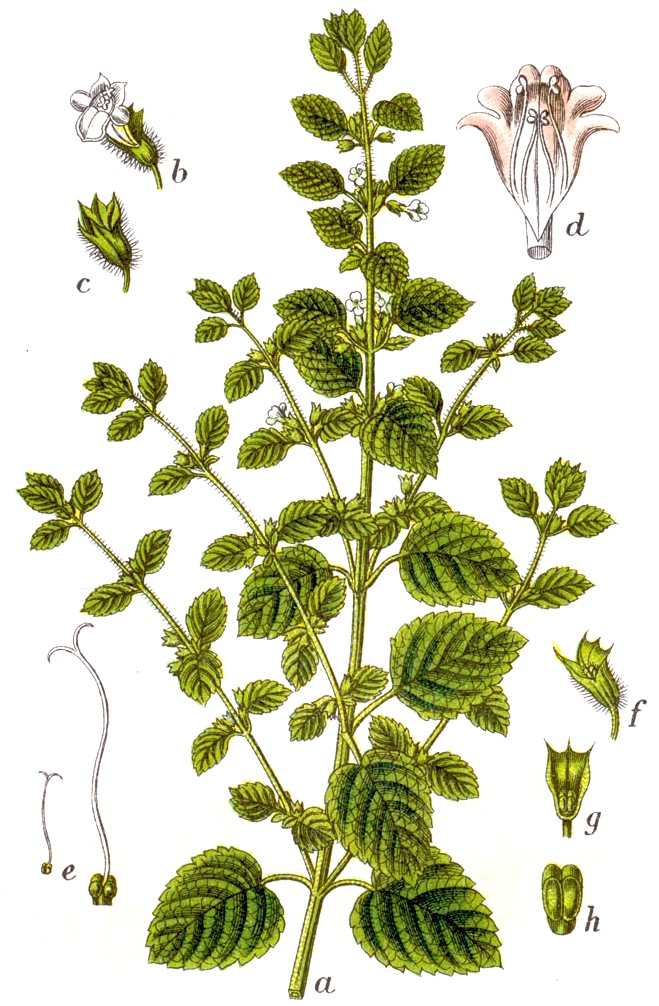
Melissa officinalis, Sturm’s Deutschlands Flora.
Simple lemon balm tea
Parts
- One to two teaspoons dried lemon balm leaf per eight ounces just-boiled water, or a small handful of fresh leaf
- Optional: thin slice of lemon peel, some chamomile or skullcap if those already suit you
Method
- Put the leaf in a mug or teapot.
- Pour water just off the boil over the herb.
- Cover and steep ten to fifteen minutes. Covering keeps the aroma in the cup.
- Strain and drink warm in the late afternoon or evening.
For more steeping basics, see how to steep medicinal herbs.
Fresh leaf holds more volatile oils and is a bright lemony taste although dried is wonderful too. If you grow it, harvest before full flower and dry out of direct sun.
Tincture is wonderful for people who need something portable or dislike drinking tea. In consults I match the form to daily life.
When tea fits, and when to get support
Tea is a reasonable home ritual when sleep is mostly intact, stress is situational, and you can brew daily for two to four weeks and notice how evenings feel.
Schedule a one-on-one consult if your anxiety comes with medications, pregnancy or breastfeeding, or if your nervous system is just worn thin over years. A consult is a full health history, a custom formula written in parts, and a written plan shaped around your life. Details and booking are on the schedule page.
Lemon balm often appears in my formulas but a consult allows for a more complex tailored formula that fits your full life’s picture.
A note on safety
Lemon balm tea in food amounts is traditionally considered gentle. Talk with your provider before strong extracts or long daily use if you have a thyroid condition or take sedatives, thyroid medication, or multiple nervous system active drugs. Get medical care right away for severe anxiety, suicidal thinking, or symptoms that escalate.
Where lemon balm sits among nervines
Some people do better with slow restorative plants like milky oat tops over months. Some prefer skullcap in the evening for a louder mind. Lemon balm often sits between, bright and digestively friendly, suited to worry with a physical edge.
For the longer story of how plants like this moved through texts and shops, see a history of herbalism and the history of the apothecary.
Common questions
How soon might I notice anything?
Some people enjoy the ritual the first evening. A fair trial is daily tea for one to two weeks. If a month of well brewed tea changes nothing, change the plan – we have stronger herbs.
Can I drink it daily?
Daily tea at kitchen strength is common but should be looked at on a case by case basis – especially with thyroid history.
Is it for pregnancy?
Lemon balm has a long folk history in pregnancy and postpartum. This is another situation where I like to talk to folks and get a real clinical picture so I can confidently recommend safe pregnancy blends. Trimester, medications, and the full picture still matter. A consult intake is a better place than a blog post to sort that out but I don’t want you to feel like there are no herbal options during pregnancy. We have lots of safe, gentle, supports to help you through this beautiful period.
Tea or tincture?
Tea for ritual and mild daily support. Tincture for portable dosing. Many people use both at different times of day.
I build custom wellness plans and herbal formulas in 1:1 consults. I look at your health history and we work together to build foundational wellness.