Published
History of the Apothecary
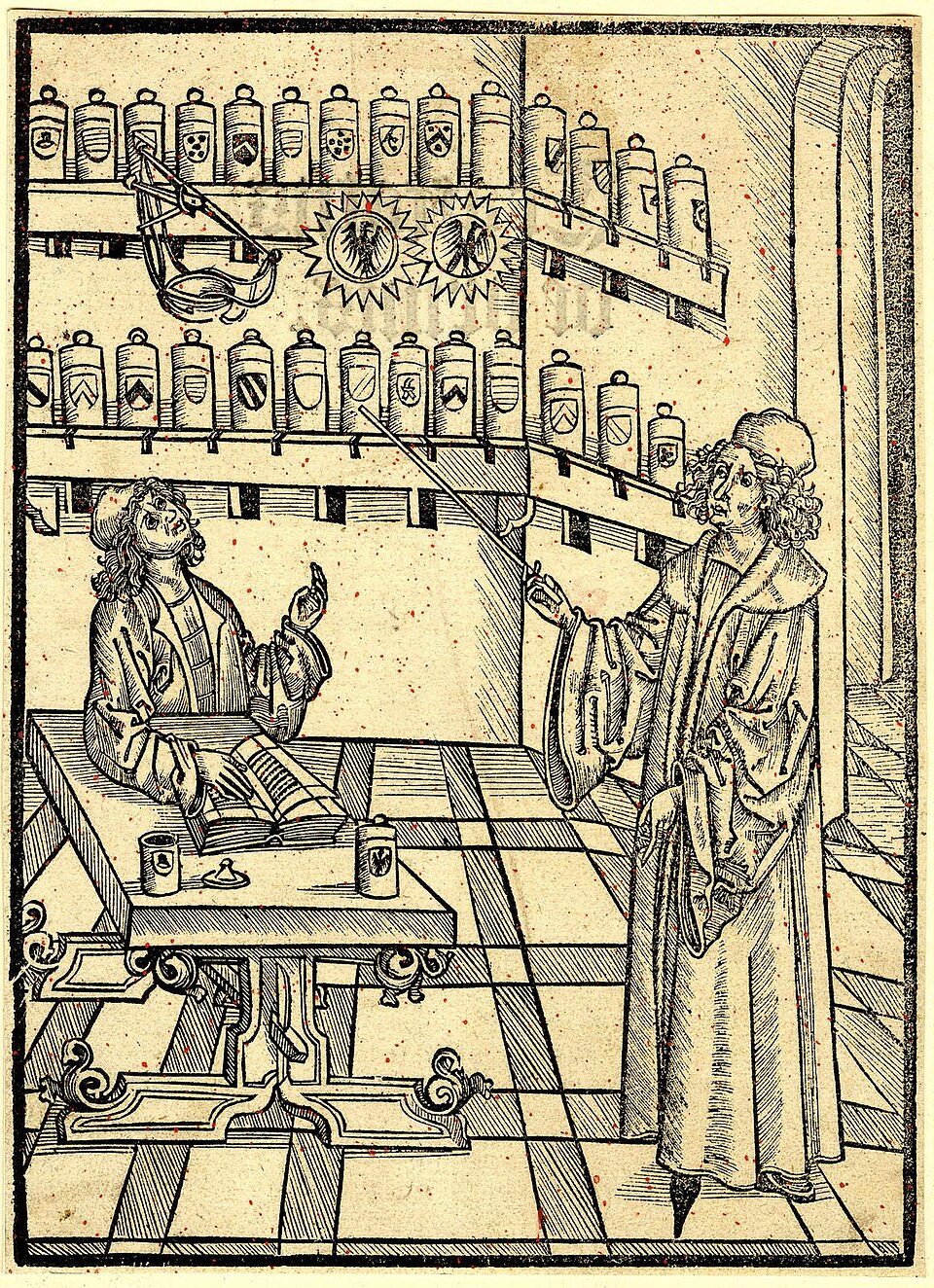
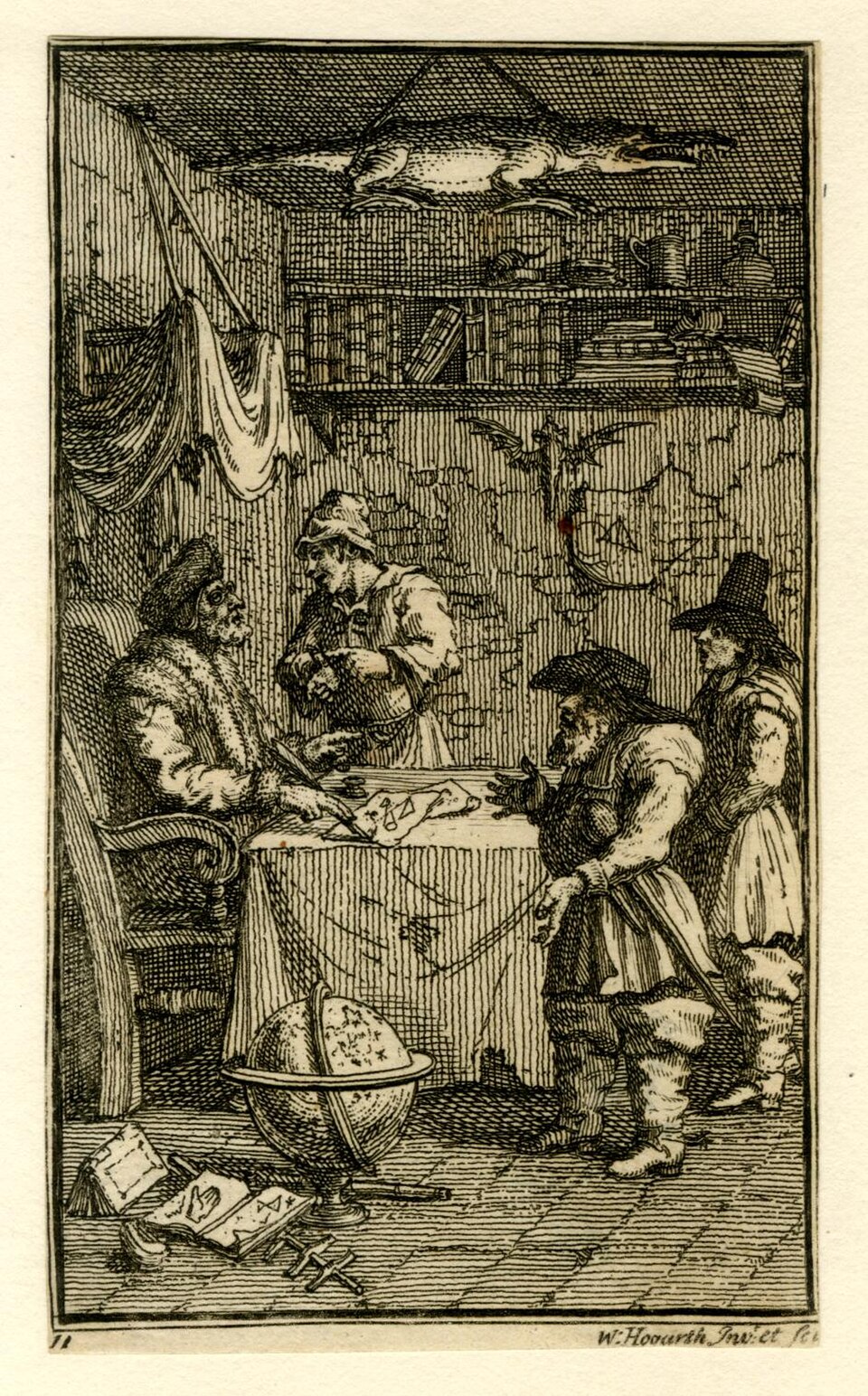
The history of the apothecary is the history of how plant medicine moved from the village healer into a shop with shelves, scales, and trade routes. For the wider timeline of plant medicine, see a history of herbalism. In many 17th-century apothecaries, a stuffed crocodile or alligator hung from the ceiling over the counter. It was advertisement – almost equivalent to the barbers pole, representative of the type of shop this was, and also functioned as a credential for the shop. Many exotic animals and spices were part of the shop’s inventory, so owning a real crocodile specimen showed the shop could source exotic, expensive goods from far away.
First: The village healer
Almost every culture had a healer and medicine maker role. The Sumerian physician-priests recorded plant preparations on clay tablets, the Egyptian healers who wrote the Ebers Papyrus, so many indigenous medicine men, shaman, wise women, healers, the Ayurvedic vaidya, the Chinese herbalist. They all used different tools, different plants, but they all served their communities as healers.
We start to see more formalized records of these roles In medieval Europe – where we called these people cunning woman or cunning man sometimes wise woman, or wise man, the names vary by region. Their knowledge was passed down through generations of families and apprentices typically through direct observation, sometimes if we’re lucky – preserved in rhymes and songs as not all of these people were literate. These people did not have a license – they really were operating on the reputation and results they could produce for their communities. At this time it was often women in these roles, and we sometimes see recipe manuscripts passed down through families showing women managing most of the practical plant knowledge in circulation (note that food is often deeply intertwined in traditional medicine).
Greek & Roman Healers
While village healing carried on locally we start to see a formal medical tradition being written down around the Mediterranean, and written tradition starts to shape professional medicine. Hippocrates, in the fifth and fourth centuries BC, moved medicine away from supernatural explanation and toward observation of the patient. Later, in the second century AD, the Greek physician Galen built a vast system on top of that foundation that would form the foundations for Western medicine until the 1800s.
Humoral theory led this – The body was understood to contain four humors: blood, phlegm, yellow bile, and black bile. Health was the balance of these four, and illness was an imbalance, too much or too little of one. This is why bloodletting made sense for so long, and why remedies were classified as heating, cooling, drying, or moistening. The point of a treatment was to push the body back toward balance. This logic was basically the operating system under all of the medicine of the time. When we see a remedy “against” a fever, this is an example of thinking in humors, trying to cool and dry a condition understood as hot and wet.
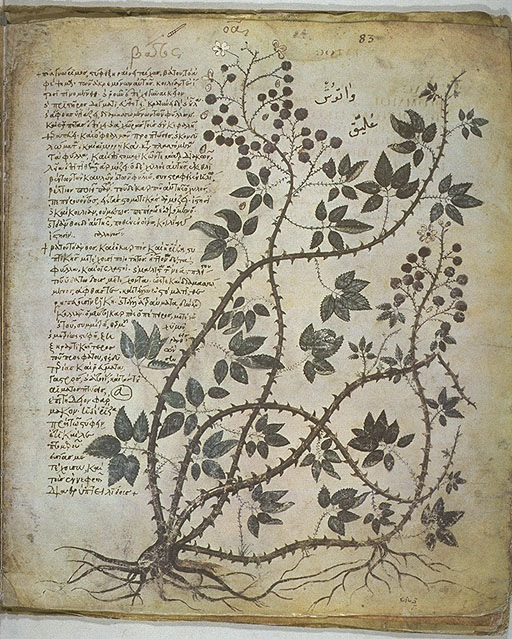
Around 70 AD, a Greek physician named Dioscorides compiled De Materia Medica, a systematic catalog of roughly six hundred plants and other substances and their medical uses. It was so thorough and so practical that it remained the most important pharmacological reference in both Europe and the Islamic world for over 1,500 years. Nearly every herbal written for the next millennium was, in some sense, a copy or commentary on Dioscorides.
The Monastery Gardens
When the Western Roman Empire collapsed, much of this written knowledge could easily have been lost in Europe. The monastery records kept much of this knowledge alive. Monks kept “physic gardens” and they copied the old Greek and Roman herbals by hand, generation after generation. The monastery infirmary was often the only place offering trained care for miles in any direction, and the infirmarer who ran it was, in practice, the closest thing a whole region had to a doctor.
The Islamic Golden Age
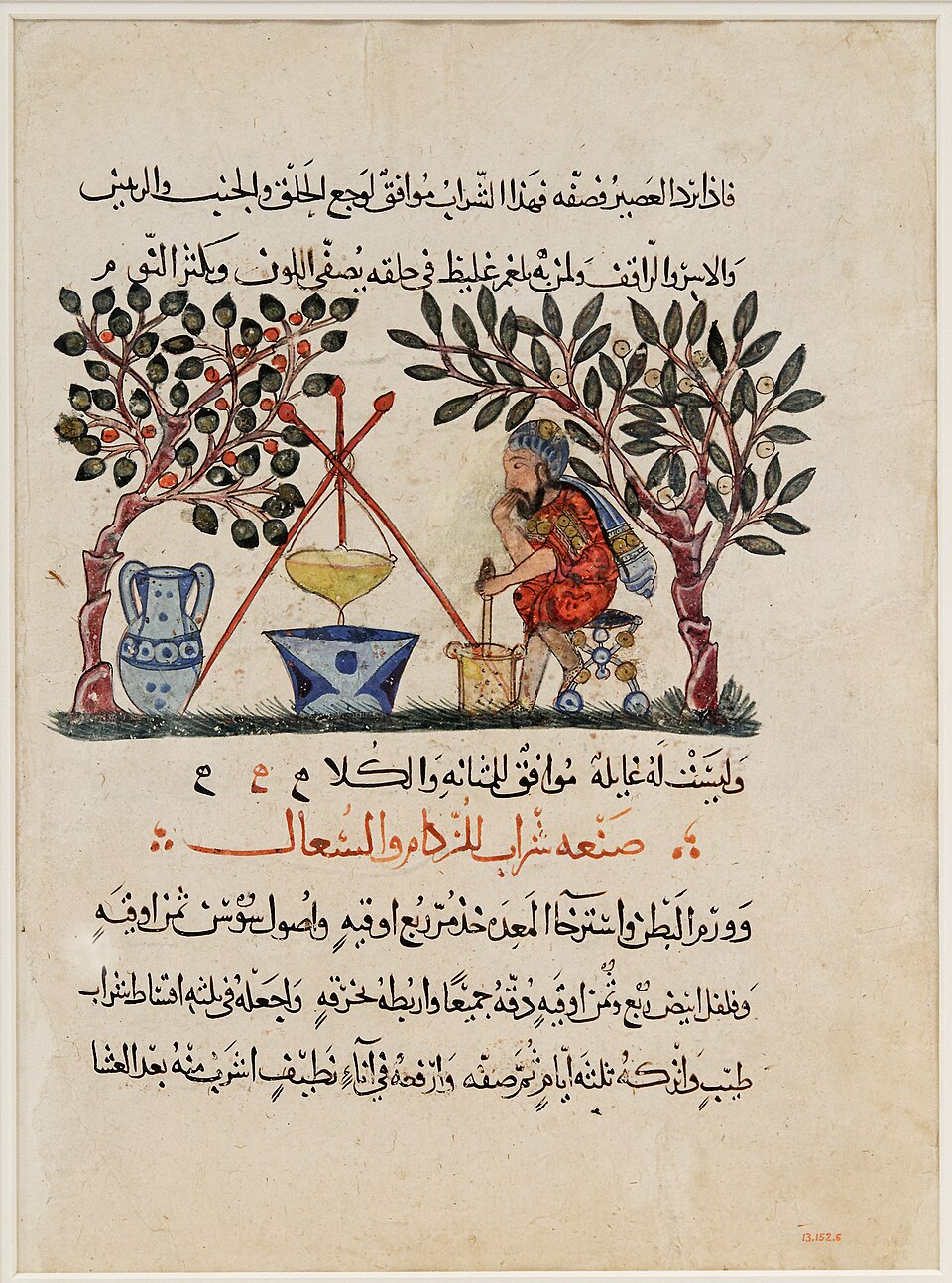
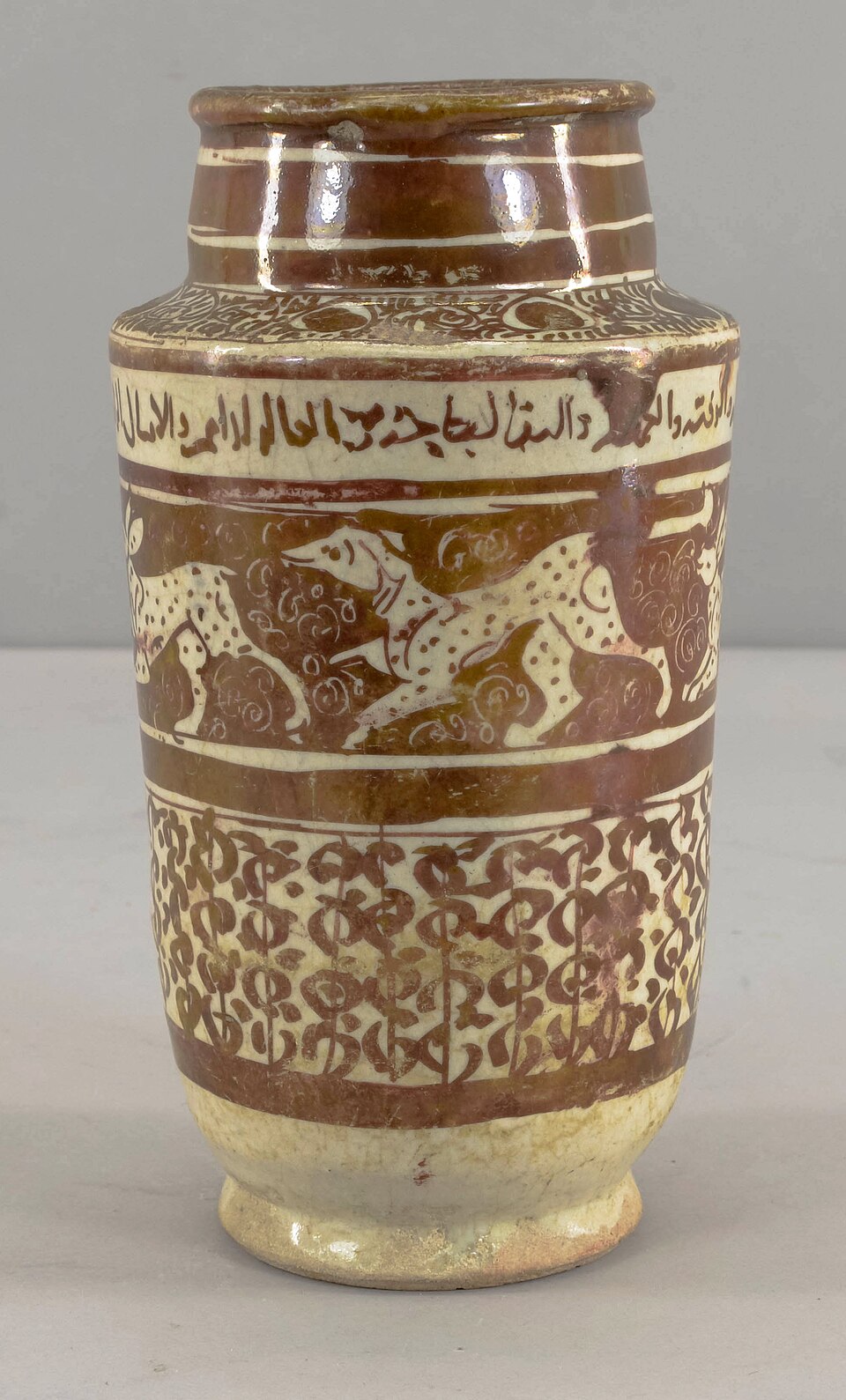
While European monks were carefully preserving old texts, the Islamic world was advancing the field and, crucially, inventing the institution of the apothecary. The first privately owned, government-regulated apothecary shops, places dedicated to preparing and selling drugs as a distinct profession, appeared in Baghdad around 754 AD. Centuries before anything comparable existed in Europe, these regulated trained apothecaries and medicine compounding began to appear in the Middle East.
The Persian physician Al-Razi, known in Latin as Rhazes, wrote extensively on medicine and chemistry in the ninth and tenth centuries and was an early describer of conditions like measles and smallpox. Ibn Sina, known as Avicenna, completed his Canon of Medicine around 1025, an encyclopedic synthesis of Greek, Roman, and Islamic medicine that became a standard teaching text in European universities and stayed in use there into the 1600s. For roughly six hundred years, European doctors were learning their trade from a book written in Persia.
The words alcohol, alkali, syrup, soda, and alchemy all came into European languages from Arabic. When European guilds later organized the regulated apothecary trade, they were inheriting and adapting much of the islamic model.
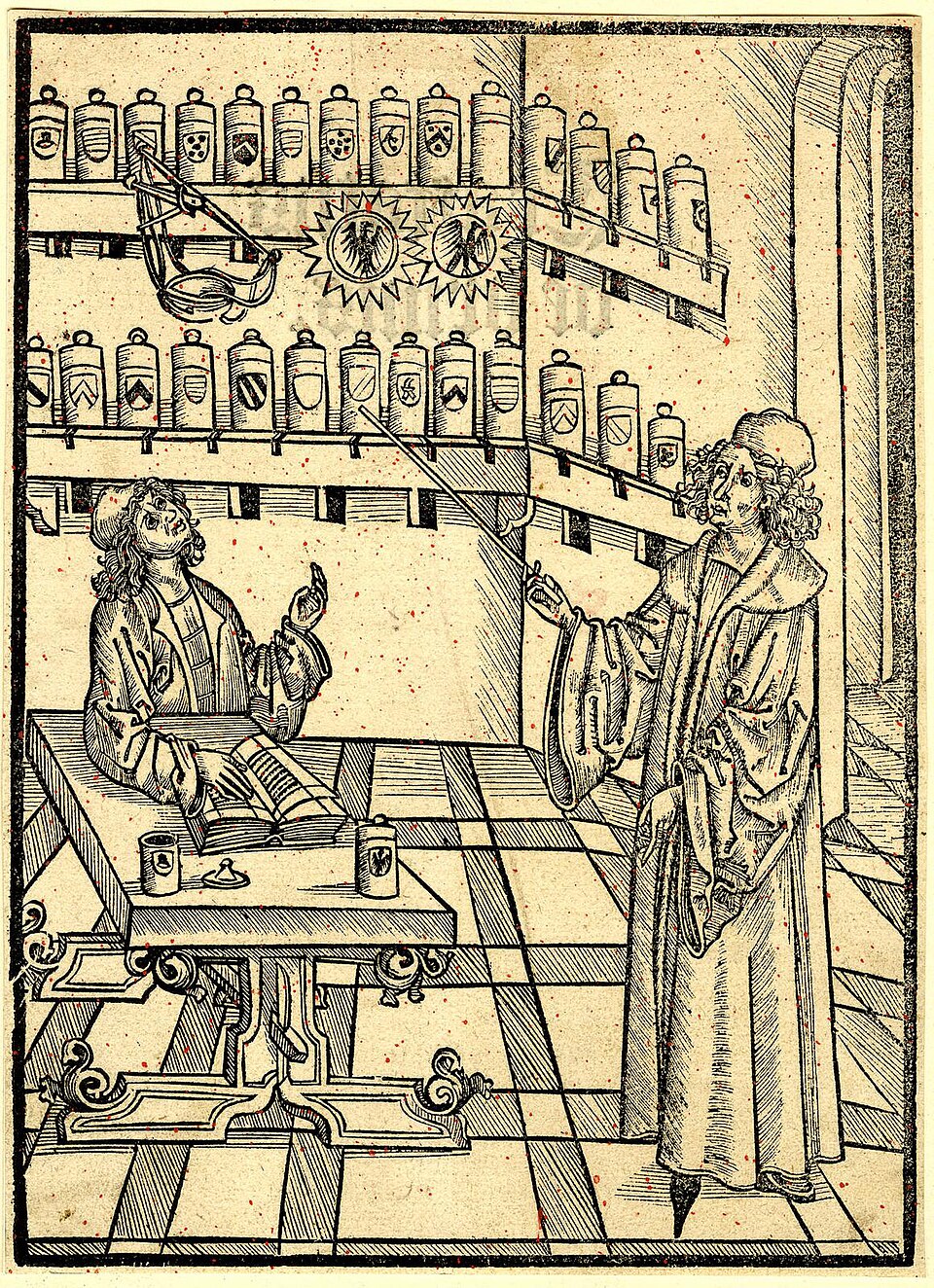
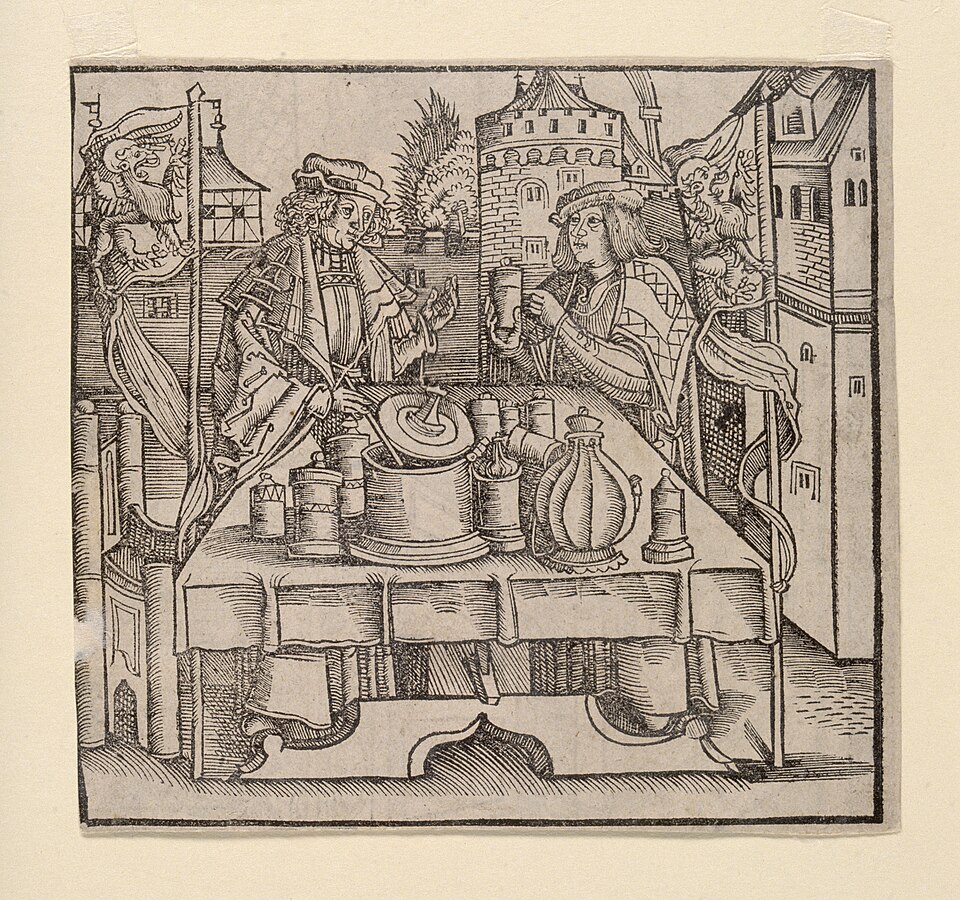
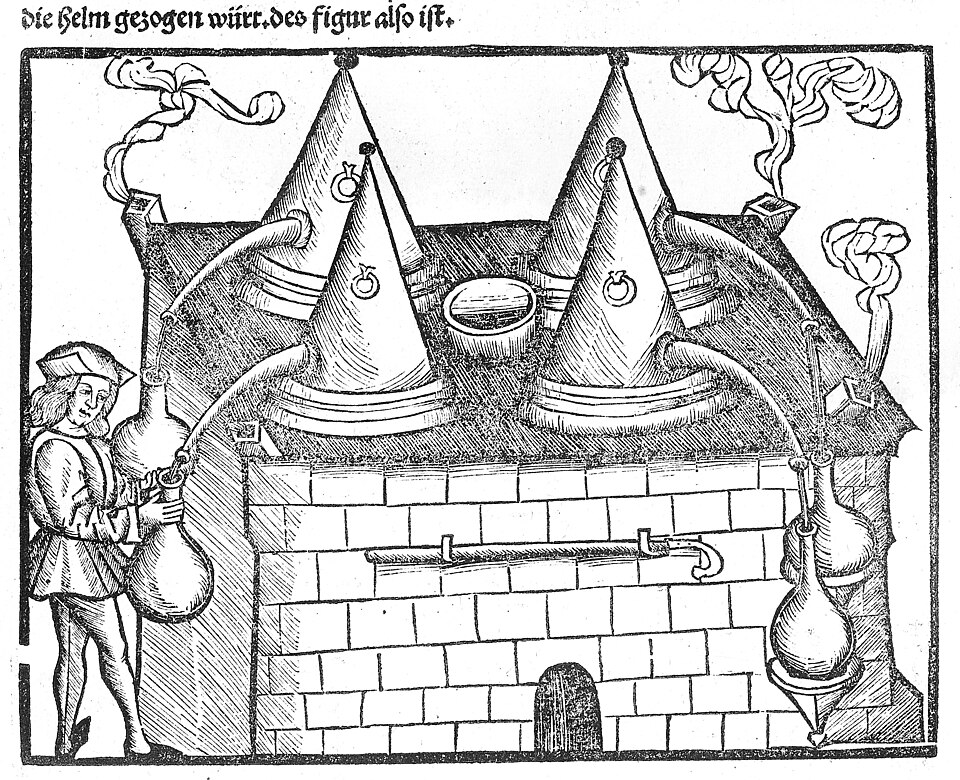
Regulated trade
By the High Middle Ages, the apothecary as a formal European profession was taking shape, and with it rules and regulation were established. Around 1240, the Holy Roman Emperor Frederick II issued a set of laws (part of the Constitutions of Melfi) that formally separated the apothecary from the physician. The physician diagnosed and prescribed; the apothecary prepared and dispensed. There were laws that regulated how drugs were to be prepared and what they could be priced at.
From there the trade organized itself through guilds, which controlled who was allowed to practice. Apprenticeships were long, often seven years or more, and the guild would come and inspect shops, test competence, and had the power to shut down anyone selling badly prepared or fraudulent goods. In London, the apothecaries were originally lumped in with the Grocers’ Company, since both dealt in imported goods, but in 1617 they broke away to form their own “Worshipful Society of Apothecaries.” Selling medicine now legally required proof that you could identify raw materials and compound them correctly.
Theriac
Theriac was the most complex and prestigious drug at the time. The recipe traced back to Andromachus, physician to the emperor Nero in the first century AD, who built on even older formulas. By the medieval and Renaissance period, theriac could contain up to seventy separate ingredients, including viper flesh and opium, and it was aged for months or even years before it was ready to be use.
It was prescribed against pretty much everything – poison, the plague, snakebite, it was a cure all. In Venice, a major center of production, the creation of this had to be carried out in public, with all the ingredients displayed and inspected beforehand so that buyers could trust the authenticity of what they were getting. It remained an official preparation in some European pharmacopoeias into the 19th century, roughly 1,800 years after original recipes.
Poisons
The apothecary was also the person in town who knew, prepared, and sold poisonous plants and substances. These were often dosed at small doses for medical preparations but the apothecary was often the source for intentional poisonings. Some apothecaries knew this and actively supplied the poisons such as Aqua tofana – while others may have turned a blind eye to request for legal, but poison preparations.
Trade Hubs
The apothecary shop was a trade hub, frequently the point in a town where the exotic and the imported goods arrived. Pepper, cinnamon, cloves, sugar, dyes, medicines and cosmetics were all sold there. Apothecaries were the end of long-distance trade routes, and they were also a place that stories of the rest of the world stemmed out of . To run these shops gave their owners not just financial power in a community but they also had lore and worldliness that the elite were interested in, on top of purchase of the goods there.
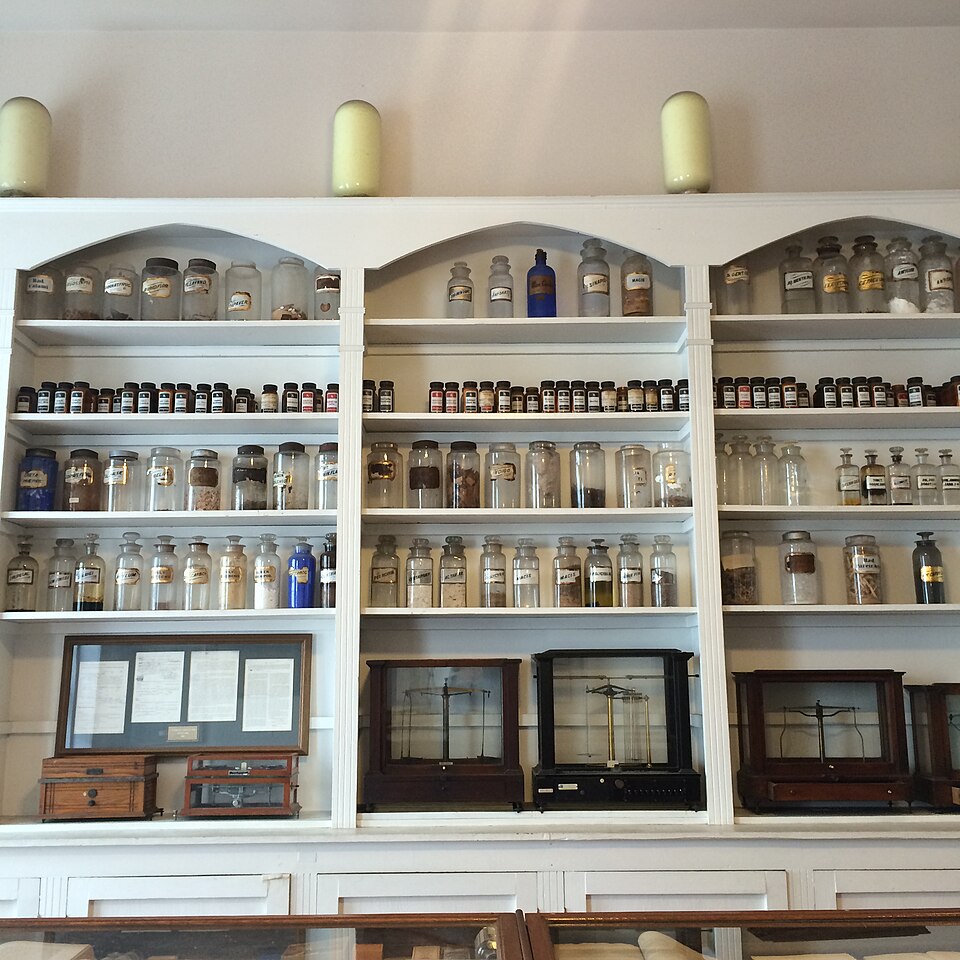
The Birth of the Pharmacy
In the 19th century chemists learned to isolate the single active compound out of a complex plant. Around 1804 to 1817, the German pharmacist Friedrich Sertürner extracted morphine from the opium poppy, the first time an active principle had been pulled out of a plant in pure form.
This changed everything about what medicine was. Instead of administering a whole plant with lots of variability, a physician could now give a measured, purified, repeatable dose of a known compound AND they could often patent these compounds, being the only one who could profit from this particular synthesized compound. This also required manufacturing at a scale that the apothecaries couldn’t match, and the pharmaceutical industry was formed. The apothecary, who had ground and mixed and aged his preparations by hand, was steadily replaced by the pharmacist, who dispensed standardized products made in factories.
What the apothecary left behind
The apothecary was functioning to source raw materials, identifying them correctly, compounding them with long practiced skill, and you had someone there at the counter that really truly knew the material. The isolated pharmaceuticals also don’t have the same natural synergy that plant medicines have, they are isolated, concentrated, and are very far from the hands of the people. While I greatly appreciate many of the advances we have made, and there is certainly a time and a place for these medicines – much of our every day needs can still be met by traditional plant medicines. Every stage of this long history is still present in the practice of herbalism today. The cunning folk’s intimate local plant knowledge through to the apothecary’s trained eye for the quality of the raw material survives in the work of anyone who still treats the whole plant as medicine.
The Herbarium
The Herbarium is a monthly print zine mailed to you – it covers plant history, botany, folklore, and herbalism