Published
Nervine herbs
Are not sedatives, personality changers, or quick fixes for stress. They support the nervous system’s capacity to regulate itself – they help restore tone, responsiveness, and resilience rather than forcing calm on a system that is already overwhelmed.
Historically – In early European herbal texts, nervines were often discussed alongside digestion, sleep, and mood rather than as a separate category. Practitioners like Culpeper and later Eclectic physicians recognized that chronic tension, grief, overwork, and mental exhaustion were real conditions that were expanding to other disease even though these were rarely named as their own conditions.
That pattern has not changed much.
People who benefit from nervine herbs are often not in crisis. They are capable, responsible, and pushing through. They may be parenting, running businesses, working in healthcare, managing chronic illness, or holding emotional labor for others. On paper, they are doing fine or have sort of untraceable root causes. In their bodies, the nervous system is carrying too much load for too. long.
Common signs that point toward nervine support include:
- Difficulty winding down at night
- Shallow or irregular sleep
- Digestive issues that worsen with stress
- Muscle tension that does not fully resolve with rest
- Increased irritability or emotional reactivity
- And a sense of being easily overstimulated.
Some people describe it as never fully landing in their body. Others say they cannot remember the last time they felt rested.
Nervine herbs can be taken in several forms, and how they are used matters as much as which plant is chosen.
- Teas tend to work best when taken consistently and slowly, allowing the body to associate the act of drinking with downshifting.
- Tinctures are often better for people who need flexibility or who benefit from smaller, more frequent doses throughout the day. Some nervines work well as nightly support. Others are better taken earlier to smooth reactivity without flattening energy.
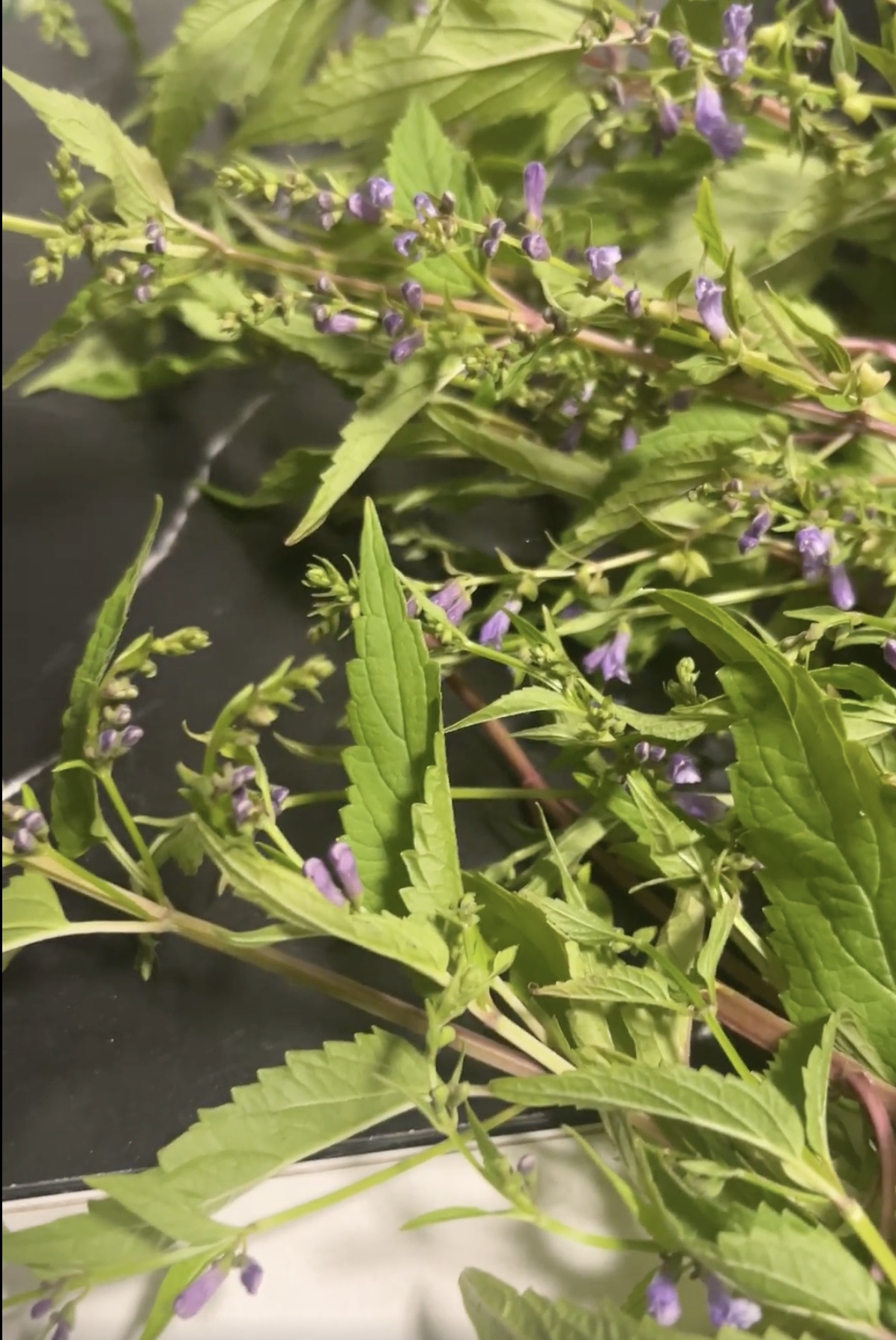
Two nervine herbs that illustrate different kinds of support are milky oat tops and skullcap (Scutellaria lateriflora)
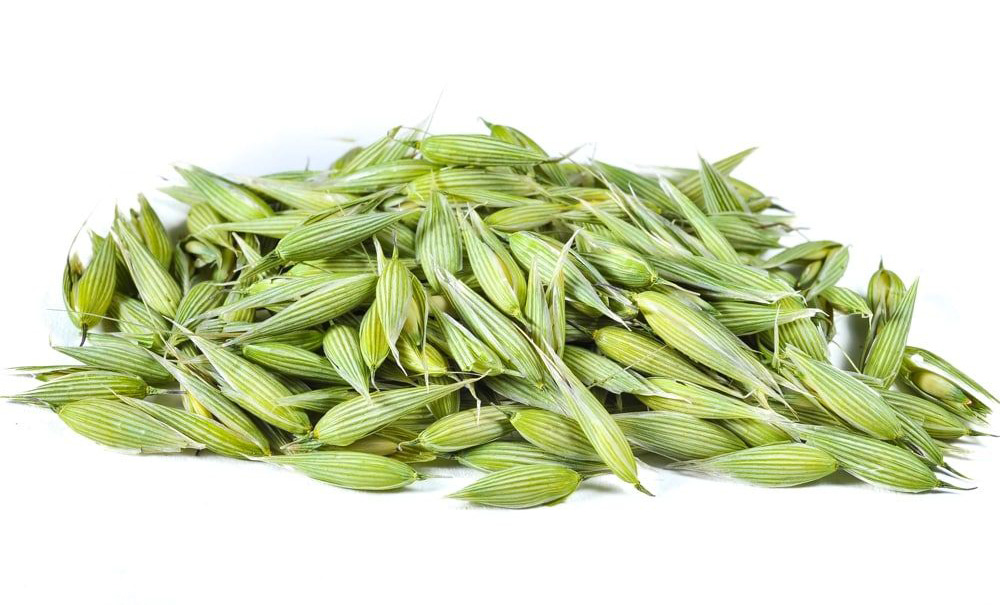
Milky oat tops are made from the fresh, immature seed of
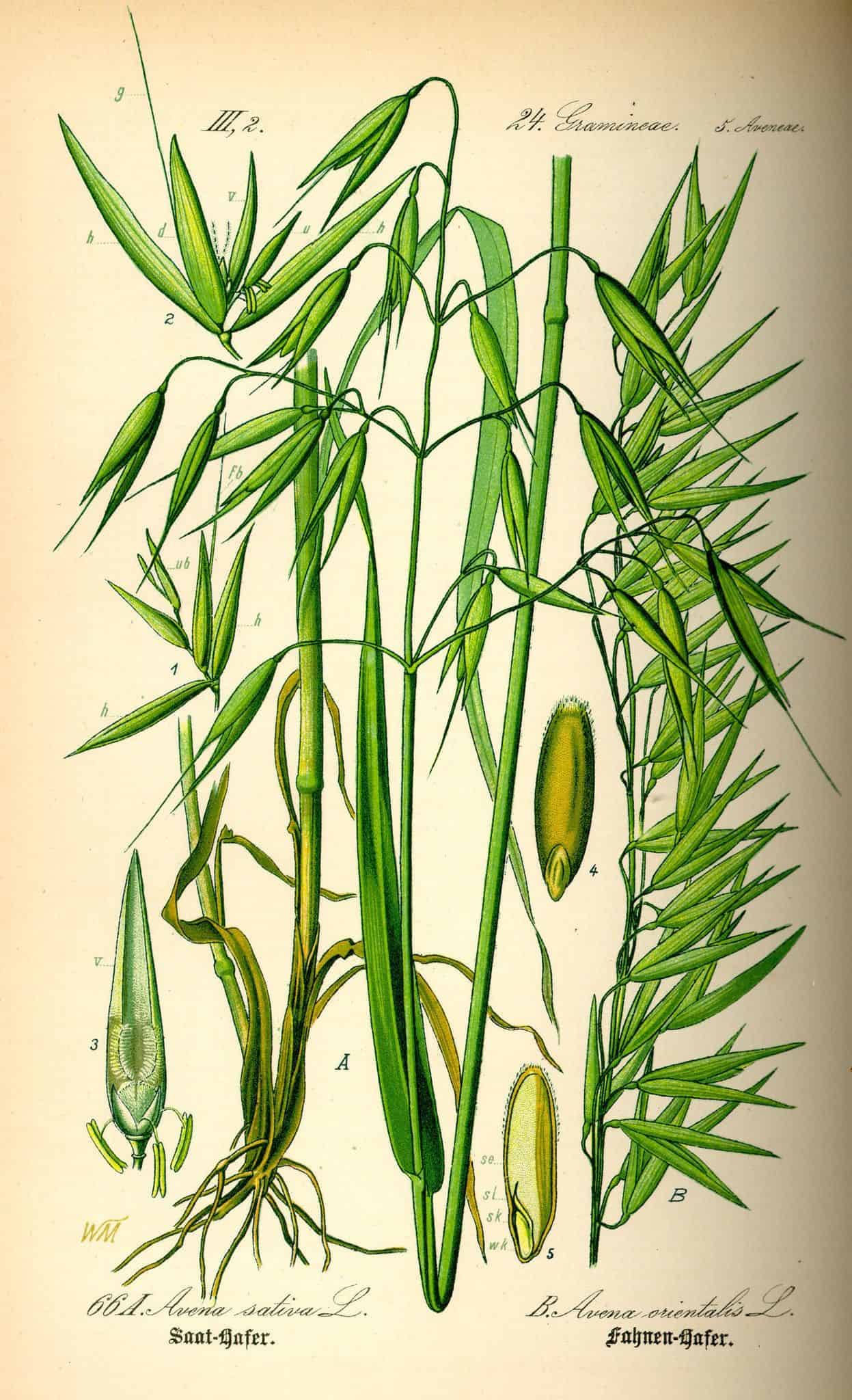
Avena sativa, harvested during a very specific window when the seed exudes a milky latex. Historically, oats were considered strengthening rather than calming, and that distinction is important. Milky oats are not my top pick for acute anxiety or panic. They are for nervous systems that have been depleted over time. This includes people recovering from burnout, chronic stress, illness, or long periods of poor sleep.
Milky oats are often described as trophorestorative, meaning they help restore function to tissue that has been worn down. Rich in minerals, B vitamins, amino acids, – milky oat supports myelin integrity and healthy nerve signaling, they provide the raw materials nerves rely on to repair and regulate. Rather than sedating the system, they gradually improve resilience by supporting steadier neurotransmission and reducing the reactivity that comes with depletion. People will often notice fewer stress spikes, improved emotional steadiness, and a greater capacity to handle stimulation without feeling overwhelmed. The effects are subtle but cumulative, especially when taken daily over weeks to months.
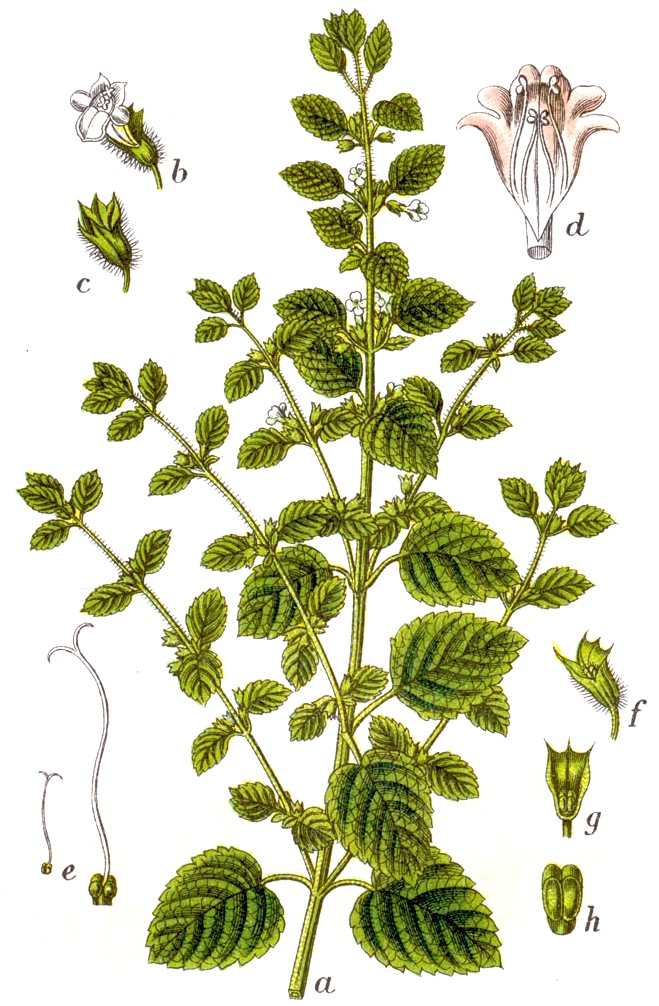
Skullcap – Scutellaria lateriflora, offers a different kind of support. It is more directly calming and is often useful for racing thoughts, muscle tension, and nervous agitation that does not shut off easily. Historically, skullcap was used for what early physicians described as nervous excitement, especially when mental overactivity interfered with rest. In modern practice, it can be helpful for people who feel overstimulated or stuck in a heightened state even when they are exhausted. Skullcap tends to work well in tincture form and can be taken as needed or in the evening, depending on the person.
Nervine herbs work best when they are paired with nervous system awareness rather than used as a standalone solution. This means noticing when symptoms show up, what worsens them, and what actually helps the body settle. Without that context, even well chosen herbs can feel inconsistent or ineffective.
This is why I created the Nervous System Reset course.
The course is designed to help you identify the pattern your nervous system is actually living in and choose herbs, practices, and daily supports that match that pattern. It is not about forcing calm or sedation. It is about learning how to read your own signals and respond in ways that build resilience over time.
This course will give you the framework to use nervine herbs with clarity and confidence. You can find the Nervous System Reset course linked below.
Work Together One-on-One
I build custom wellness plans and herbal formulas in 1:1 consults – I look at your health history and we work together to build foundational wellness.