Published
Herbalism Terms and Definitions
Here is a list of some herbalism terms you may encounter while studying plant medicine. Some terms describe how herbs act in the body, others refer to preparation methods, safety considerations, or traditional frameworks, some are outdated but have influenced modern herbal practices. Understanding these terms makes it much easier to read herb books, follow recommendations, and work with plant medicine.
1. Herbalism
The practice of using plants to support health, resilience, and healing. In Western herbalism, this includes traditional use, empirical observation, and modern research.
2. Medicinal Herb
A plant used specifically for its therapeutic actions, not just for flavor or nutrition. (many are both like say basil, but often are seen as more culinary)
3. Materia Medica
A reference system that documents herbs, including their actions, preparations, safety considerations, and historical use.
See my blog post on the history of herbalism with links to the old herbal texts
4. Herbal Action
The primary way an herb affects the body, such as calming, stimulating, drying, or cooling.
5. Nervine
An herb that supports the nervous system, often used for stress, tension, sleep issues, or emotional strain.
6. Adaptogen
An herb that helps the body adapt to stress by supporting balance across multiple systems, especially the nervous and endocrine systems.
7. Tonic
An herb taken regularly over time to strengthen or nourish a body system rather than create a quick effect.
8. Alterative
An herb that supports gradual metabolic or eliminative change, often used for skin, lymph, or chronic conditions.
9. Astringent
An herb that tightens tissues and reduces excess discharge, often used for diarrhea, weeping skin, hemorrhoids, or bleeding.
10. Demulcent
An herb rich in mucilage that soothes irritated or inflamed tissues, especially in the gut, throat, or urinary tract.
11. Vulnerary
An herb that supports tissue repair and wound healing. We often use these in topical preparations and salves.
12. Carminative
A warming herb that is often employed to aid digestion – easing gas, bloating, and digestive discomfort.
13. Diaphoretic
An herb that promotes sweating, often used during fever or early illness. This can also be helpful emotionally when you need to defuse hot emotions.
14. Diuretic
An herb that increases urine output to support fluid balance and waste elimination.
15. Antispasmodic
An herb that relaxes muscle tension or spasms, including digestive or uterine cramping.
16. Sedative
An herb that promotes sleep through various actions
17. Stimulant
An herb that increases activity in a system, such as circulation, digestion, or alertness. This does not always mean caffeine style stimulation.
18. Bitter
An herb that stimulates digestion and liver function through bitter taste receptors.
19. Hepatic
An herb that supports liver function.
20. Cholagogue
An herb that promotes bile flow from the gallbladder.
21. Lymphagogue
An herb that supports lymphatic movement and drainage.
22. Expectorant
An herb that helps clear mucus from the respiratory tract.
23. Antimicrobial
An herb that inhibits the growth of bacteria, fungi, or other microorganisms.
24. Herbal Preparation
The method used to extract or prepare an herb for use, such as tea, tincture, or salve.
25. Infusion
A water-based extraction made by steeping soft plant material like leaves or flowers.
26. Decoction
A water-based extraction made by simmering tougher plant material like roots, bark, or seeds.
27. Tincture
An alcohol-based extraction that preserves and concentrates an herb’s constituents.
28. Glycerite
A glycerin-based extraction, often used when alcohol is not appropriate.
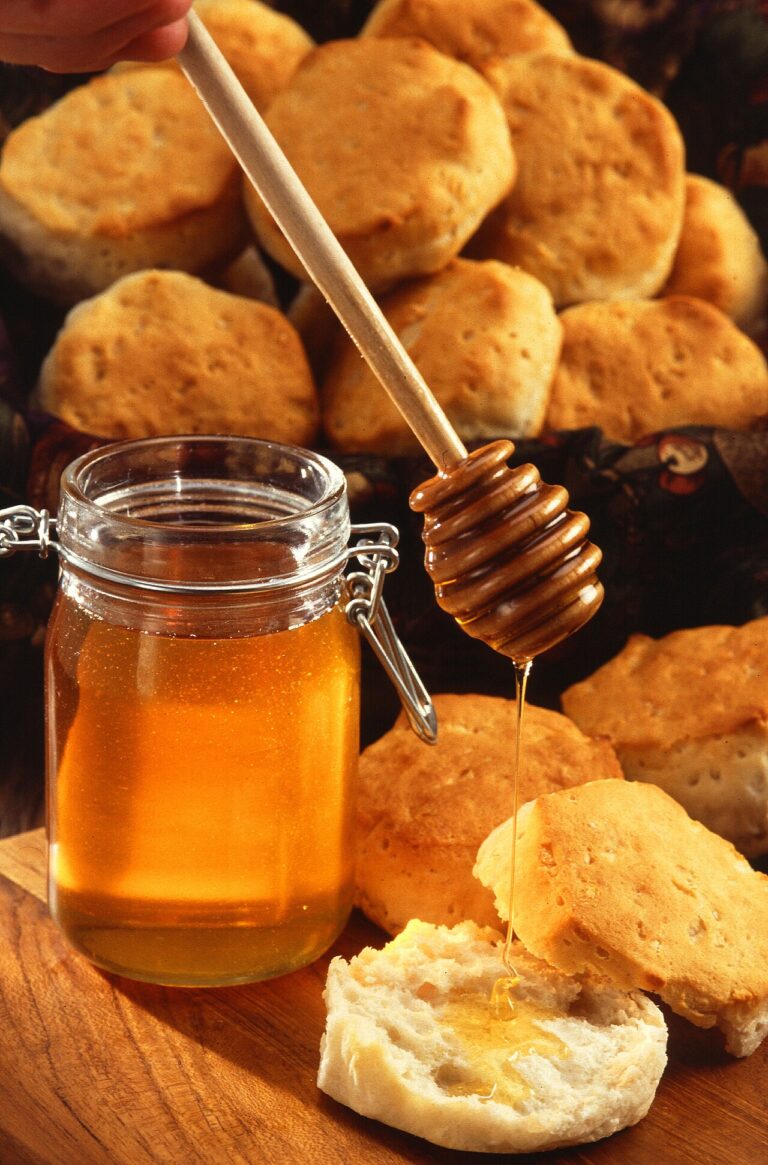
29. Oxymel
A preparation made with vinegar and honey, commonly used for respiratory or digestive herbs.
30. Poultice
A topical herbal preparation – typically moistened herbs wrapped in cloth (or just wadded together), applied directly to the skin.
31. Salve
An oil-based topical preparation usually thickened with beeswax
32. Herbal Oil
An infusion of herbs into oil, often used for topical applications.
33. Constituent
A chemical compound naturally present in a plant that contributes to its action.
34. Phytochemistry
The study of plant constituents and their effects on the body.
35. Synergy
The way multiple constituents in a plant work together to create an effect greater than any single compound. (The often missing piece to pharmaceuticals)
36. Whole-Plant Medicine
An approach that values the full chemical and energetic complexity of a plant rather than isolated compounds.
37. Energetics
A framework describing how herbs affect qualities like temperature, moisture, and movement in the body. Many cultures have their own systems of energetics.
38. Warming Herb
An herb that increases circulation or metabolic activity.
39. Cooling Herb
An herb that reduces heat, inflammation, or excess stimulation.
40. Drying Herb
An herb that reduces excess fluid or mucus.
41. Moistening Herb
An herb that adds lubrication or hydration to tissues.
42. Pattern Recognition
The process of identifying recurring symptom clusters rather than treating isolated complaints.
43. Acute Use
Short-term herbal use for immediate conditions like colds or injuries.
44. Safety Profile
An overview of an herb’s risks, contraindications, and appropriate use.
45. Contraindication
A situation where an herb should not be used due to health conditions, medications, or life stages.
46. Herb-Drug Interaction
A potential interaction between an herb and a pharmaceutical medication, often having to do with the herbs action working against or strengthening the drugs function OR the herb’s impact on how quickly the dug is metabolized.
47. Standardization
The process of adjusting an extract to contain a consistent level of specific constituents. This is often done in a lab. Home preparations are rarely able to create standardized extracts.
48. Ethical Sourcing
Harvesting or purchasing herbs in a way that protects ecosystems and communities. This means practices that consider the wellbeing of the plant, the land, and the people who are growing and harvesting.
49. Wildcrafting
Harvesting plants from their natural environment with attention to sustainability. Wildcrafted plants are often more potent but should be harvested with ethical harvesting practices and in accordance with local laws.
50. Cultivated Herb
An herb grown in an herb farm or garden rather than harvested from the wild.
51. Fresh Plant Tincture
A tincture made from freshly harvested plant material instead of dried plant matter this is often more potent but certain plants water content is too high to make shelf stable tinctures and therefore must be dried or wilted first.
52. Dried Herb
Plant material that has been dried for storage and later use – ideally at a low heat to preserve medicinal compounds.
53. Shelf Life
The length of time an herbal preparation remains effective and safe to use.
54. Organoleptics
Evaluating herbs using taste, smell, sight, and texture. Your lived, physical experiences of a plant.
55. Empirical Use
Herbal knowledge based on observation and experience over time.
56. Clinical Herbalism
The professional practice of herbalism by someone trained in advanced individualized assessment, safety screening, and ongoing support.
The Herbarium
The Herbarium is a monthly print zine mailed to you – it covers plant history, botany, folklore, and herbalism