Published
In mid-nineteenth-century America, medical practice was divided into fierce ideological camps. On one side stood mainstream “heroic” medicine: physicians who treated disease with heavy mercury purges (calomel), bloodletting, and synthetic minerals. On the other side arose the Eclectics, a pragmatic movement of botanical physicians led by figures like Wooster Beach, John King, and John Uri Lloyd.
The term eclectic came from the Greek word meaning “to choose.” The Eclectics pledged to choose the best, safest remedies from all medical traditions, rejecting heroic mercury purging and reliance on synthetic poisons in favor of plant-based therapeutics, anatomical study, and clinical observation.
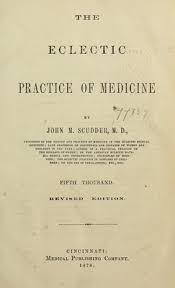
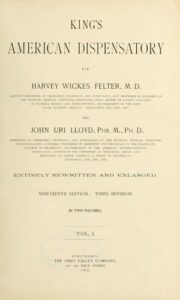
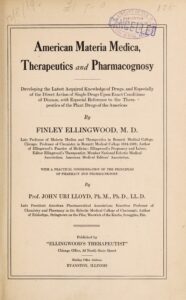
Specific Medication and Specific Diagnosis
The greatest contribution of Eclectic medicine was John Scudder’s theory of Specific Medication. Rather than treating broad disease labels like “fever” or “consumption,” Scudder taught physicians to match specific plant tinctures to precise physiological signs: pulse quality, tongue color, tissue tone, and organ tenderness.
For instance, Eclectic physicians prescribed Echinacea angustifolia specifically when tissues showed bluish coloration, foul discharges, and septic tendency, pioneering the clinical application of North American flora.
The Flexner Report and the Fall of Eclectic Colleges
At its peak around 1900, the Eclectic movement operated chartered medical colleges in Cincinnati, New York, Chicago, and St. Louis, graduating thousands of licensed physicians. However, in 1910, Abraham Flexner published his landmark report commissioned by the Carnegie Foundation and supported by the AMA.
The Flexner Report mandated heavy laboratory infrastructure requirements that favored synthetic pharmaceutical research funded by industrial philanthropies. Because botanical medicines could not be patented, funding dried up for Eclectic institutions. The last Eclectic medical college closed its doors in Cincinnati in 1939.
The Herbarium is a monthly print zine mailed to you – it covers plant history, botany, folklore, and herbalism.