Published
What to look for when buying Medicinal Seeds
Latin Names Matter:
Latin names really matter when you’re buying seed. You want to know exactly what species, and sometimes even what variety, you’re putting in the ground. Medicinal qualities are tied to species. Matricaria chamomilla is not the same plant as Chamaemelum nobile. Different chemistry, different actions, different growth habits. If you’re growing something for sleep, hormones, lymphatic movement, or immune support, you need to know you’re actually growing the plant you think you are.
Choosing what to Start from Seed
When deciding between starting from seed or buying a plant start, look at the plant’s actual needs.
Can it be direct sown easily, like calendula, or does it need cold stratification, light to germinate, or a long indoor start under grow lights? Think about if this herb will fit into your seed starting set up. Sometimes purchasing strong nursery starts can save you a season and a lot of frustration.
Does Organic Matter?
Organic certification on seeds is helpful, but I care more about whether the seed is untreated, viable, and transparently sourced. Some conventional seeds are coated with fungicides or treatments, which I avoid if I’m growing medicine. It’s helpful if they list germination rates, recent packing dates, and whether the company actually grows their seed or just resells bulk lots.
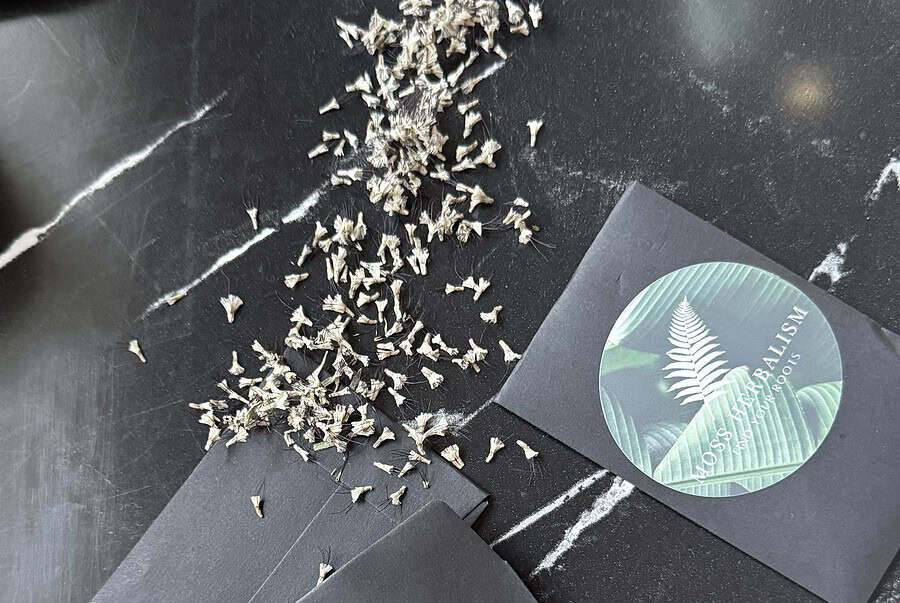
Sourcing Medicinal Herb Seeds
- Adaptive Seeds
- Mountain Farm Herbs
- Earthbeat Seeds
- Mary’s Heirloom Seeds
- Friends of the Trees Botanicals – Wholesale but they often sell at events
Seed Savers Exchange – (membership/seed swap model).
Free Heirloom Seeds (FreeHeirloomSeeds.org) – Community seed distribution (free or donation-based)