Published
One of the most common questions beginner herbalists ask when learning field botany is whether wild plants growing along rural roads, trails, or suburban fence lines are safe to harvest. The concern is understandable: vehicles emit heavy metals, brake dust, and unburned hydrocarbons, while road crews frequently spray synthetic herbicides to clear right-of-ways.
In clinical herbalism, we balance the ecological vitality of wild plants against environmental toxicity risks. Here is an evidence-based breakdown of roadside contamination dynamics, soil bioaccumulation, and practical safety protocols for foragers.
Heavy Metals and Exhaust Particulates
The primary heavy metal contaminants along roadways are lead (Pb), cadmium (Cd), and zinc (Zn). Although leaded gasoline was phased out decades ago, legacy lead persists in roadside soils for generations. Tires shed zinc oxide, and brake pads shed copper and cadmium dust during deceleration.
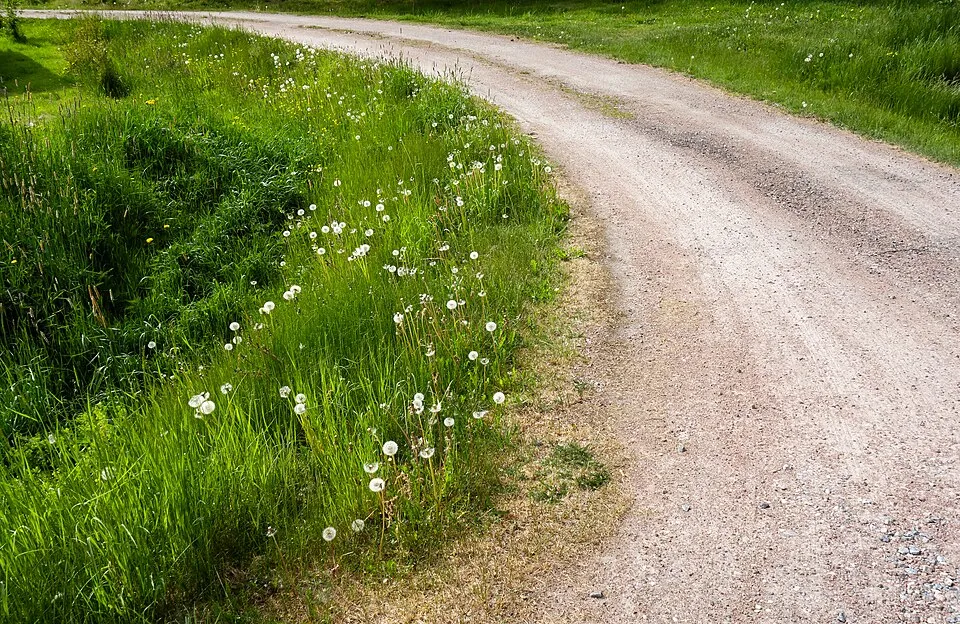
Studies measuring heavy metal deposition along highway corridors consistently demonstrate a steep drop-off curve: soil and foliage contamination spikes within 10 to 15 meters (30-50 feet) of paved roads and drops to baseline background levels beyond 100 feet.
Plant Hyperaccumulators vs Surface Dust
Crucially, different botanical families interact with contaminants in distinct ways:
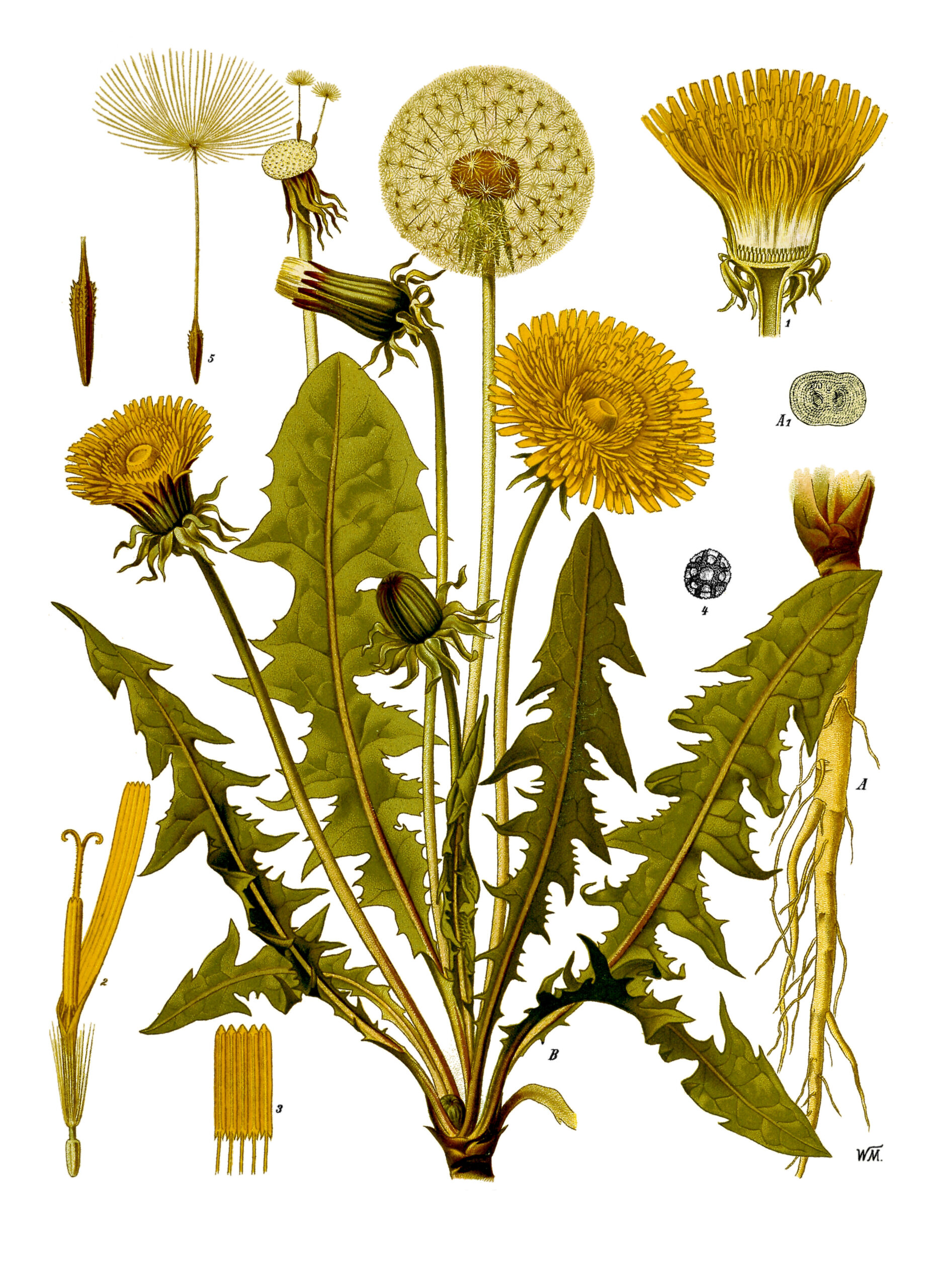
- Dynamic Accumulators: Deep-rooted taproot species like Dandelion (Taraxacum officinale) and Chicory draw mineral elements into foliage.
- Leafy Greens & Surface Dust: Hairy-leaved plants like Mullein or Nettle trap particulate airborne dust in surface trichomes. Washing thoroughly removes surface dust, but root-absorbed metals remain in plant tissue.
Roadside Foraging Safety Rules
- Observe the 100-Foot Rule: Stay at least 100 feet back from major highways or high-traffic paved roads.
- Avoid Agricultural Runoff Drainage: Do not harvest from ditches receiving farm or golf course runoff.
- Look for Herbicide Signs: Wilting, yellowing, twisted foliage indicates recent chemical spraying.
- Wash Harvested Herbs Thoroughly: Rinse wild foliage in cold water to remove dust particulates before drying.
The Herbarium is a monthly print zine mailed to you – it covers plant history, botany, folklore, and herbalism.