Published
A shady garden does not mean you’re out of luck for growing potent medicine, although you do need to be more strategic. You’re not going to be pushing plants to produce large fruit and flowers, you’re working with slower growth and often softer tissues. In the Pacific Northwest, especially here in Seattle where conifers and cloud cover shape our landscape, shade has not stopped the abundance of plant life here. It’s an ecological niche. Many of our most respected medicinal plants evolved in woodland understories, forest edges, and moist ravines. If you understand how those environments function, you can grow potent medicine without needing a sunny plot.
Understanding Shade
There are many types of shade – There is deep shade under evergreens, there is the limited shade on the north side of a house, and dappled light beneath deciduous trees. The quality of light matters as much as the duration. Woodland medicinals are adapted to filtered light and seasonal change. Many leaf out early before tree canopies close, then slow their growth in summer.
When planning a shade medicinal bed, pay attention to:
- Soil moisture. Shade often means cooler soil that holds moisture longer.
- Organic matter. Forest plants expect humus-rich soil built from leaf litter.
- Root competition. Tree roots are real competition for nutrients and water.
- Air movement. Dense shade with no airflow increases fungal pressure.
You are not trying to replicate a vegetable bed. You are recreating woodland conditions.
Medicinal Plants for Shade Gardens
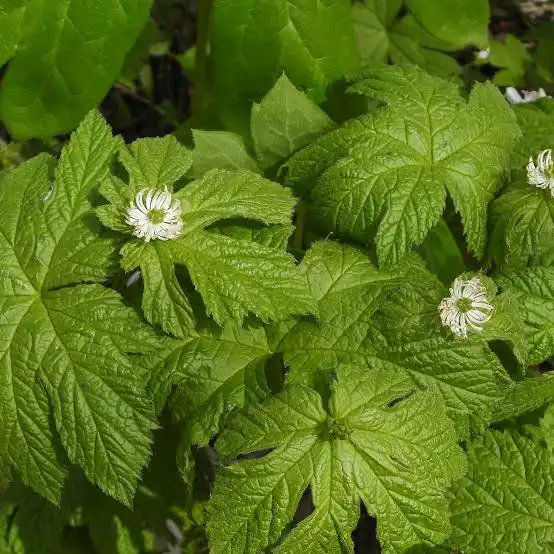
Goldenseal
Goldenseal is a classic woodland medicinal native to eastern North America. It prefers rich, moist soil and partial to full shade. The rhizome contains berberine and hydrastine, compounds studied for antimicrobial and mucosal-support effects. In cultivation, it requires patience. It spreads slowly by rhizome and does not tolerate direct afternoon sun.
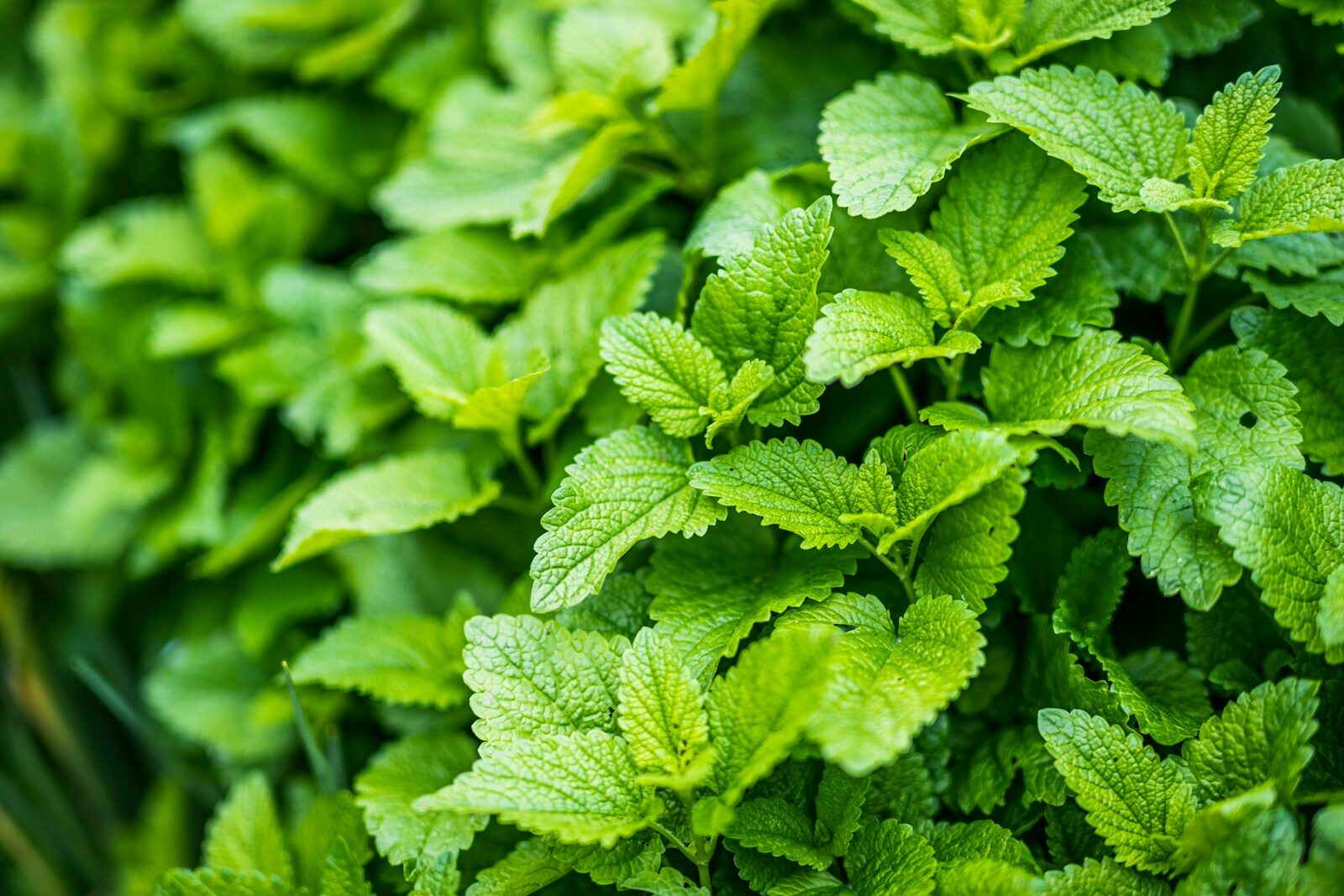
Lemon Balm
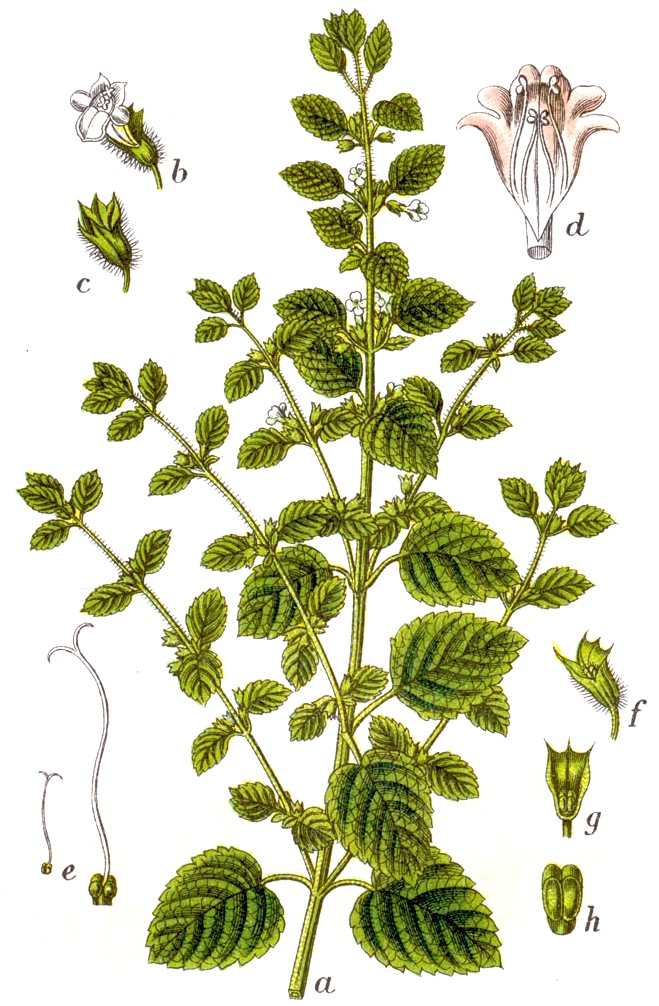
Lemon balm tolerates partial shade well, especially in hotter climates where full sun can stress it. In lower light it grows softer, with higher moisture content in the leaves. While essential oil concentration can vary with light exposure, shade-grown lemon balm often produces abundant vegetative growth, which is ideal when you’re harvesting leaf for teas.
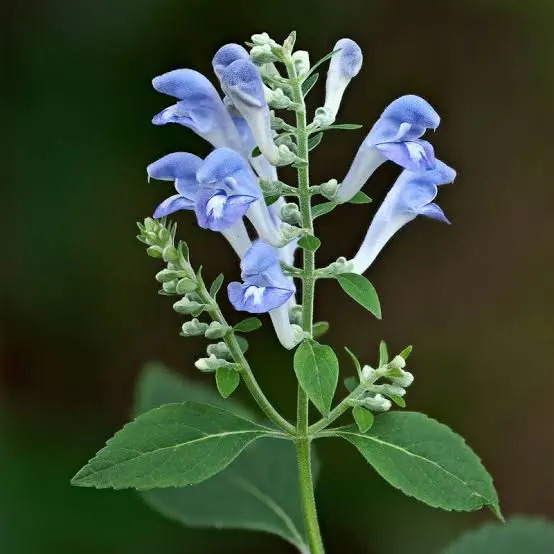
Skullcap
American skullcap grows naturally along stream banks and woodland edges. It prefers moist soil and partial shade. This is a nervine that responds well to steady water and cooler conditions. In too much sun, it can become stressed and bolt quickly. In shade, it stays lush longer, giving you a better harvest window.
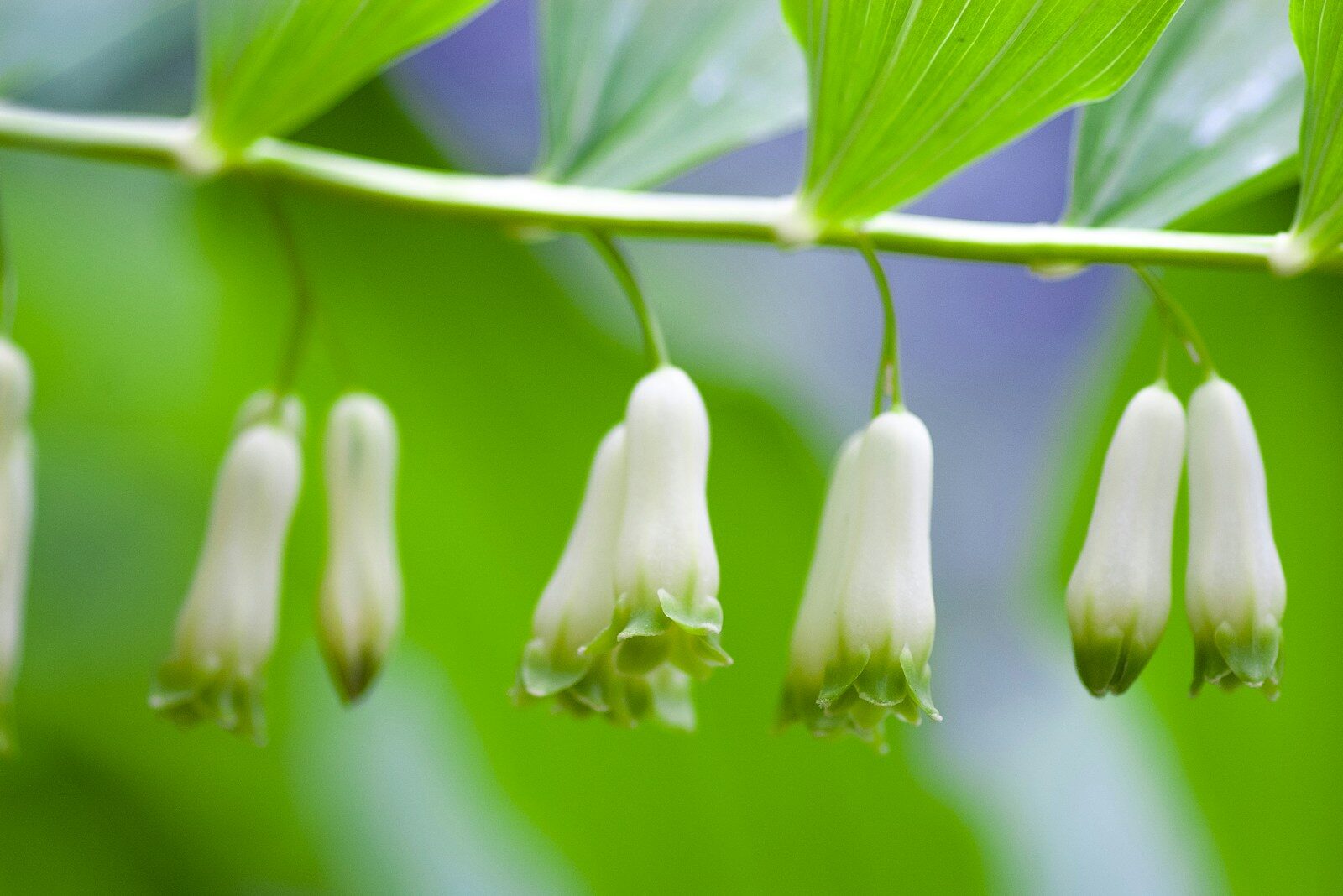
Solomon’s Seal
Solomon’s seal is a true understory plant. It grows in deep to partial shade and prefers loose, forest soil. The rhizome has a long history of use for connective tissue and joint support (and is very tasty!) This is not a plant for exposed beds.
Lungwort
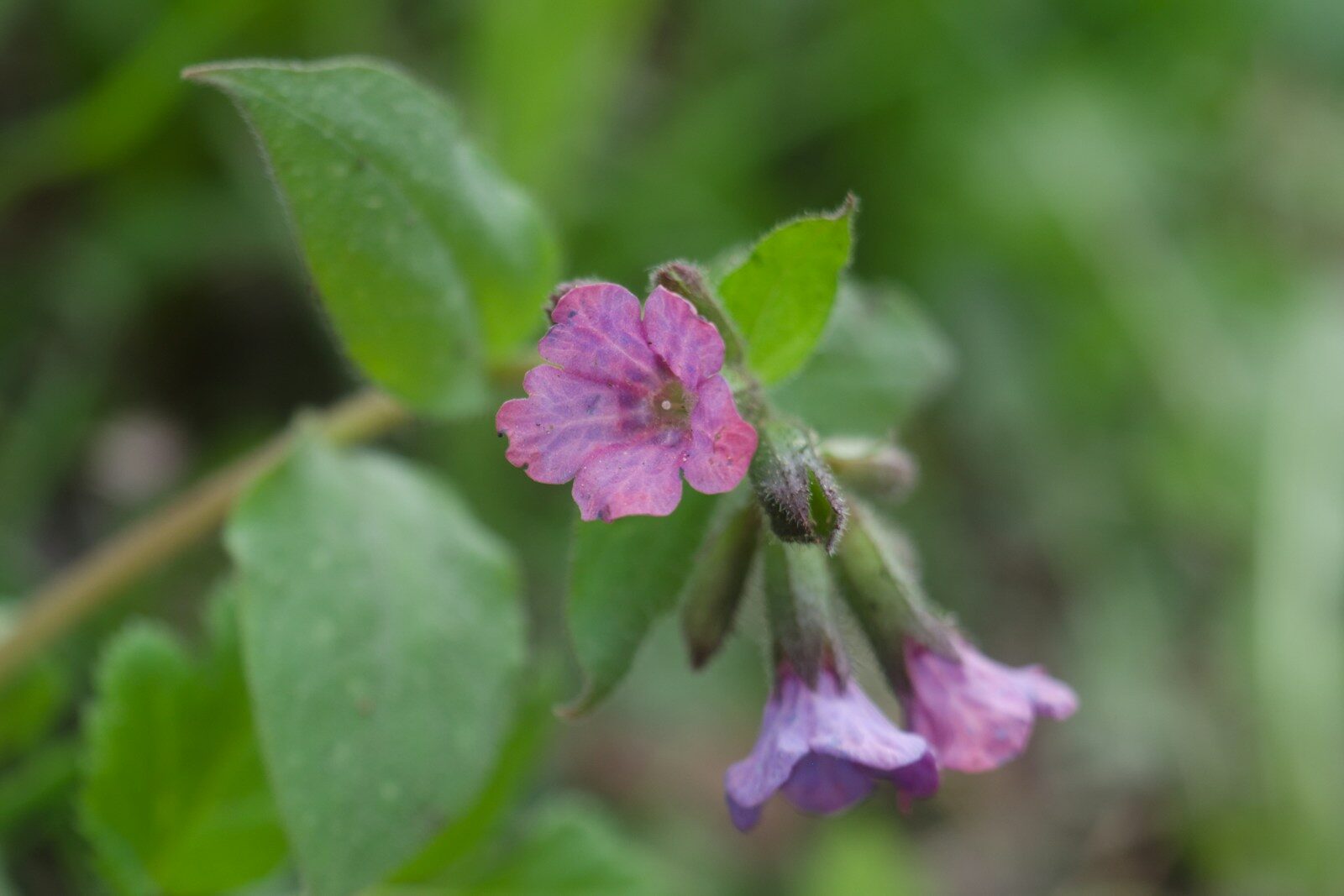
Lungwort is a classic early spring woodland plant. It tolerates partial to deep shade and prefers consistently moist, humus-rich soil. The spotted leaves and pink-to-blue flowers are really a beautiful feature to bring in. Historically associated with lung support for it’s spots under the doctrine of signatures, this is backed up with it’s mucilage content and mild tannins that align with its traditional demulcent use. In shade gardens, it fills that early-season gap before trees fully leaf out.
Sweet Violet
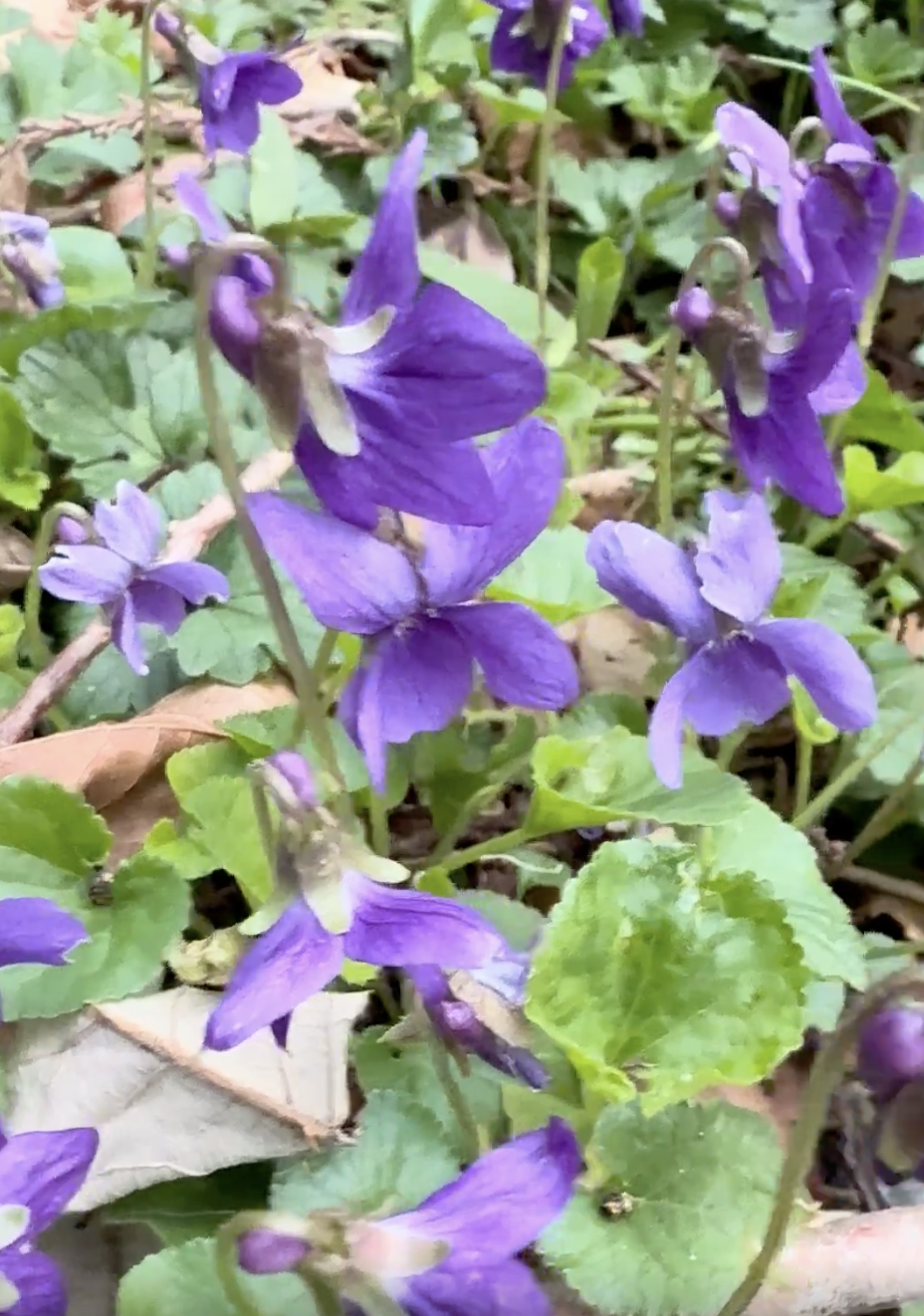
Sweet violet thrives in partial shade and spreads easily as a low groundcover. It prefers cool soil and organic matter, much like other woodland species. The leaves are traditionally used as a gentle lymphatic and demulcent, while the flowers have a long history in syrups and confectionery. In a shade bed, violets knit the soil surface together and reduce erosion while giving you usable medicine in early spring.
Soil Building for Shade Beds
Forest plants evolved in soil built from decaying leaves, fungal networks, and steady moisture. If your shade bed sits under mature trees, you may be dealing with compacted roots and dry soil despite the lack of sun.
To build a healthy medicinal shade bed:
- Top-dress annually with leaf mold or compost.
- Add wood chips to mimic forest floor structure.
- Avoid aggressive tilling that disturbs fungal networks.
- Water deeply but less frequently to encourage root depth.
Shade plants often rely more heavily on mycorrhizal relationships than annual vegetables. Disturbing that soil repeatedly works against you.
Medicinal Potency and Light
It’s easy to assume more sun equals stronger medicine. That isn’t always true. Many secondary metabolites are produced in response to stress, including light stress, but excessive sun can reduce biomass or damage tissue in plants adapted to shade.
Woodland species evolved to function at lower light intensities. Their chemistry developed in that context. When you grow them in appropriate shade, you are aligning with their ecology rather than forcing adaptation.
A shaded corner of your yard can become one of the most stable, low-maintenance medicine beds you grow.
The Herbarium
The Herbarium is a monthly print zine mailed to you – it covers plant history, botany, folklore, and herbalism