Published
The Plant That Follows Fire
After a fire moves through a forest and the smoke clears, the ground is left black and stripped, the soil is rich in minerals where there used to be understory. Within a season, sometimes faster, the most opportunistic plants start coming up out of the ash, and Fireweed is one of the leaders in the forests efforts to grow again. Tall spires of pink flowers begin to colonize the newly empty land one of the pioneer species.
*Chamerion angustifolium* colonizes burned areas and clearcuts, roadcuts, blast sites, anywhere the existing plant life has been heavily disturbed and bare soil is open to the light. When Mount St. Helens erupted in 1980 it was one of the first plants back on the devastation, and a year after the blast most of the seedlings on that new ground were fireweed. In London during the Second World War it came up so thickly in the bombed rubble that people started calling it bombweed.
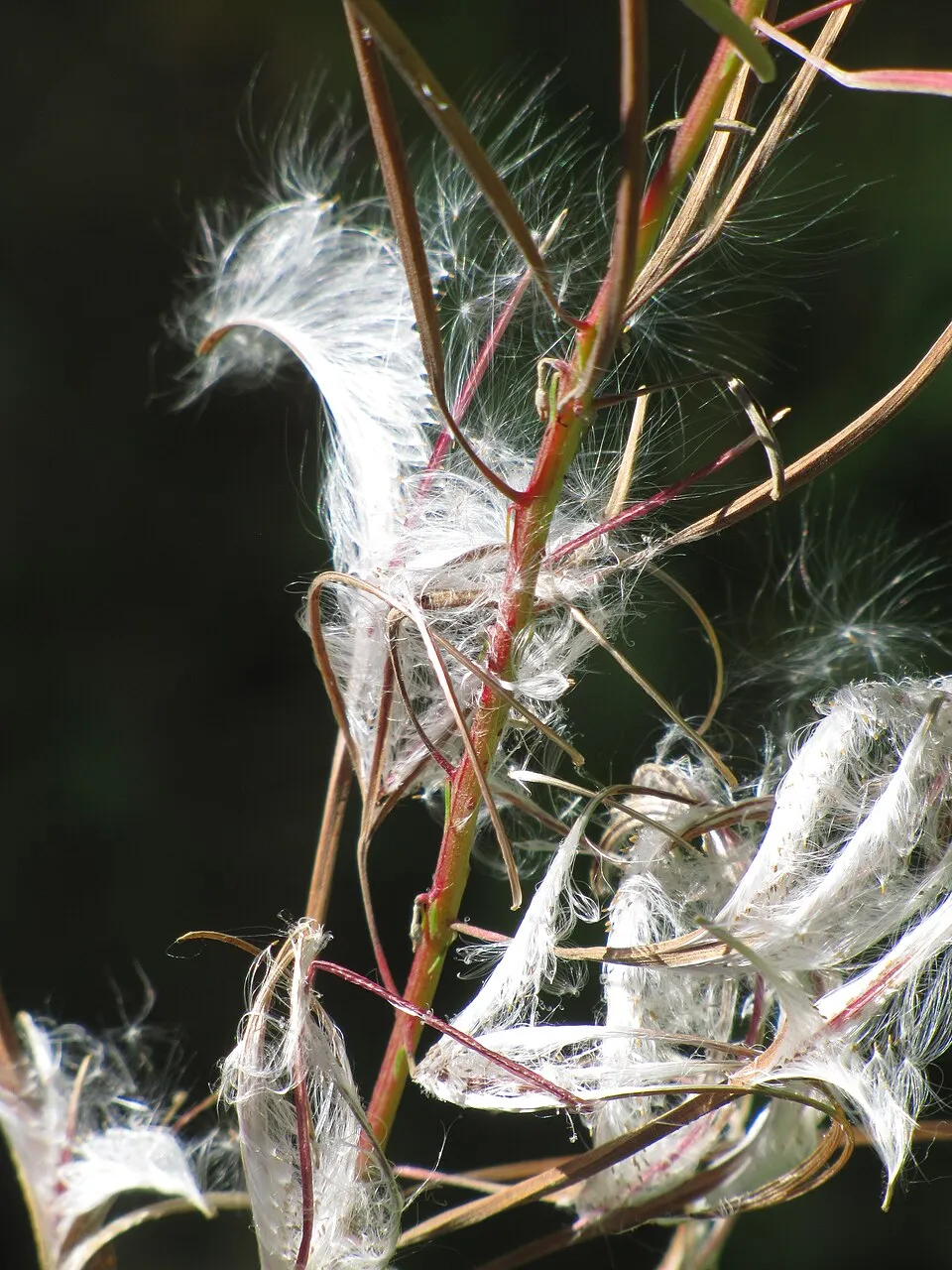
A single plant can put out something like eighty thousand seeds, they look like little white cotton tufts and they can be carried for miles on the wind. The seeds sit in the soil and wait, sometimes for years, for the right conditions of disturbance. Fire strips off the organic layer and exposes the mineral soil underneath, and that bare seedbed is exactly what fireweed germinates into best.
Once the seedlings take hold, the plant mostly stops bothering with seed. It spreads underground by rhizome, and most of that rhizome sits in the top couple inches of soil. The visible plant dies back with the frost but the rhizome overwinters and sends up new shoots in spring.
If you break a piece of rhizome off you can root a whole new plant with it, people who have tried to remove it know this well.
Fireweed is what ecologists call a pioneer species, they are the first wave and really don’t have a long term establishment plan after the rest of the forest quite literally, gets its roots. It hits peak coverage about five years after a disturbance, carpets the open ground, and then their populations start to wane. Shrubs and young trees come up, the canopy closes, the light goes, and fireweed thins out and recedes. It’s evolution strategy is to be the early bird.
The flower spike blooms from the bottom up, lowest flowers first, the bud at the very tip last. There is an Alaskan saying is that summer has really arrived when the lowest blossoms open and that summer is ending when the bloom reaches the top. By the time the top is opening the bottom flowers have already gone to seed and started splitting into white silk.


Fireweed is one of the heaviest nectar producers in the northern hemisphere, and a strong colony can give well over a hundred pounds of honey in a season. The young shoots when they are picked before they get tough have been eaten in the north and across Siberia, prepared a lot like asparagus, but also eaten raw in salads or blanched to soften it a bit. They are sweetest very young. The flowers are gathered early and are made into jellies and added to honeys or teas.
In Russia the leaf is fermented and dried the way black tea leaf is, oxidized, which turns it deep and fruity. This is called Ivan Chai, named for the town of Koporye, where it has been made since at least the thirteenth century. Before the industrial era it was one of Russia’s larger exports.
Fireweed’s medicinal use is often using the same tannin and polyphenol chemistry that gives the leaf its flavor when fermented into these teas. European herbalists have used the aerial parts of Epilobium angustifolium for centuries to treat gastrointestinal complaints, urinary tract disorders, and prostate conditions including benign prostatic hyperplasia. There are actually studies on this! We never get herb studies – but it’s been shown to have promising results on prostate conditions. The tannins also give fireweed antimicrobial activity against bacteria including Staphylococcus aureus and E. coli, and support it’s traditional use as a topical treatment for wounds and skin irritation, and as a gargle for sore throat and inflamed gums.
The Herbarium
The Herbarium is a monthly print zine mailed to you – it covers plant history, botany, folklore, and herbalism