Published
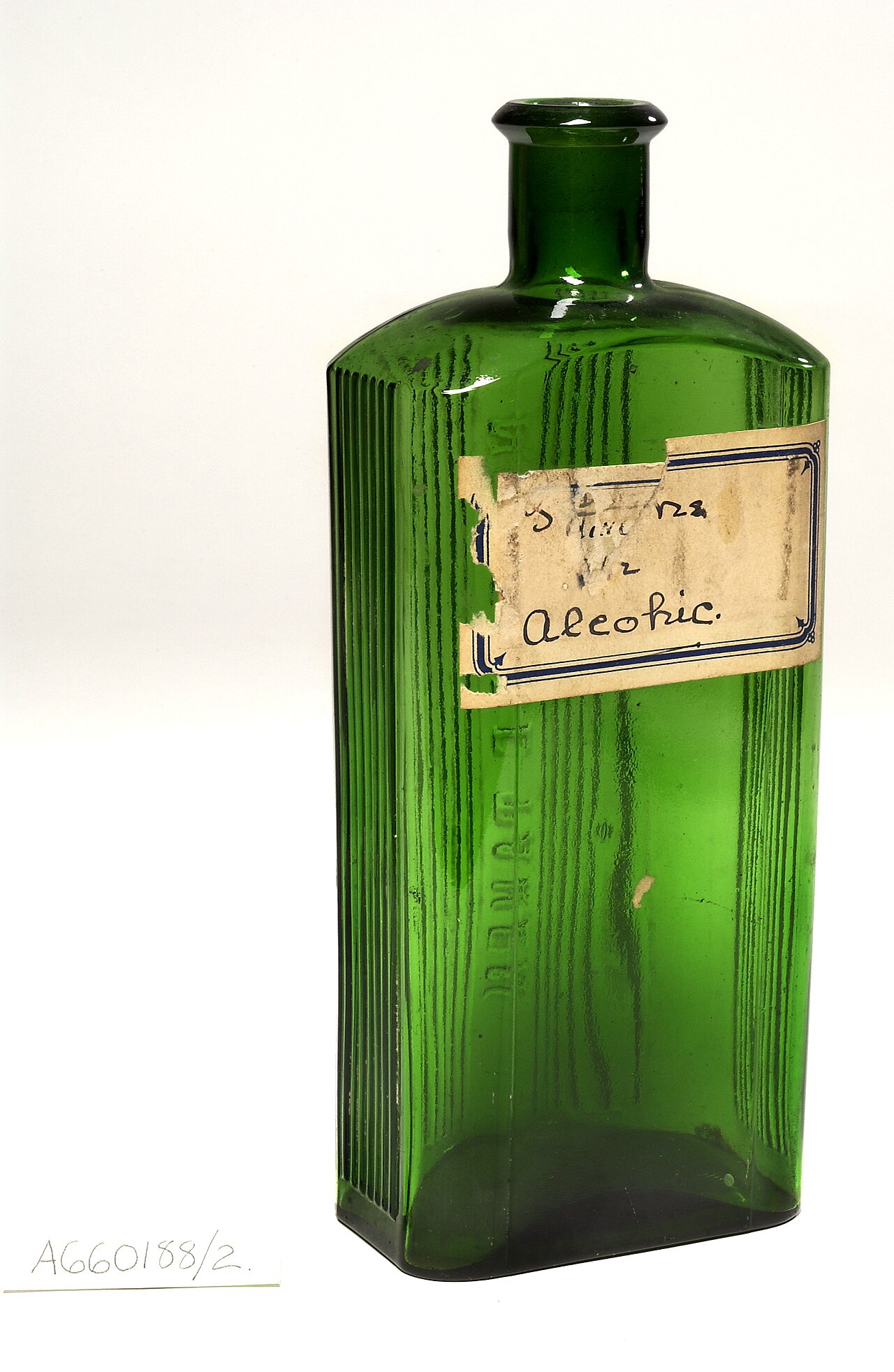
There is a specific weight to holding an old glass jar. Not modern soda-lime glass stamped out by the million in automated factories, but heavy, thick, bubble-flecked glass hand-blown in the eighteenth or nineteenth century. When you hold a dark green or deep cobalt poison bottle, or a painted Delftware albarello, you are holding a physical vessel designed to solve a problem that has challenged herbalists for five thousand years: how do you stop light, air, and moisture from destroying plant medicine?
The history of apothecary vessels is a quiet parallel track to the history of herbalism itself. As plant remedies evolved from fresh garden leaves to dried roots, distilled hydrosols, volatile essential oils, and concentrated tinctures, the containers used to hold them had to evolve alongside.
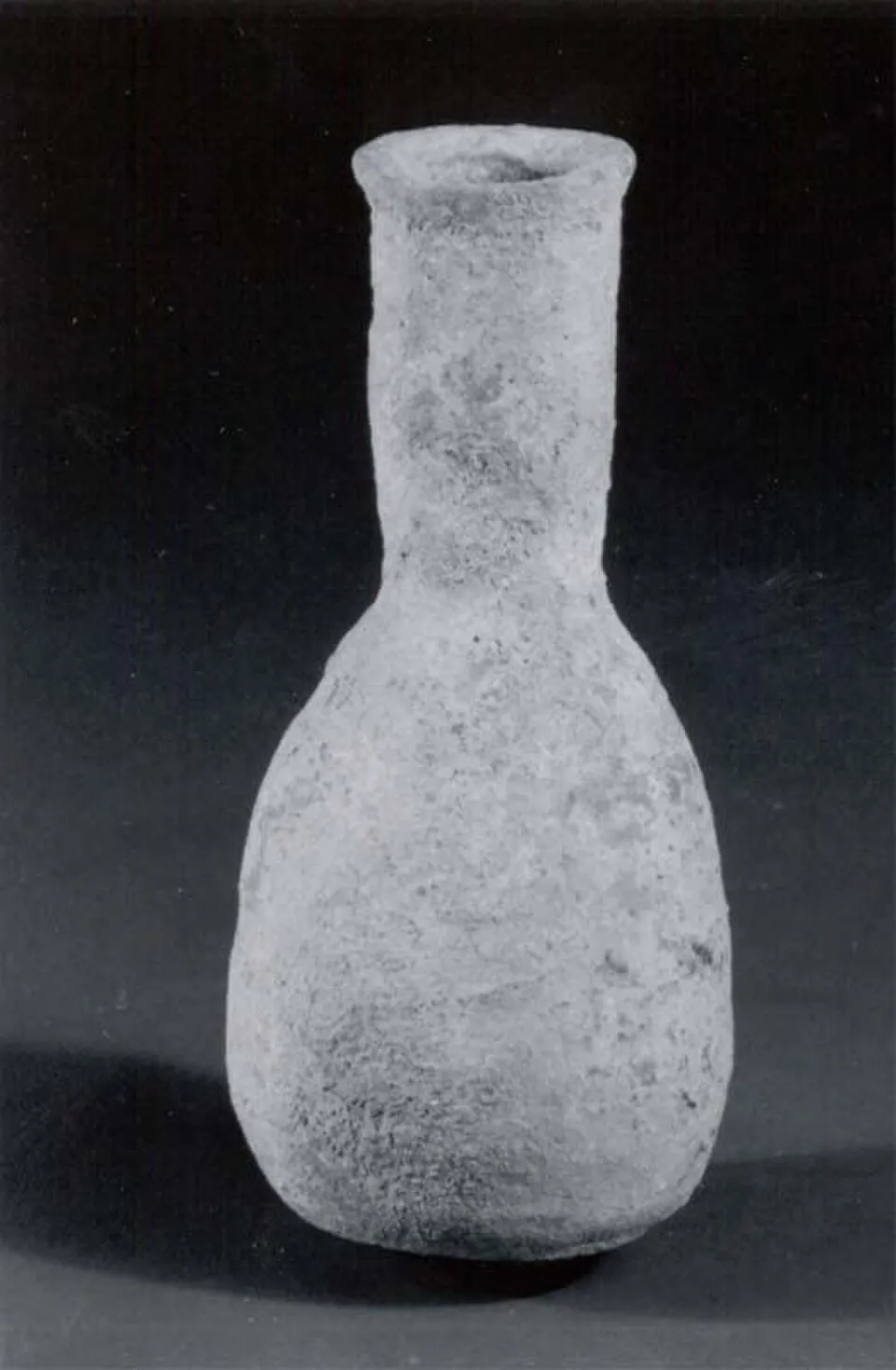
Earthenware and the Ancient Clay Unguentarium
In ancient Egypt, Greece, and Rome, small clay or alabaster bottles called unguentaria were the standard containers for precious oils, unguents, and resinous ointments. Unglazed clay absorbs moisture and oils over time, so ancient apothecaries sealed the interior with beeswax or resin.
Alabaster was favored for volatile perfumes and expensive herbal unguents because limestone keeps contents cool in hot Mediterranean climates. The narrow neck reduced surface area exposure to air, preserving delicate volatile aromatic compounds.
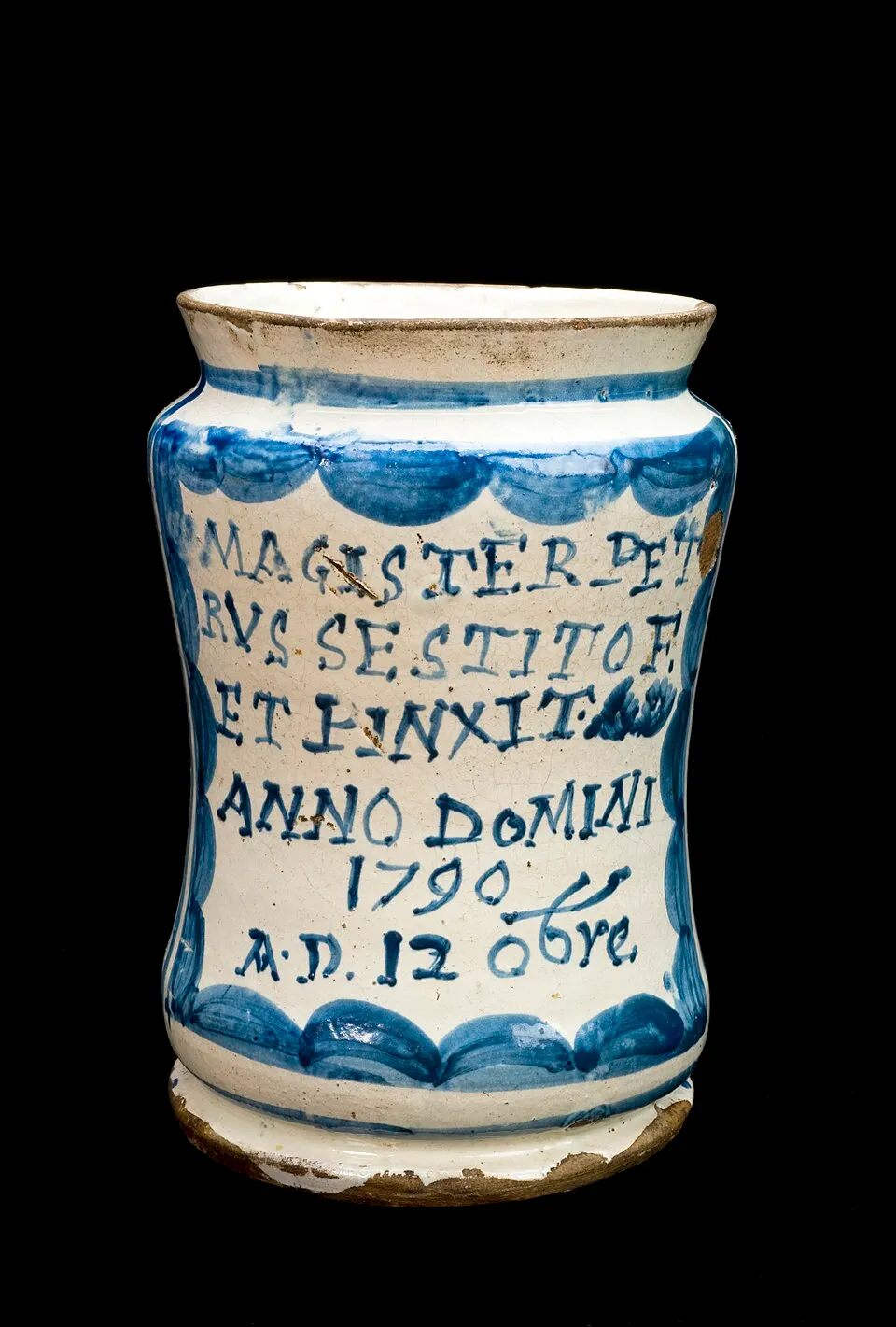
The Ceramic Albarello of Medieval Apothecaries
By the fifteenth century, Islamic ceramic traditions brought majolica pottery to Italian and Spanish apothecary shops. The classic jar shape was called the albarello: a waist-indented cylindrical tin-glazed earthenware jar designed so apothecaries could grasp it firmly off high shelves without slipping.
Each albarello was painted with cobalt blue or copper green lettering naming the dried plant or compound inside, such as Syr. Papaveris (syrup of poppy) or Ung. Rosatum (rose ointment). Parchment tied with twine over the rim served as the original airtight lid.
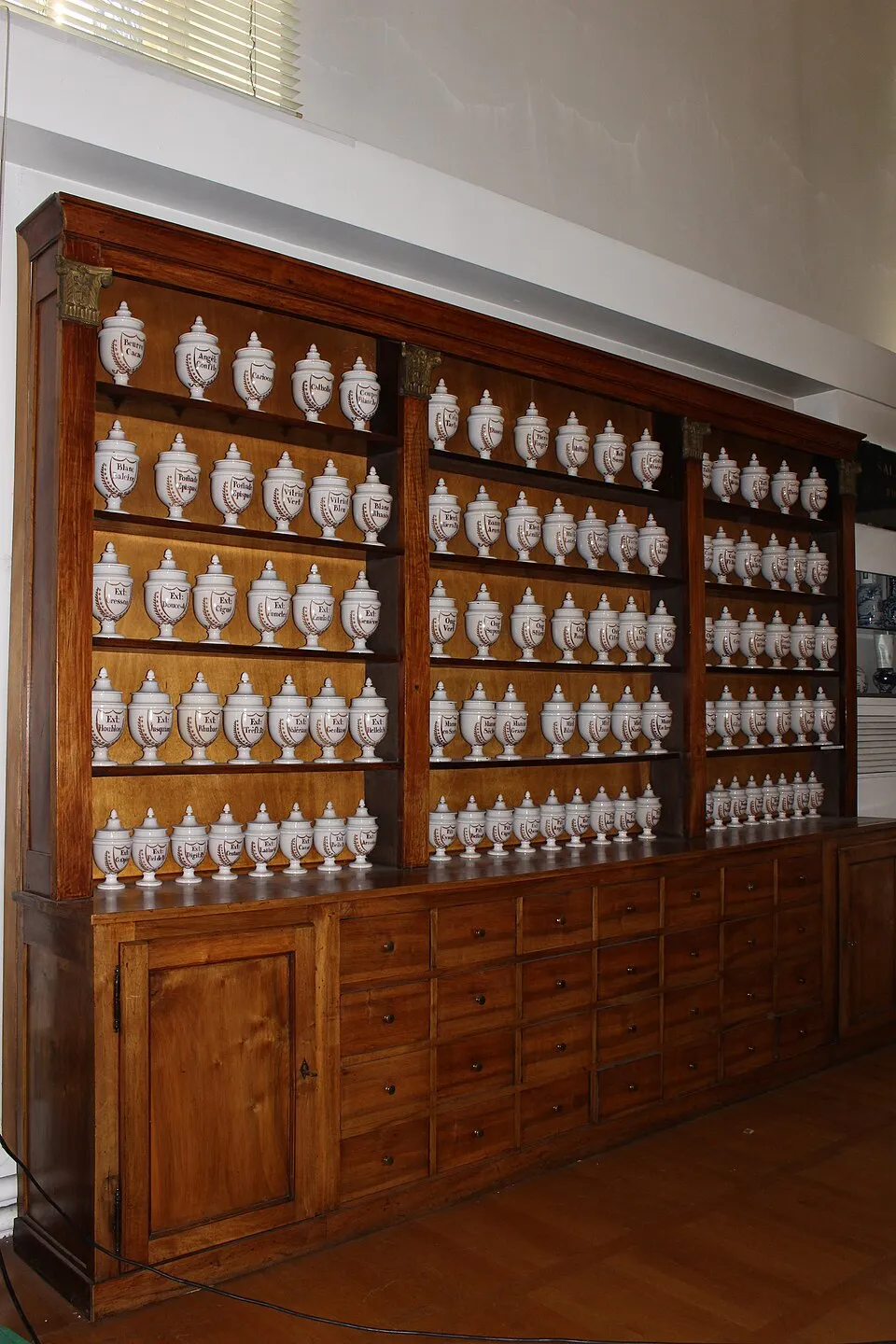
Glass, Amber, and Photoprotection
The invention of industrial glassblowing in the nineteenth century transformed plant storage forever. Glass is chemically inert; unlike clay or pewter, it does not react with alcohol tinctures, vinegar extracts, or essential oils.
Apothecaries quickly observed that clear glass allowed ultraviolet light to degrade delicate phytochemicals, decomposing chlorophyll, breaking down alkaloids, and oxidizing polyphenols. By adding iron oxide or sulfur to glass melts, glassmakers produced dark amber and cobalt blue bottles that absorb UV radiation and shield liquid tinctures.
The Herbarium is a monthly print zine mailed to you – it covers plant history, botany, folklore, and herbalism.