Published
Can herbs damage your liver?
If you’ve spent any time in herbal spaces online, you’ve probably encountered one of two extremes. Either herbs are completely safe because they’re natural, or they’re dangerous and deadly. Neither of those is particularly useful, and when it comes to the liver specifically, the conversation deserves a bit of nuance.
Some herbs can be hard on the liver – this is true.
Lets start by talking about the liver’s function as your body’s primary filtration system. Everything you consume, whether it’s food, medication, or a cup of tea, gets processed there. So it makes sense that what you put in your body can affect how it functions. Herbs are no exception to this. Most herbs, used appropriately, are well tolerated. But some have real hepatotoxic potential, meaning they can cause liver stress or damage under certain conditions. Knowing which ones, and why, is important information for anyone working with plants and something I factor into any plan I make for my clients.
What herb-induced liver injury actually looks like.
Let’s start with the worst case scenario to get this out of theway. Liver injury can range from mild, temporary enzyme elevations that you’d never notice without a blood test, all the way to serious conditions like cholestatic hepatitis or, in rare cases, liver failure. The mechanism varies depending on the plant: some herbs contain compounds that are directly toxic to liver cells, some cause idiosyncratic reactions that are essentially unpredictable, and some become problematic only at high doses or with prolonged use. Context is important here.
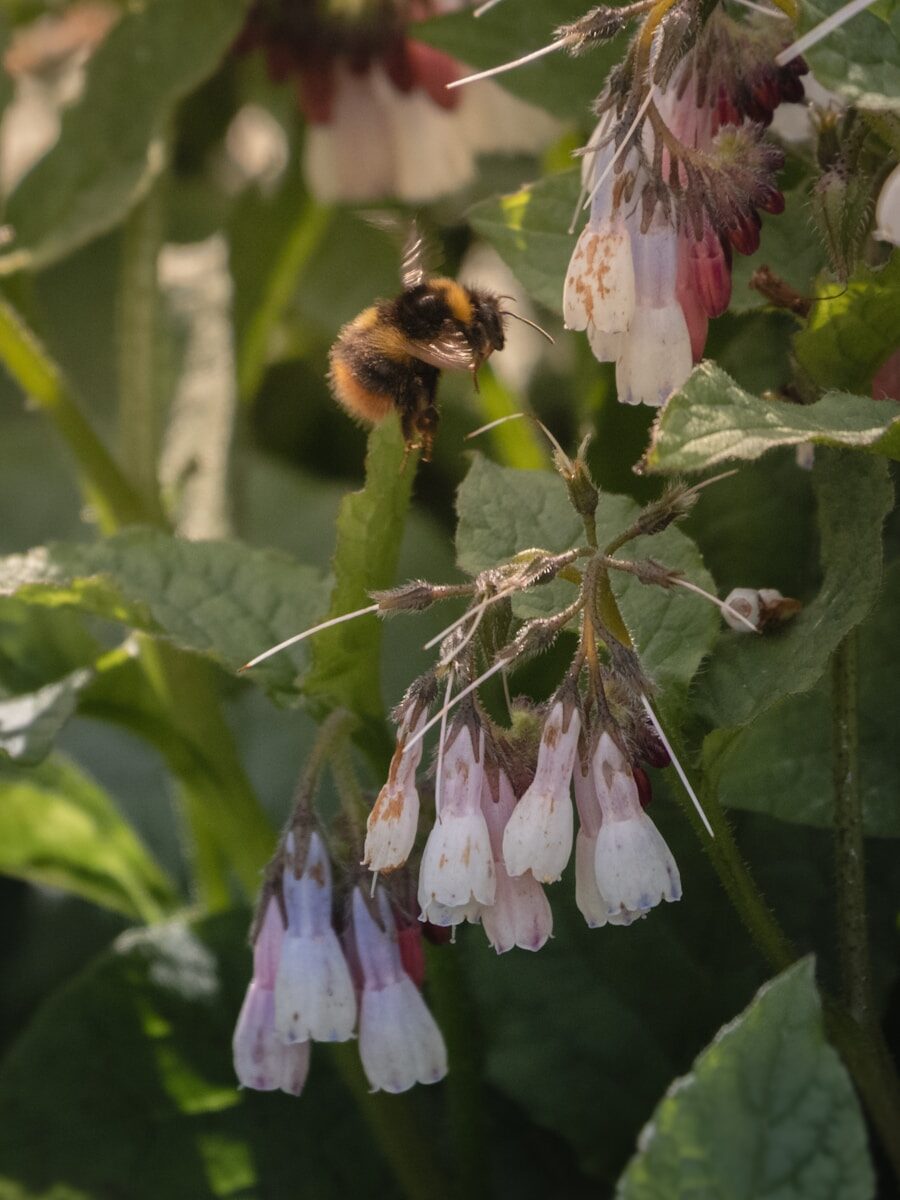
Comfrey Symphytum officinale
Comfrey is probably the herb that comes up most often in conversations about herb liver safety, and there is reason for that. It contains pyrrolizidine alkaloids, often called PAs, which are compounds found in a number of plants, including borage, coltsfoot, and petasites. PAs are metabolized in the liver into reactive compounds that can damage the cells lining the hepatic veins, potentially leading to a condition called veno-occlusive disease. What makes this particularly worth taking seriously is that the damage is cumulative. You might not notice anything for a while, and by the time symptoms appear, the injury can be significant. There are herbalists who debate this, but it’s pretty well documented and one that I personally don’t think is worth the risk using internally without good reason.
Again the nuance here is important. Comfrey root contains substantially more PAs than the leaf, and internal use is where the concern is concentrated. External use, like salves and poultices for bruises or joint pain are pretty low risk as systemic absorption through the skin is minimal. For salves specifically the risk is extra low as PAs are not soluble in oil – meaning if you extract comfrey into oil you can get the incredible healing benefits without worrying about PA content.
Many traditional herbalists have used comfrey leaf infusions for generations without documented harm, but the modern clinical consensus leans toward avoiding internal comfrey preparations altogether, especially for anything longer than short-term use, and especially for people who are pregnant, nursing, or have any existing liver vulnerability. For something like a broken bone, it may be appropriate to use short term, but again, this is a time for nuanced risk benefit analysis.
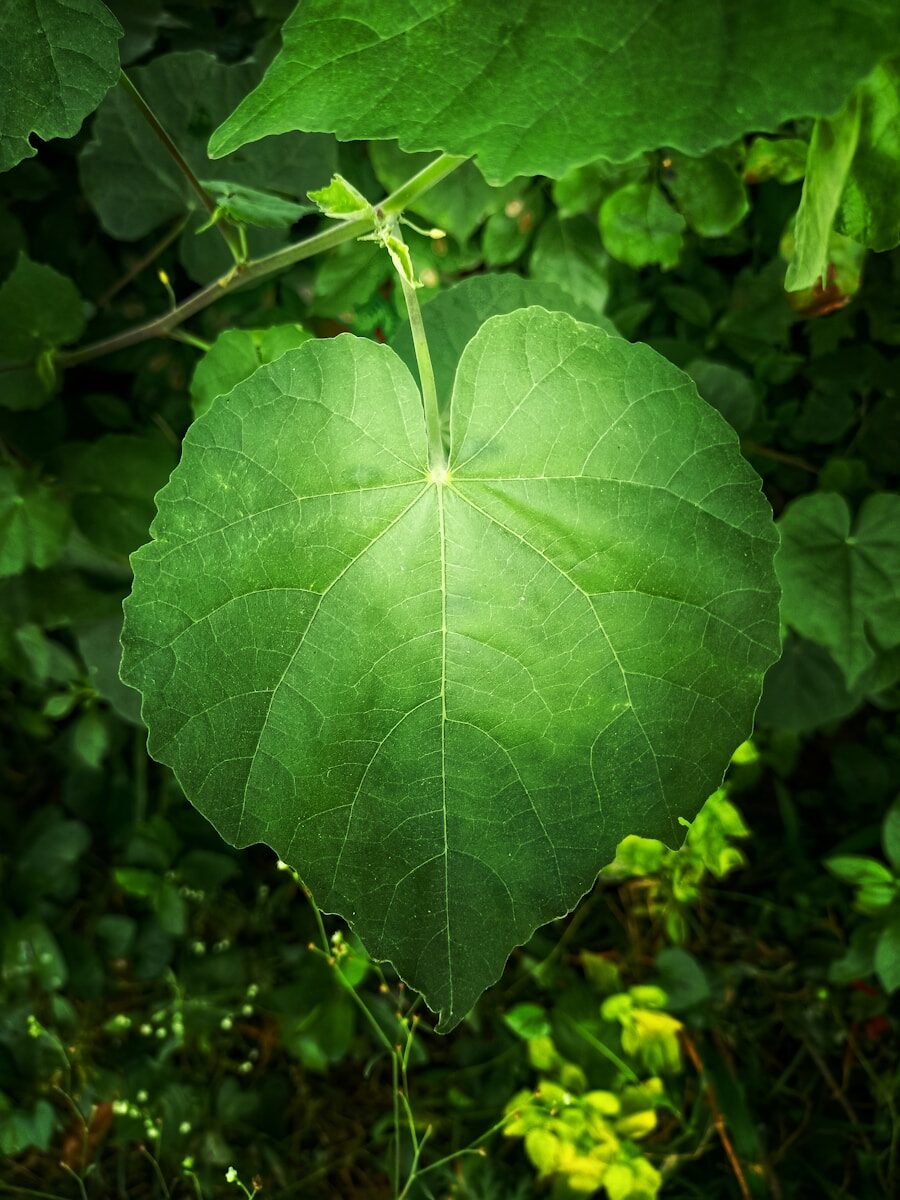
Kava Piper methysticum
Kava is a traditional ceremonial plant from the Pacific Islands, used for thousands of years in preparations made from the root and water, and within that traditional context it has a long track record of relatively safe use. Then in the late 1990s and early 2000s, a wave of hepatotoxicity cases emerged in Europe and North America, prompting bans in several countries and a lot of alarming headlines.
When researchers dug into those cases, most of the cases involved concentrated tablet and capsule extracts, often made with acetone or ethanol solvents rather than water, and frequently using above-ground plant parts rather than the root – which is not how it was traditionally used. Some cases involved people who were also taking pharmaceutical medications that affect the liver, and others involved pre-existing liver conditions. The data points comprised only of traditional water-based root preparation show a considerably safer picture.
The thing is that Kava has this reputation for being almost parallel to alcohol. This brings in another dynamic. People go to Kava bars, they drink the drink to relax, they drink it in excess sometimes. Use like this changes safety risks from medicinal applications and doses. There are still documented cases of idiosyncratic reactions, meaning reactions that occur in some individuals regardless of dose or preparation method, and those are harder to predict. People with liver conditions, people taking hepatotoxic medications, and people who drink alcohol regularly are generally advised to avoid it.
We do need to be careful though calling something a blanket statement of “dangerous” when it’s actually been abused by people extracting, concentrating, and overusing a plant that was used safely for thousands of years by cultures that had respect and long founded relationships with it.
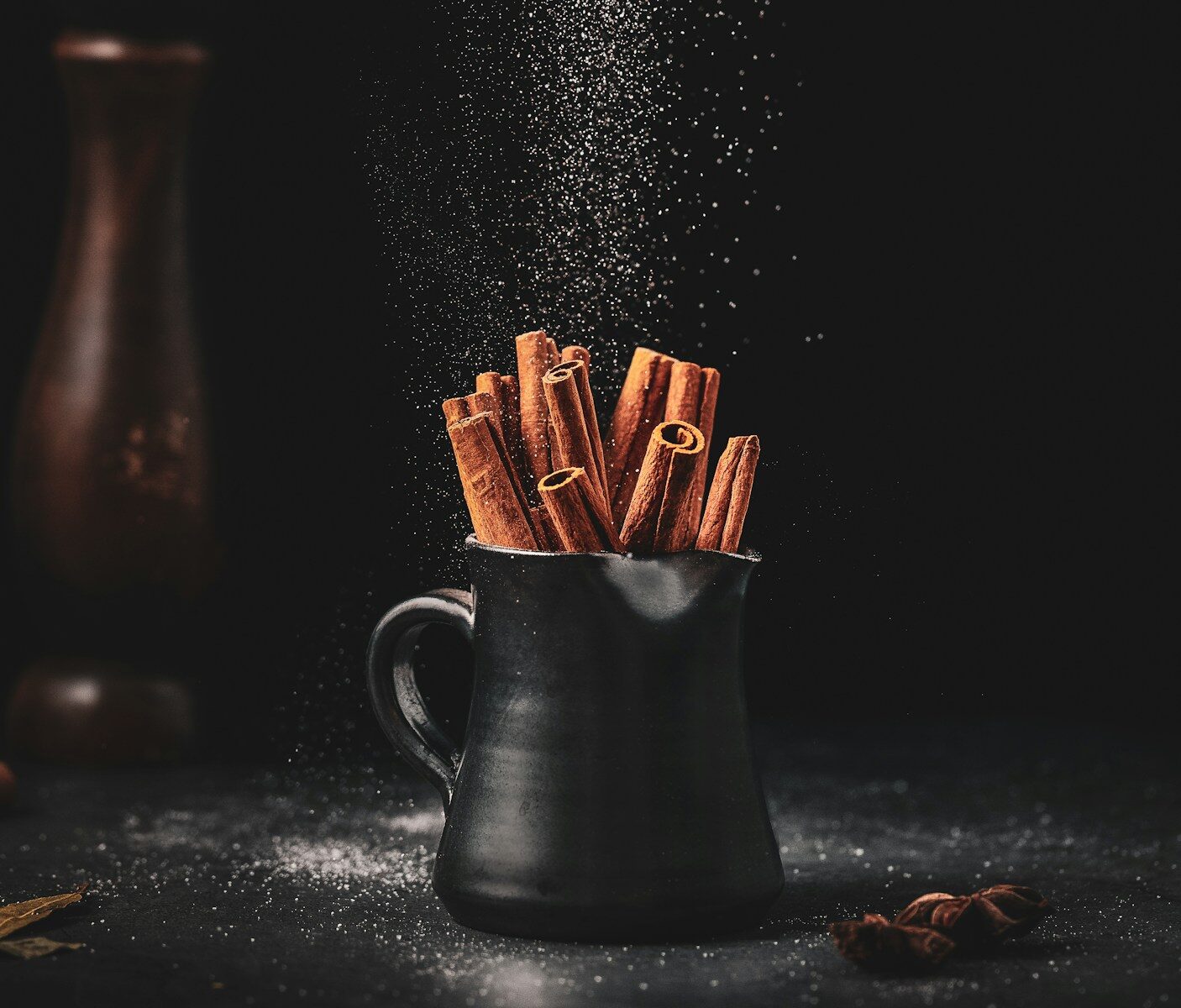
Cinnamon
The cinnamon sold in grocery stores across the US is almost always Cassia Cinnamomum cassia, which contains significant amounts of a compound called coumarin. True cinnamon, Ceylon cinnamon Cinnamomum verum from Sri Lanka, contains almost none. This distinction became a surprisingly heated regulatory issue in Europe, where food safety authorities established a Tolerable Daily Intake for coumarin and found that traditional Swedish and Danish cinnamon buns routinely exceeded it, sparking what the press called “cinnamon-gate.”
A Norwegian food safety study found that small children eating oatmeal topped with cinnamon a few times a week could exceed the TDI several times over. The liver concern is of course nuanced: coumarin-induced hepatotoxicity appears to be dose-dependent and largely reversible, and the people most vulnerable are likely those with specific CYP2A6 genetic variants that shift how the compound is metabolized. That said, high-dose Cassia cinnamon capsules which are often marketed for blood sugar support are probably where you would be at highest risk. For our purposes – looking for Ceylon and keeping doses moderate is the practical way to reduce risk.
A few others worth knowing about
Pennyroyal is one where the safety concern is clear and the mechanism is well understood. The volatile oil contains a compound called pulegone that is directly toxic to liver cells, and the doses that have caused serious harm are most often those used historically in attempts to induce miscarriage. This is not an herb to work with casually, and the essential oil in particular should not be taken internally.
Greater celandine Chelidonium majus has been linked to cholestatic hepatitis, particularly with concentrated extracts. It’s an herb with genuinely useful applications, but dose and preparation matter.
Chaparral Larrea tridentata caused a cluster of serious hepatitis cases in the early 1990s, mostly tied to supplement use, and has largely fallen out of clinical use as a result.
Green tea extract, specifically the highly concentrated EGCG supplements rather than brewed tea, has also been associated with liver injury at high doses. This is a good example of how a preparation form can change the safety profile of something we generally consider benign. We can make any plant into a dangerous substance if we isolate and concentrate it enough.
So what do we actually see harming people?
The factors that most consistently show up in medical case reports are:
- Use of concentrated extract forms rather than traditional preparations:
- Long-term or high-dose use
- Pre-existing liver vulnerability
- Combining herbs with hepatotoxic pharmaceuticals
- Product adulteration
That last one is real: skullcap, for example, has been implicated in some liver injury cases, but a significant number of those cases likely involved products adulterated with germander, a different plant with much clearer hepatotoxicity. Sourcing matters so much. Knowing where your herbs come from, who processed them, and whether a company does third-party testing is a safety concern.
Pharmaceutical damage vs herbal damage
None of this means you need to approach your herb cabinet with anxiety. A cup of well-sourced skullcap tea made by someone who knows what they’re looking at is a very different thing than an unlabeled supplement from a company you’ve never heard of. Most traditional uses of most herbs, at reasonable doses, are not putting your liver at risk. But understanding which plants carry more weight, and why, means you can make genuinely informed choices rather than living in fear or ignorance.
If you have a liver condition, take medications that are processed hepatically (most of them), or are pregnant, it’s worth having a conversation with a knowledgeable practitioner before adding new herbs to your routine. This is good practice, the same way you’d want to know if a food or supplement interacted with something you were already taking.
Plants are powerful – That’s the whole point of working with them, let’s find more ways to work with them with nuance and respect.
Work Together One-on-One
I build custom wellness plans and herbal formulas in 1:1 consults – I look at your health history and we work together to build foundational wellness.