Published
Why How You Take Your Herbs Matters as Much as Which Ones You Choose
There’s a concept in herbalism is really important for understanding whether your herbs are actually doing anything or just passing through. Bioavailability and understanding how to extract and pair your medicinal plants really is the key to unlocking medicinal potential.
Bioavailability refers to how much of something your body can actually absorb and use. It’s not how much you consumed, but how much made it into your bloodstream and got to work. You can swallow a capsule full of a perfectly good herb and have very little of it actually reach the tissues that need it. We can really easily make some small changes in how you prepare or take that same herb and it will dramatically change how much you get out of it.
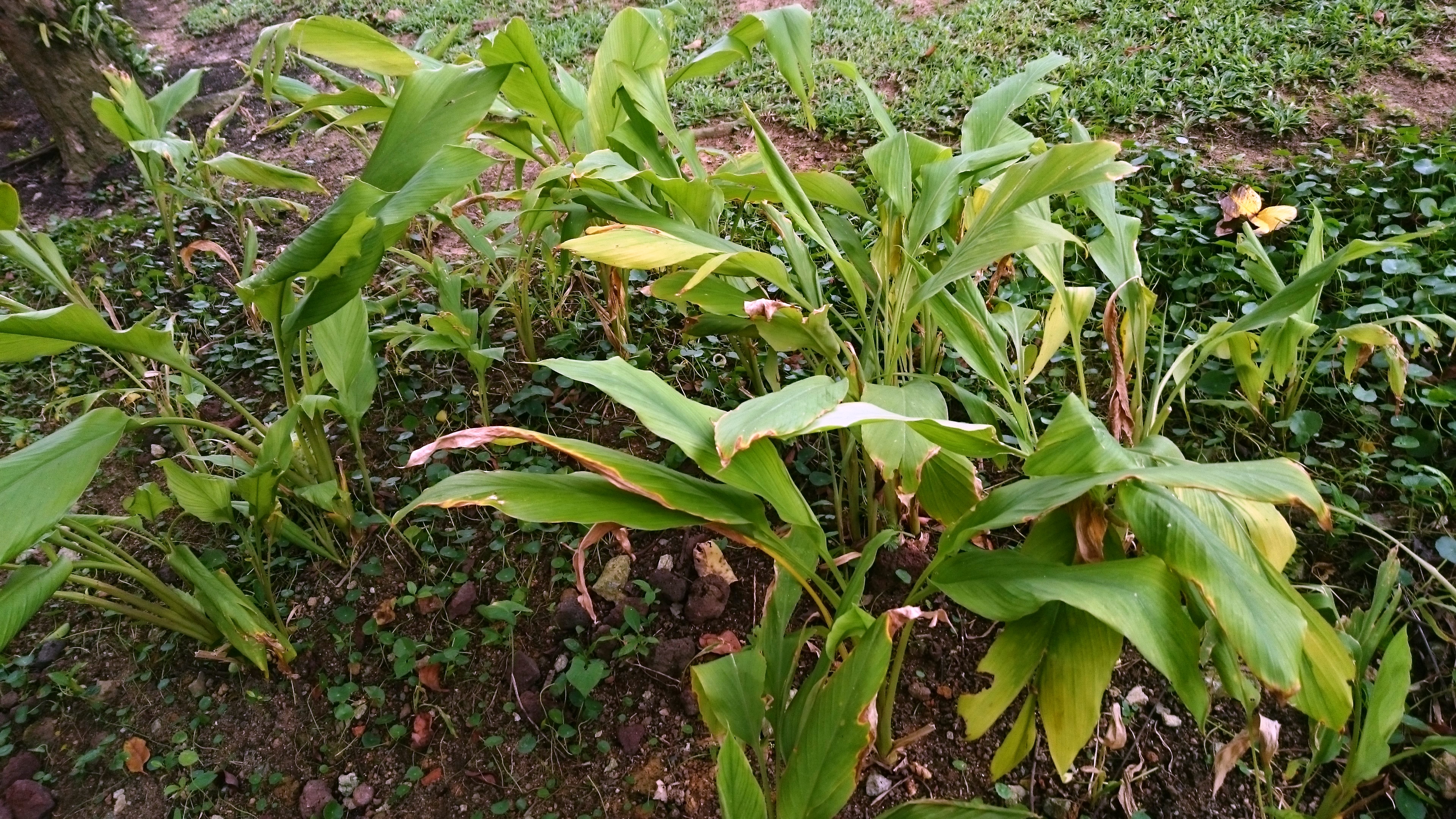
Turmeric is the best Example
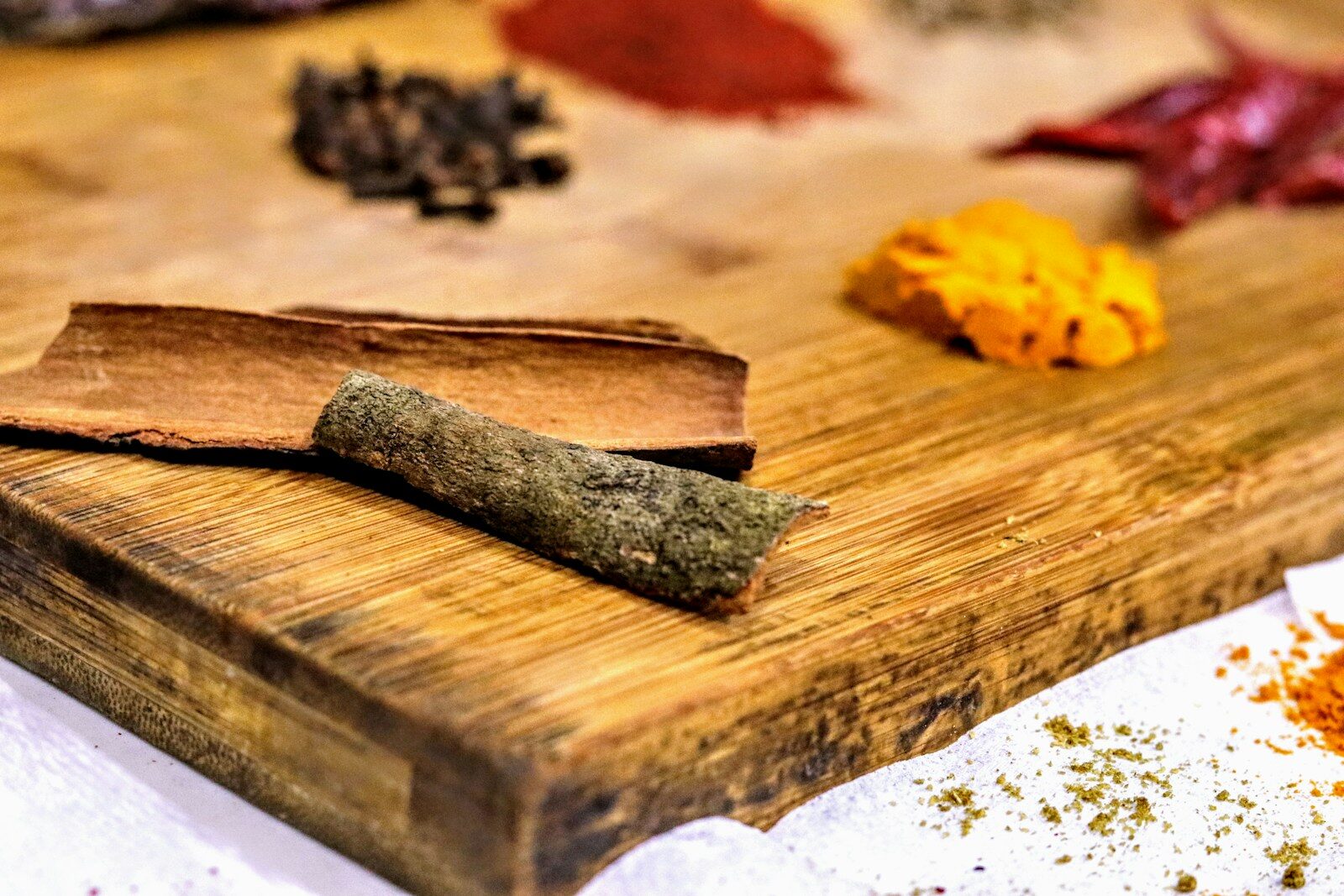
Most people know about turmeric and it’s also probably the most useful illustration of this. The compound in turmeric that most of the research focuses on is curcumin, and curcumin on its own is notoriously poorly absorbed. It moves through the digestive tract quickly, doesn’t dissolve well in water, and most of it exits the body before it has a chance to do much.
Two things change this significantly.
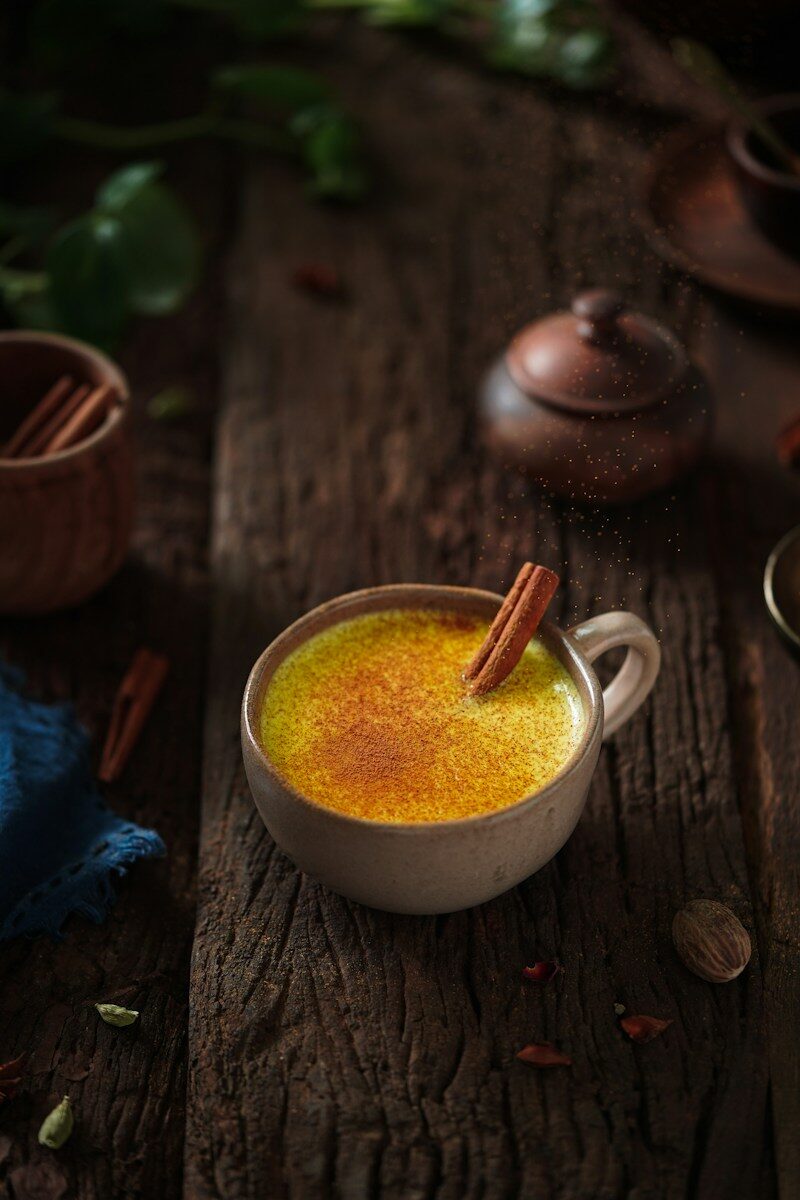
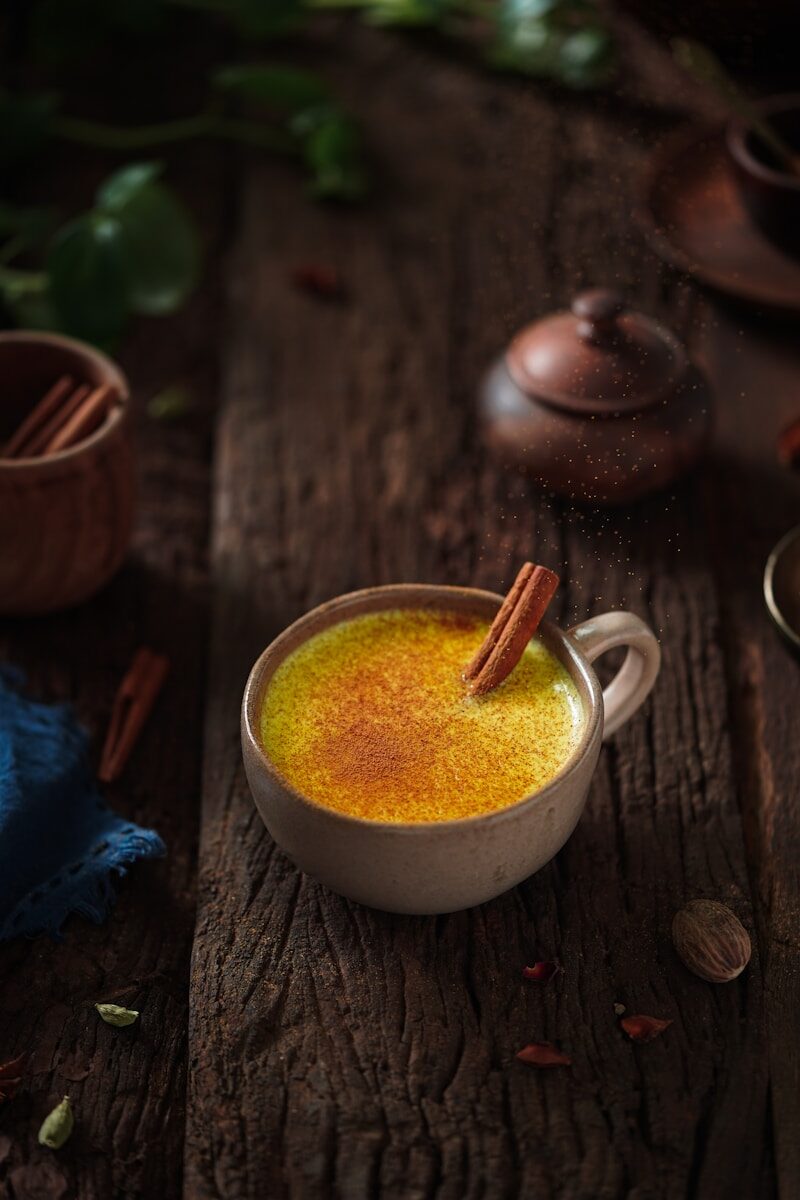
The first is fat. Curcumin is fat-soluble, meaning it absorbs much better when taken alongside a fat source. Golden milk is a traditional way that turmeric is prepared in Ayurveda and it really unlocks turmeric’s potential. A drink made with full-fat coconut milk or whole dairy can really help to unlock the ability for your body to USE the anti-inflammatory benefits of turmeric.
The second is black pepper. Black pepper contains a compound called piperine that slows the metabolism of curcumin in the liver and intestines, keeping it in circulation longer.
The combination of fat and a pinch of black pepper can increase curcumin absorption substantially. This is why high quality turmeric supplements now include piperine, and why the traditional culinary use of turmeric cooked into food with oil and spices was already unlocking this prior to any formalized studies on it.

Water versus alcohol
Different plant constituents dissolve in different solvents. Some are water-soluble and extract beautifully into a tea or infusion. Others are not water-soluble and require alcohol to pull them into a form your body can access.
Ashwagandha is a good example of an herb where both fractions matter. Some of its active constituents extract well in water, others in alcohol. A traditional Ayurvedic preparation called ashwagandha milk, where the root is simmered in warm milk and sometimes with a small amount of fat, was doing something functionally similar to a tincture in certain ways, using fat as a solvent to capture constituents that water alone wouldn’t fully extract.
Tinctures, which are alcohol-based extracts, are often more bioavailable than dried herb capsules for this reason. The alcohol has already done some of the extraction work, pulling constituents into a soluble form that your body can begin absorbing even through the mucous membranes of your mouth before it reaches your stomach. This is part of why herbalists often hold tinctures under the tongue briefly before swallowing.
None of this means teas are inferior
For many herbs, a well-made infusion is exactly the right preparation and captures everything useful.
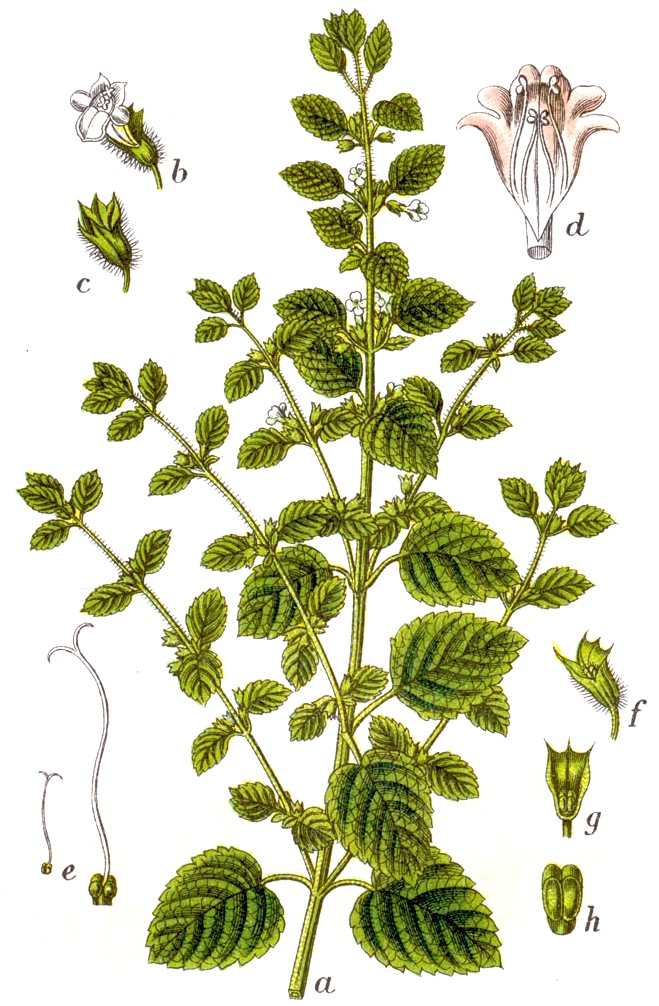
Nervines like lemon balm, oat straw, and passionflower extract beautifully as teas.
Mucilaginous herbs like marshmallow root actually perform better as a cold water infusion than any other preparation, because heat and alcohol both break down the mucilage that is doing most of the therapeutic work.
The point is that there’s no single best method, there’s only the method that best suits the specific herb and what you’re trying to accomplish.
Gut health
This one surprises people – Your digestive system isn’t just a passive tube that absorbs things. The health of your gut lining, the diversity of your microbiome, and how well your body is producing digestive enzymes and bile all affect how much of an herb you’re actually absorbing.
Someone with compromised gut health may absorb significantly less of a given herb than someone whose digestion is functioning well. This is part of why herbalists often pay attention to digestion as a foundation before layering in more targeted support.
Bitters are a practical tool here – just like how bitter helps help you digest food, if there are bitter herbs in your formula it can prime the system for digesting and absorbing the other herbs in the formula as well.
A few simple things you can do differently starting now
- Take fat-soluble herbs like turmeric, ashwagandha, and reishi with a meal that contains fat, or prepare them with a fat-containing liquid. A cup of reishi decoction stirred into warm oat milk is not just pleasant, it’s a better delivery system than a capsule on an empty stomach.
- If you’re using tinctures, hold them briefly under your tongue before swallowing. It doesn’t need to be long. Even thirty seconds allows some absorption through the sublingual membranes.
- Make your infusions properly. That means covering your cup while your tea steeps so volatile compounds don’t escape with the steam, and giving it enough time. Most dried leaf and flower teas benefit from at least fifteen minutes covered.
- For marshmallow root or other mucilaginous herbs, try a cold infusion. Add a tablespoon of the dried root to a jar of room temperature water, let it sit overnight, and strain in the morning. What you get is a thick, slippery, genuinely therapeutic liquid that a hot steep would have partly destroyed.
How you prepare herbs, what you take them with, and the state of your own body all shape what you actually receive from them.
Work Together One-on-One
I build custom wellness plans and herbal formulas in 1:1 consults – I look at your health history and we work together to build foundational wellness.