Published
Long before synthetic rooting powders were packaged in plastic tubs at garden centers, herbalists and gardeners produced homemade rooting tea from fresh spring willow twigs (Salix spp.). Willow water is one of the most effective, accessible plant-based propagation aids available to home apothecaries and medicinal plant growers.
Understanding why willow water works requires looking at two key phytochemical compounds present in high concentrations in young willow bark: indole-3-butyric acid (IBA) and salicylic acid (SA).
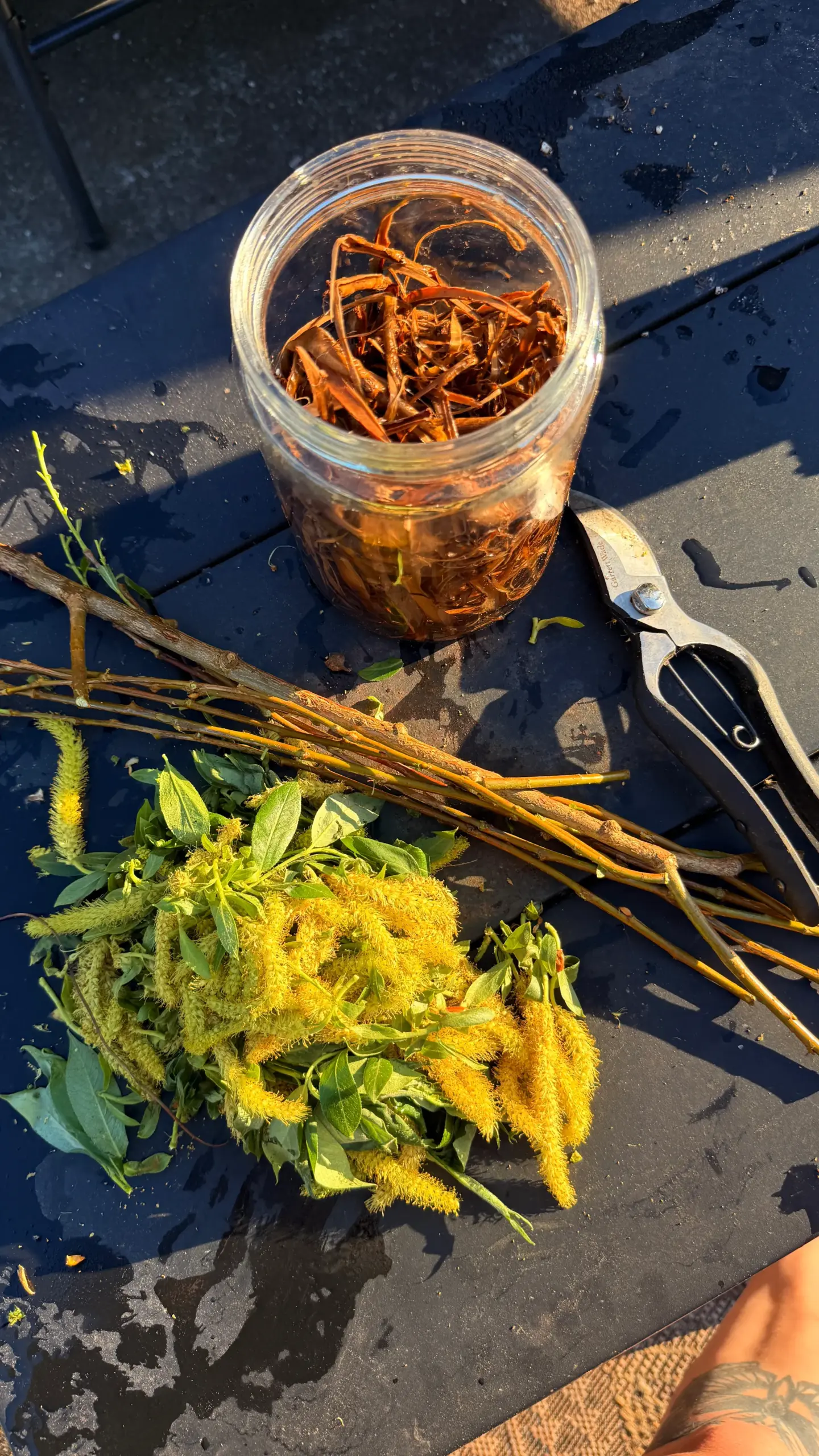
The Science: IBA and Salicylic Acid
- Indole-3-butyric acid (IBA): A naturally occurring plant hormone belonging to the auxin family. Auxins stimulate rapid cell division and direct new root tissue development (adventitious rooting) on stem cuttings.
- Salicylic Acid (SA): A plant defense signal molecule. When a cutting is taken, SA triggers Systemic Acquired Resistance (SAR), preventing bacterial and fungal pathogens from rotting the stem base before roots form.
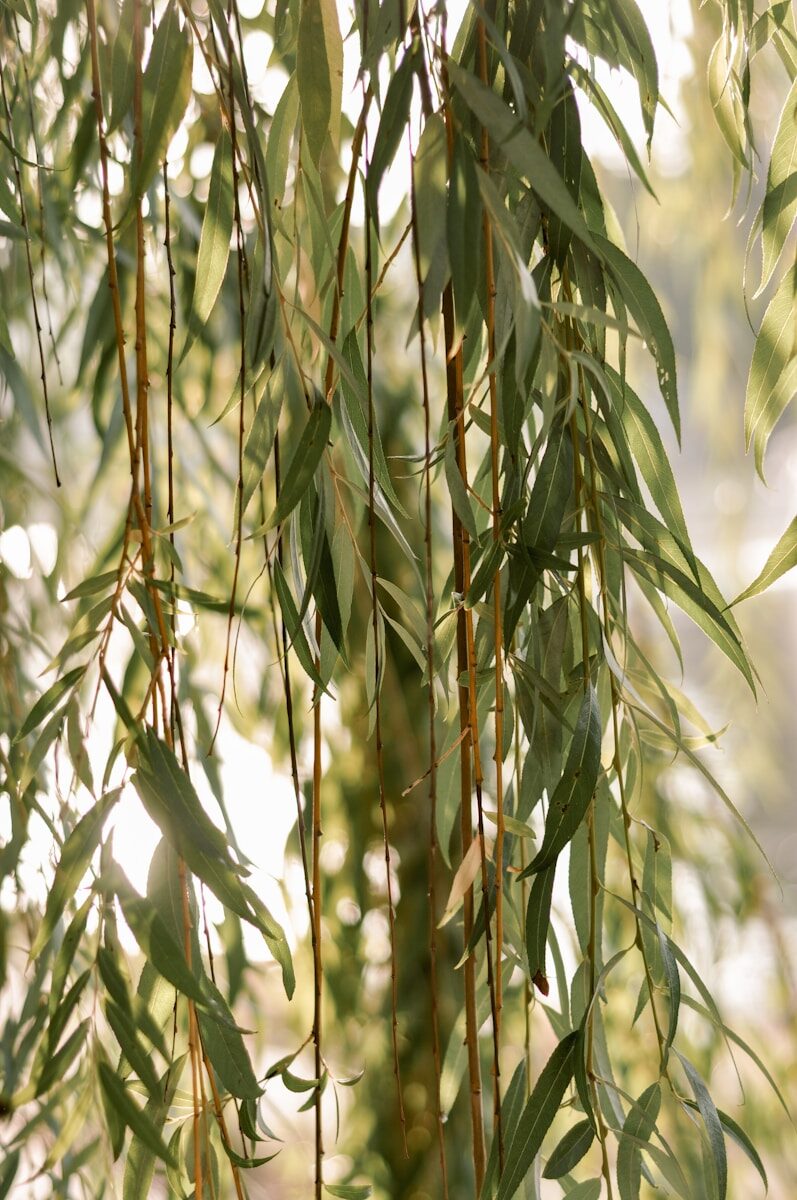
How to Make Homemade Willow Water
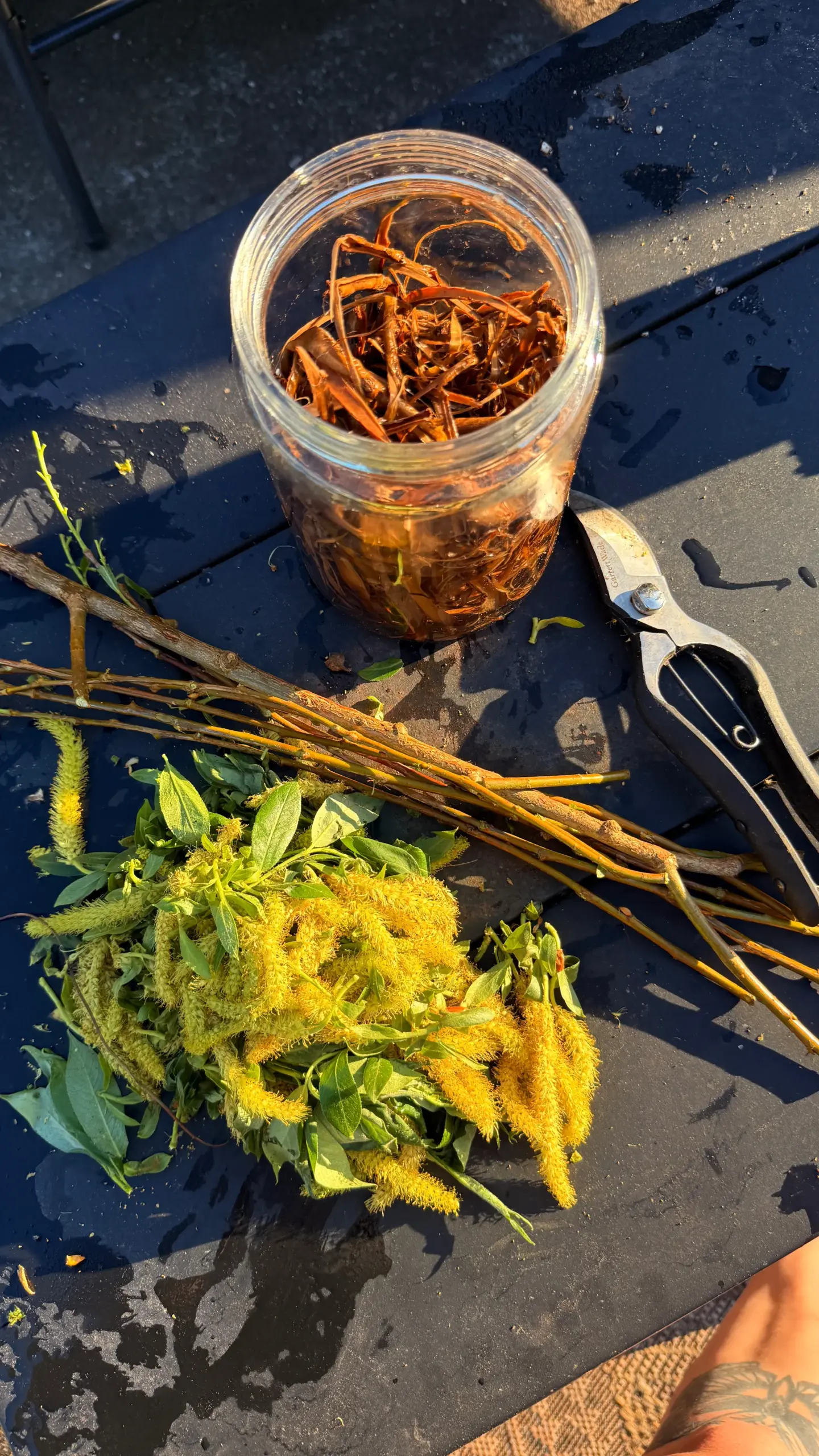
- Harvest Young Twigs: Collect first-year pencil-thin spring shoots from any native willow tree (weeping, black, or Pacific willow).
- Chop into Pieces: Strip leaves and chop stems into 1-2 inch segments.
- Infuse in Boiling Water: Place 2 cups of chopped twigs in a heat-safe glass jar and pour boiling water over them. Let steep covered for 24-48 hours.
- Soak Cuttings: Strain out stems. Soak new medicinal herb cuttings (e.g., Rosemary, Sage, Elderberry, Mint) in the willow liquid overnight before planting into soil.
The Herbarium is a monthly print zine mailed to you – it covers plant history, botany, folklore, and herbalism.