Published
My first birth was a beautiful ordeal ending with my sweet baby born under the full moon at midnight with frogs croaking outside. The hours before that were another matter.
I was on Whidbey Island, planning a home birth. I was running a biodynamic farm at the time and growing all my own food. Labor started and was normal, but after so many hours the endurance of the ordeal started to get the best of me. Around sundown I stopped dilating and actually went backward. My lead midwife was at another birth on a small island. Her assistant Crystal, trained in herbs, brought me a tincture.
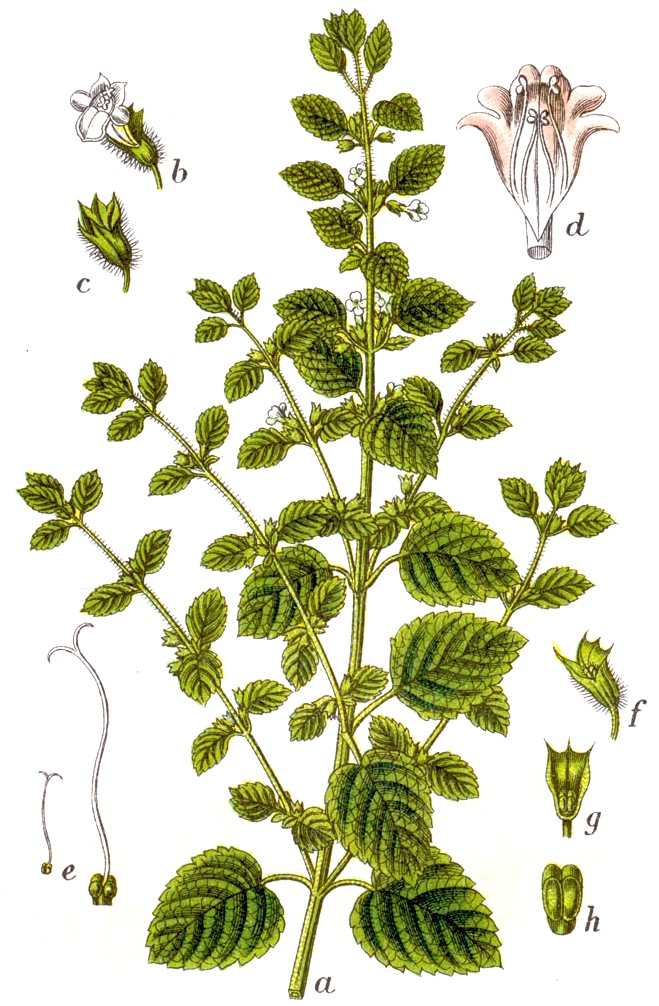
At the time I didn’t know what it was, but later found out it was lemon balm. Not a heroic labor herb. Just lemon balm. It doesn’t stimulate contractions or reduce pain. It’s a gentle nervine, mild enough for children. That common herb was enough to lift me out of the despair and allowed me to keep going. My son was born a few hours later. Little did I know this moment would have a huge impact on the trajectory of my life.
I told this story on Mountain Rose Herbs’ Herbal Radio. You can listen to the full episodes of those here:


Ashwagandha
Withania somnifera
I like myself better on ashwagandha. Ashwagandha is an Ayurvedic adaptogen with over three thousand years of documented use for stress resilience and nervous system regulation. It works on the HPA axis, the system governing how the body responds to sustained stress. With consistent use, the stress response becomes less reflexive. A toddler meltdown lands more manageably. That matters with children because they co-regulate: a child’s nervous system takes cues from the adults around it. When a parent is chronically dysregulated, the child’s system mirrors it. Ashwagandha is as much a parenting tool as it is a personal one. The effect is noticeable within a few weeks of consistent use.
The isolation of modern parenthood is a structural condition, and most of the anxiety I see in clinical practice has isolation underneath it. These plants support the nervous system, the body’s recovery, and the mood, but they work best held alongside some kind of community.
Postpartum Herbs for Recovery
The postpartum body has specific needs that most Western care doesn’t address in depth. The historical traditions of postpartum support, documented across cultures in herbs historically used in pregnancy, were clear about this: recovery after birth required dedicated time and specific plant support. We’ve largely lost that structural container, which means the plants have to work harder.


How I Think About Safety
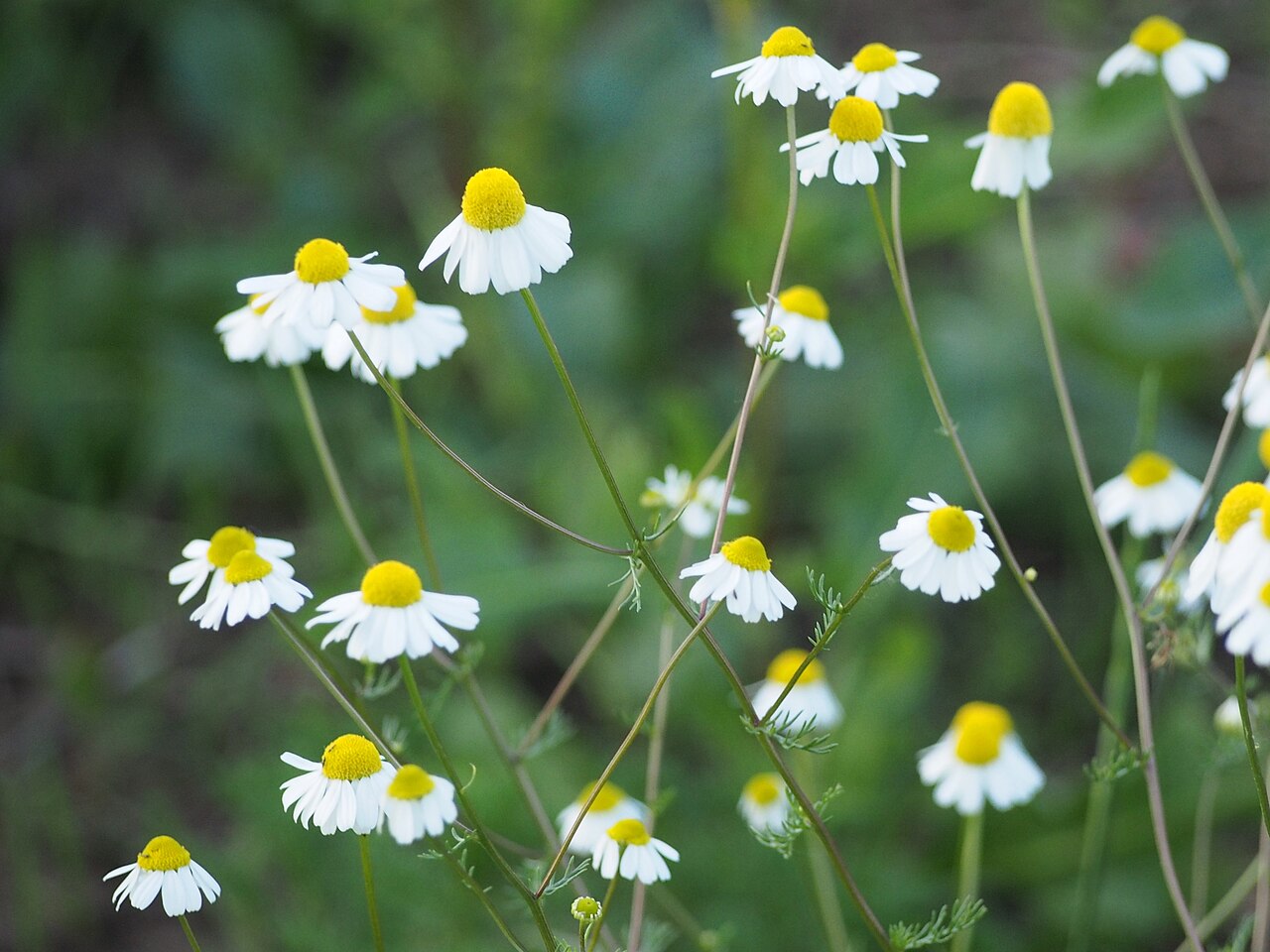
The question I get most in this territory is whether an herb is safe during pregnancy or postpartum. My approach looks at two things: the phytochemistry of the plant and documented historical cultural use, meaning a century or more of recorded use by communities with developed herbal traditions, specifically including pregnant and nursing people. The absence of a clinical trial is not evidence of harm. For a specific example of how this reasoning plays out in practice, my post on chamomile in pregnancy walks through the methodology step by step.
Frequently Asked Questions
What are the most useful postpartum herbs for recovery?
Yellow dock and blackstrap molasses rebuild iron stores. Crampbark addresses after-pains. Lemon balm, milky oat tops, and skullcap support nervous system continuity. Ashwagandha taken consistently builds stress resilience across the postpartum period. The right combination depends on birth history, breastfeeding status, and current symptoms.
Is lemon balm safe during pregnancy and breastfeeding?
Lemon balm (Melissa officinalis) has a long documented history of use during pregnancy and postpartum, including to calm a nursing infant through breastmilk. It has a low phytochemical risk profile and is well-tolerated across doses. Tincture form has a faster onset than tea.
What is blue vervain used for in herbalism?
Blue vervain (Verbena hastata) is used for acute anxiety and nervous system overwhelm. Its extreme bitterness activates the vagus nerve and interrupts the anxiety response by grounding the nervous system back into the body. It works best in tincture form, taken undiluted.
How does ashwagandha help with the demands of parenting?
Ashwagandha supports HPA axis regulation, which governs how the body responds to sustained stress. Regular use reduces nervous system reactivity. Because children co-regulate through the adults around them, a more regulated parent directly affects a child’s nervous system.
Where can I hear the full Mountain Rose Herbs podcast episodes?
The episode on herbs and postpartum support: Herbal Radio: Motherhood, Herbs to Grow Your Family. The “what herb changed your life?” episode: Herbal Radio: Herbalist Answers.
Can herbs help with postpartum mood changes?
Yes. Nervines like lemon balm, skullcap, and milky oat tops support mood stability and reduce the frayed quality of nervous system overwhelm. Adaptogens like ashwagandha and tulsi address the underlying stress load. This is distinct from clinical postpartum depression, which warrants care from a provider alongside herbal support.
Work Together One-on-One
I build custom wellness plans and herbal formulas in 1:1 consults – I look at your health history and we work together to build foundational wellness.