Published
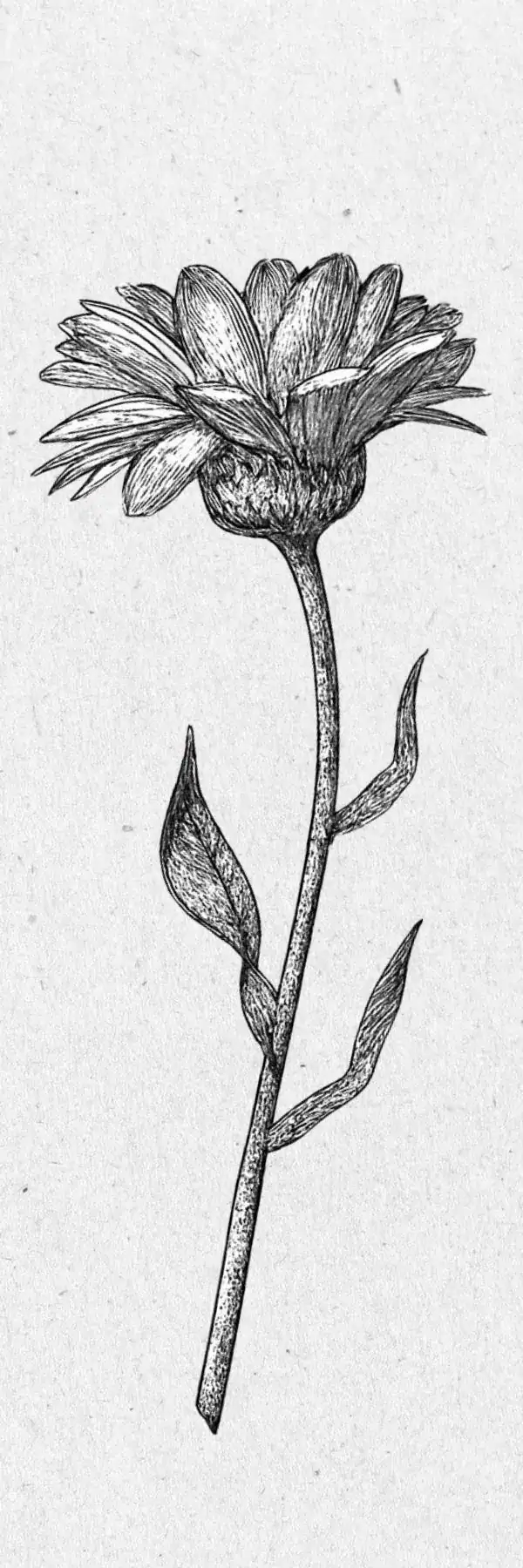
Calendula is one of the most consistently useful medicinal plants you can grow. Almost everyone can benefit from Calendula in one way or another.
Plant Characteristics & Garden Use
Calendula officinalis is an annual that readily reseeds and often persists in the same garden space for years. It tolerates a wide range of soils, prefers sun to partial shade, and continues flowering under conditions that slow down many other herbs. From a planning standpoint, it works well companion planted into vegetable beds, along borders, or in containers where frequent harvesting is easy. It can serve like pot marigold to aid with aphids.
Medicinal Constituents & Actions
The medicinal action of calendula is concentrated in the flower heads, particularly the resin-rich sepals (the little green petal like parts under the flower). When fresh flowers are handled, the sticky resin is immediately apparent. This resin contains triterpenoids, flavonoids, carotenoids, and volatile compounds that account for calendula’s anti-inflammatory, vulnerary, and antimicrobial effects. These are not abstract properties. They are visible in how calendula supports tissue repair and calms inflamed or compromised skin.
Topical Uses
Topically, calendula is most often used for wounds that are slow to heal, irritated, or prone to infection. This includes minor cuts, abrasions, burns, rashes, chapped skin, and post-procedural care. It supports granulation and epithelial repair without being overly drying or aggressive, which makes it appropriate for children, sensitive skin, and repeated use.
Internal Use
Internally, calendula has a history of use for lymphatic stagnation and inflammatory states of the digestive tract. Traditional European sources describe its use when swelling, heat, or chronic irritation are present. Its bitter and aromatic qualities as well as soothing and healing benefits contribute to gentle digestive work, while its affinity for the lymphatic system makes it useful when congestion and slow tissue turnover are part of the picture. These effects tend to be cumulative and are better suited to ongoing support than short-term intervention.
Harvesting & Preparation
From a harvesting perspective, calendula responds best to regular picking. Flowers should be harvested on dry days once surface moisture has evaporated. Cut so you retain the full flower head and sepals for best resin content. For oil infusions, either fully dried flowers or slightly wilted fresh flowers reduce the risk of spoilage. Calendula infuses readily into oil, producing a stable, richly colored extraction well suited for salves, creams, and balms.
If you want to work with Calendula in oil infusions check out my Salve Making guide.
The Herbarium
The Herbarium is a monthly print zine mailed to you – it covers plant history, botany, folklore, and herbalism