Published
Herb Garden Planning: How to Design a Medicinal Herb Garden You Will Actually Use
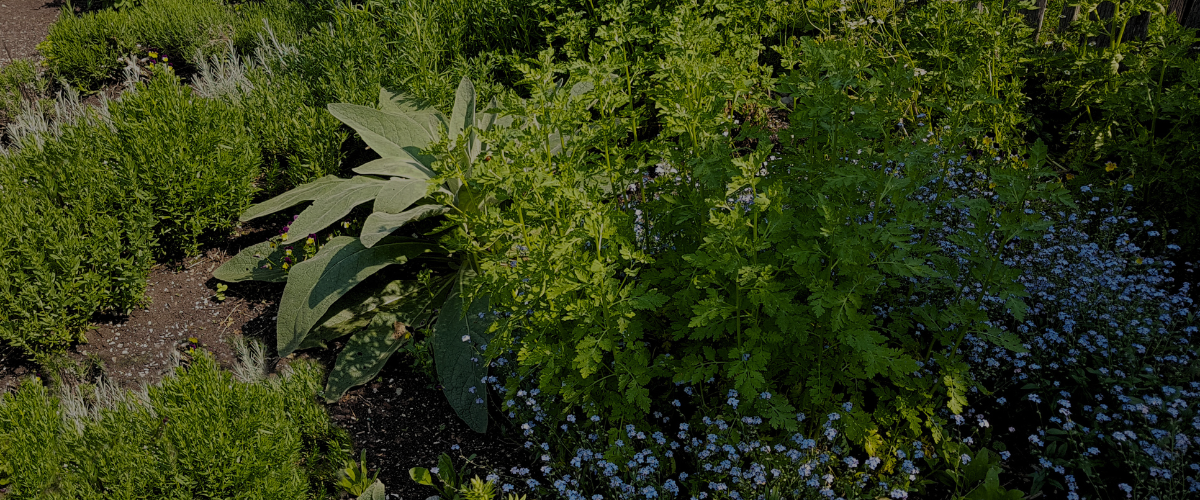
Every spring I see the same thing happen. People get inspired, buy a long list of medicinal herbs, and they either don’t grow, or just become a chaotic mess with lots of herbs spreading where you didn’t intend or you feel like you are stuck with a layout you didn’t really plan out well. A medicinal herb garden works best when it is planned around how you live, how you move through your space, and what you realistically want to harvest and use.
Whether you are planting in raised beds, containers, or a small patch of ground, thoughtful planning of your herbs can provide you with a garden that supports your health and looks beautiful. These are the top things I have learned to consider when planning a medicinal herb garden, both in my own space and with clients.

1. Grow herbs you will actually use
This sounds obvious, but it is the most common place people go wrong. Medicinal herb gardening does not need to be about collecting as many plants as possible. It is about building a relationship with a small group of herbs that fit your body, your household, and your habits.
Start by asking simple questions. Do you prefer teas, tinctures, or topical remedies? Are you supporting digestion, sleep, stress, immunity, or skin health most often? If you never make teas, a garden full of delicate leaf herbs that require frequent harvesting may not be realistic. If you love topical care, resinous and aromatic plants may make more sense.
A smaller garden made up of herbs you use regularly will get harvested, tended, and appreciated far more than an impressive but impractical collection.

 2. Grow herbs that work in your space
Medicinal herbs are resilient, but they are not interchangeable. Sun exposure, soil depth, drainage, and airflow matter more than people expect. A plant that thrives in open ground with full sun will behave very differently in a container on a shaded deck.
Before choosing plants, take time to observe your space. Notice where the sun hits in the morning versus the afternoon. Pay attention to areas that stay damp or dry out quickly. If you are working with containers, remember that they heat up and dry out faster than in-ground beds.
Choosing herbs that match your actual conditions reduces maintenance and increases medicinal quality. Plants grown in appropriate conditions tend to be stronger, more aromatic, and more resilient, which matters when you are growing for medicine rather than appearance.

 3. Think carefully about perennials versus annuals
One of the most important planning decisions is how permanent you want your garden to be. Perennial medicinal herbs offer long-term stability, but they also claim space year after year. Annuals give you flexibility, but they require replanting and more seasonal attention.
Perennials are best placed where you are confident they can stay for several years without needing to be moved. Many develop deep root systems and do not appreciate being disturbed. Annuals are ideal for rotating through beds, filling gaps, or experimenting with new plants as your interests change.
If you like to rearrange your garden often or expect your needs to shift, leave yourself room to adapt. A mix of long-term anchor plants and flexible seasonal herbs tends to work best for most home gardeners.
A medicinal herb garden does not need to be perfect or complete in its first year. It should be responsive to your life. Gardens evolve as you learn what you reach for, what thrives, and what quietly fades into the background. Good planning creates a garden that supports your health without demanding constant attention. When your garden works with your habits instead of against them, it becomes a source of nourishment rather than another obligation.
If you want guidance on choosing herbs, designing layouts, and planning gardens that actually fit real life, I share seasonal tips and workshop announcements through my newsletter. Subscribe to get alerts for upcoming medicinal herb gardening workshops and practical planning guidance.
Keep an eye out this spring for The Herb Garden Planning Course – A distillation of my years of growing medicinal herbs in my personal gardens
The Herbarium
The Herbarium is a monthly print zine mailed to you – it covers plant history, botany, folklore, and herbalism