Published
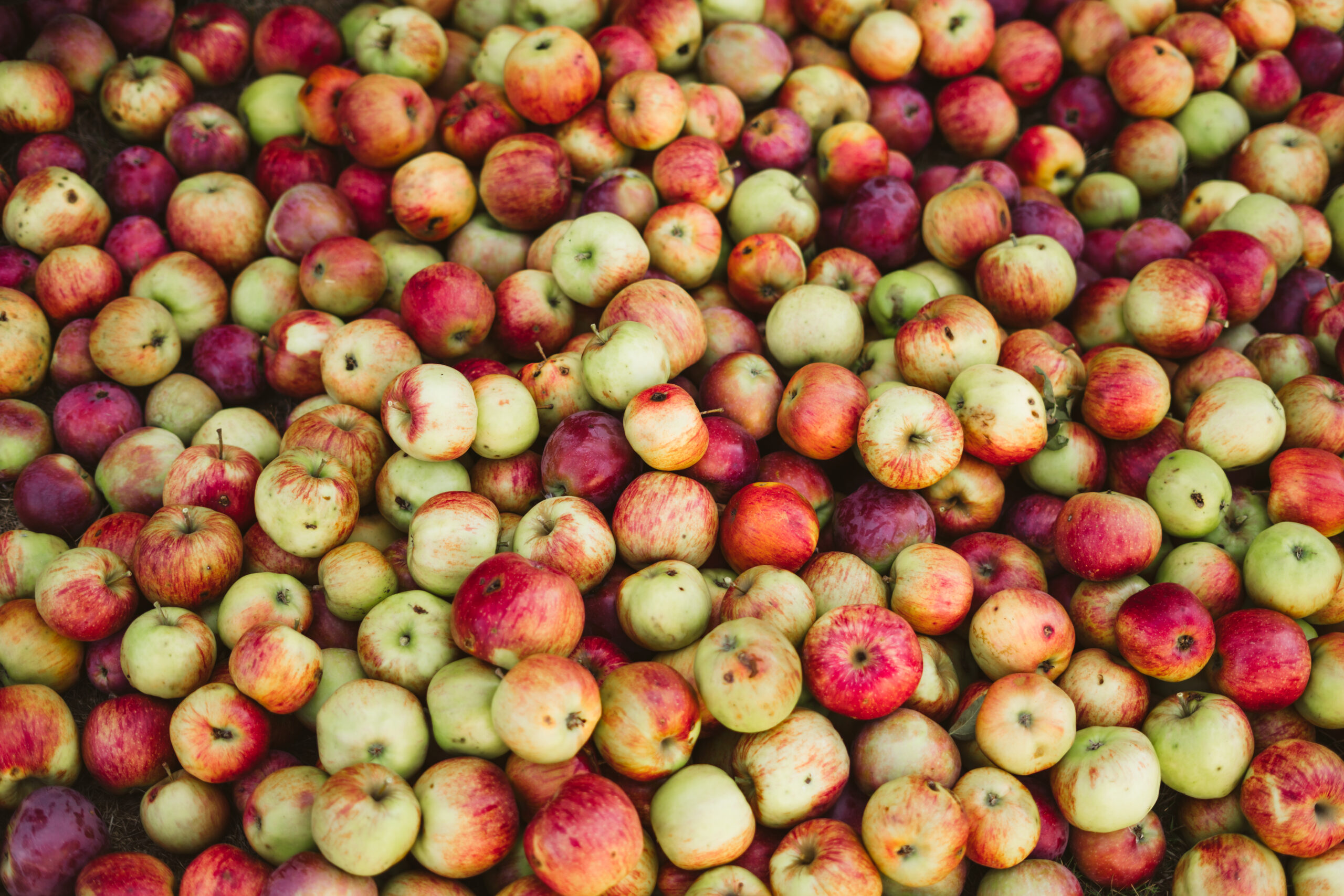
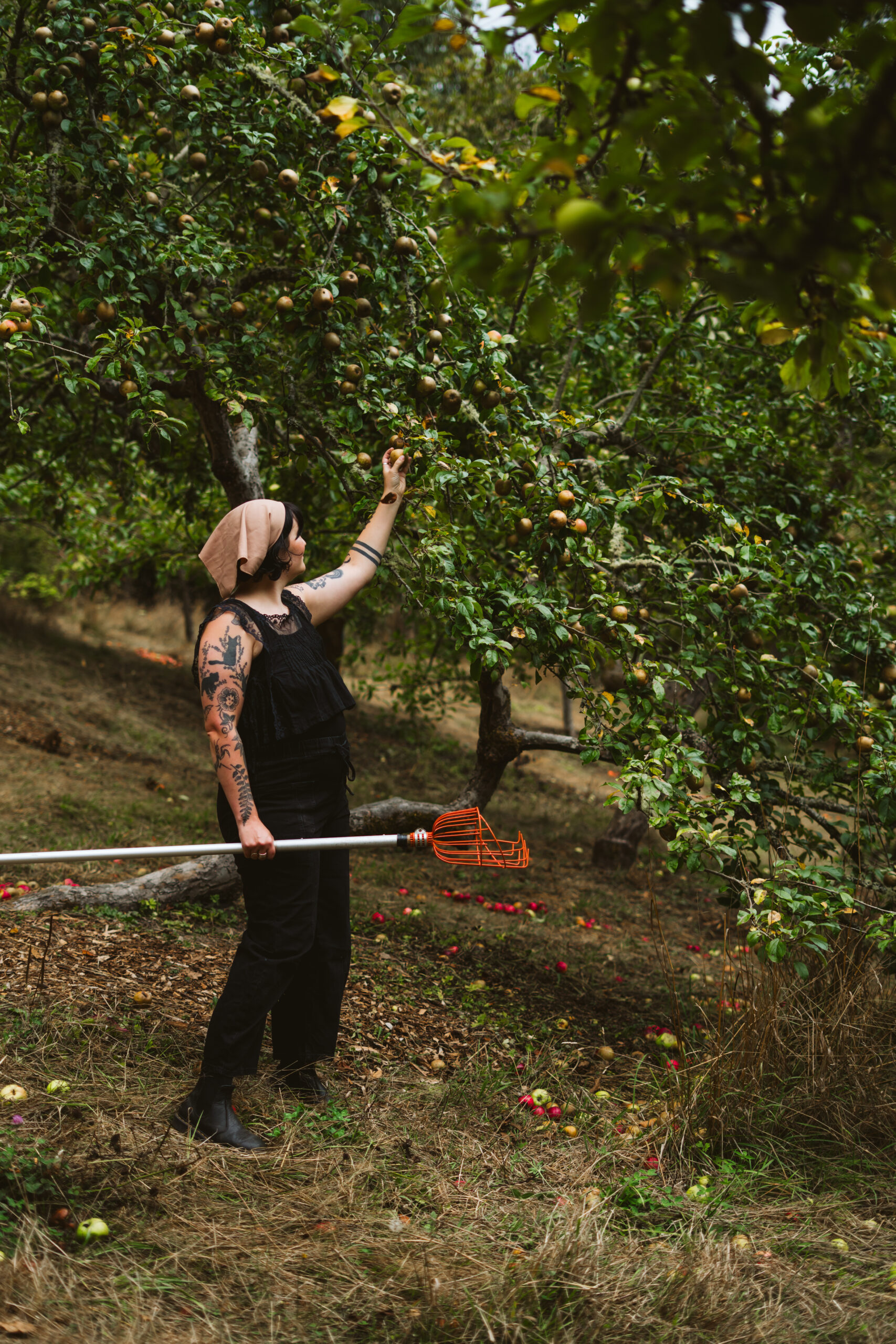
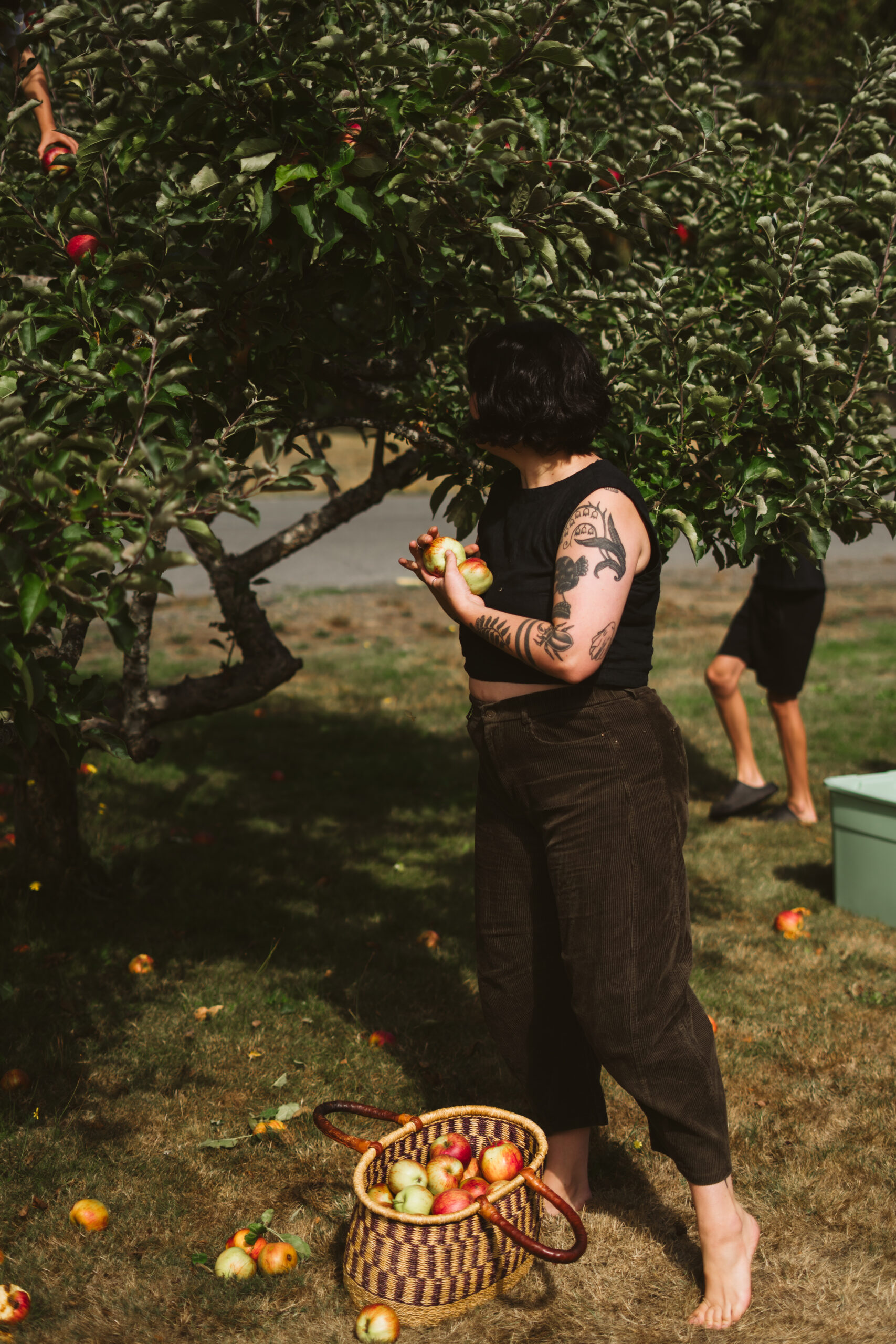
There is an old story told about apples in the Pacific Northwest, a regional quietism, half-myth, half-botany. When the homesteaders came over the Naches Pass in the 1850s, trailing cattle and canvas-topped wagons, they carried pippins in their pockets. Not for eating fresh, mostly; the fruit of seedling apples is wild, astringent, and erratic. They brought them for cider, for vinegar, for the winter cellar, and because a property line marked by five bearing trees felt more permanent than a wooden stake driven into the glacial till.
Today, if you walk the old overgrown fence-lines along the Puyallup or up in the Skagit Valley, you can still find those trees. They are massive now, gnarled by a century of moss and wet salt air, their trunks hollowed out by wood-decay fungi, yet still producing fruit every October. They persist long after the houses have fallen into the nettles and the families have scattered.
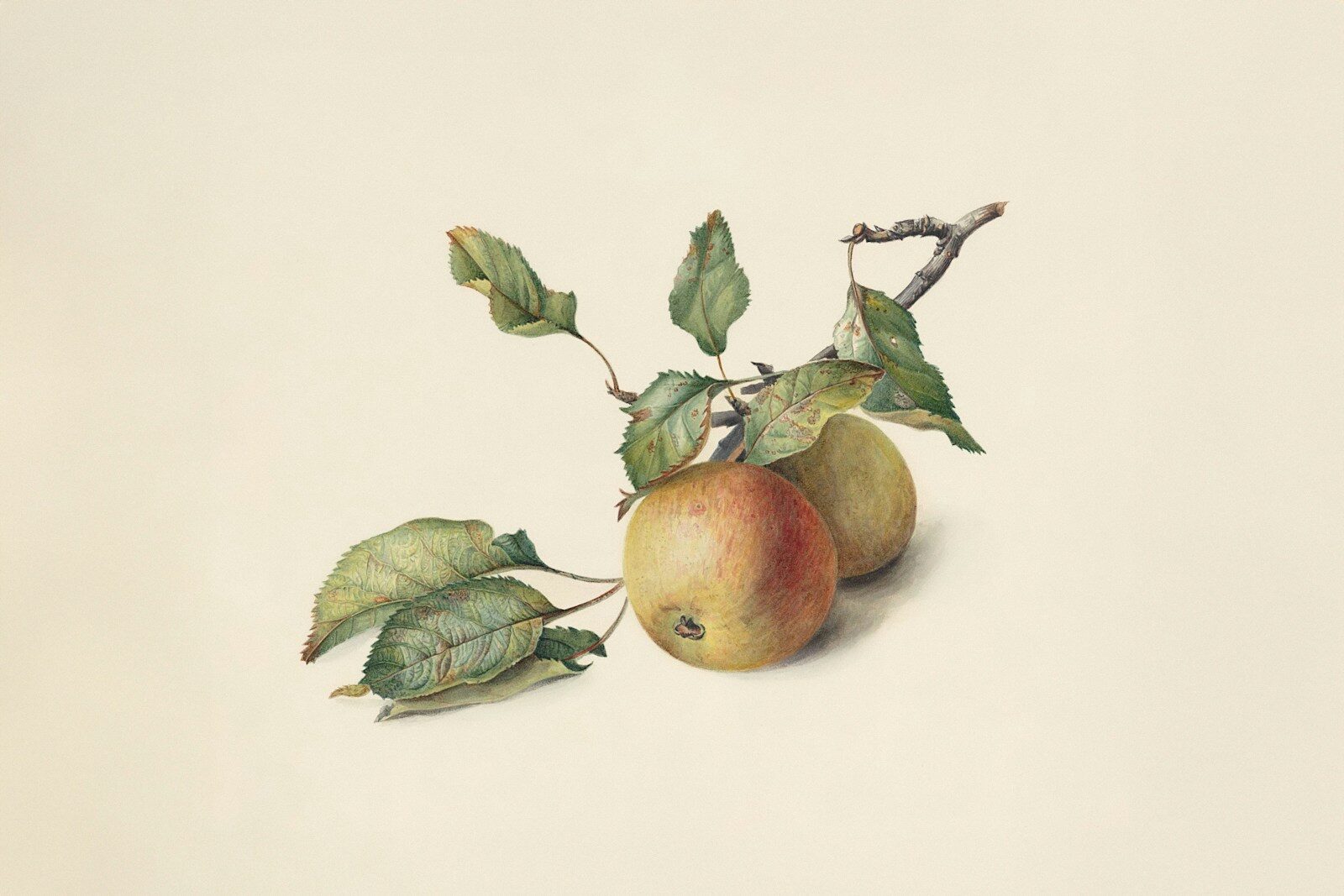
To an herbalist, the apple (Malus domestica) is an ancient, patient ally, one so familiar we often forget it is medicine at all.
The Medicine of Pectin and Polyphenols
In modern Western herbalism, we talk a lot about expensive, exotic adaptogens and imported roots. But the apple holds some of our most effective daily therapeutics, particularly for the gut, the microbiome, and systemic inflammation.
The primary active constituent in the apple’s structural wall is pectin, a soluble fermentable fiber. When pectin reaches the lower gastrointestinal tract, the gut microbiota ferments it into short-chain fatty acids (SCFAs), predominantly acetate, propionate, and butyrate. Butyrate is the primary energy source for colonocytes (the cells lining your colon) and plays a crucial role in maintaining mucosal integrity, reducing intestinal permeability (“leaky gut”), and down-regulating inflammatory cytokines.
Beyond pectin, apples are rich in quercetin, a potent flavonoid concentrated in the peel. Quercetin acts as a natural mast-cell stabilizer, inhibiting the release of histamine and leukotrienes. For clients dealing with seasonal allergies, histamine intolerance, or chronic low-grade inflammation, incorporating stewed whole apples (peel on) into a daily protocol provides a food-based bioflavonoid foundation.
Stewed Apples as a Clinical Protocol
In practice, one of my favorite simple interventions for digestive recovery, especially post-antibiotics, during acute gastroenteritis flare-ups, or for sluggish bowel motility, is stewed apples with aromatic spices.
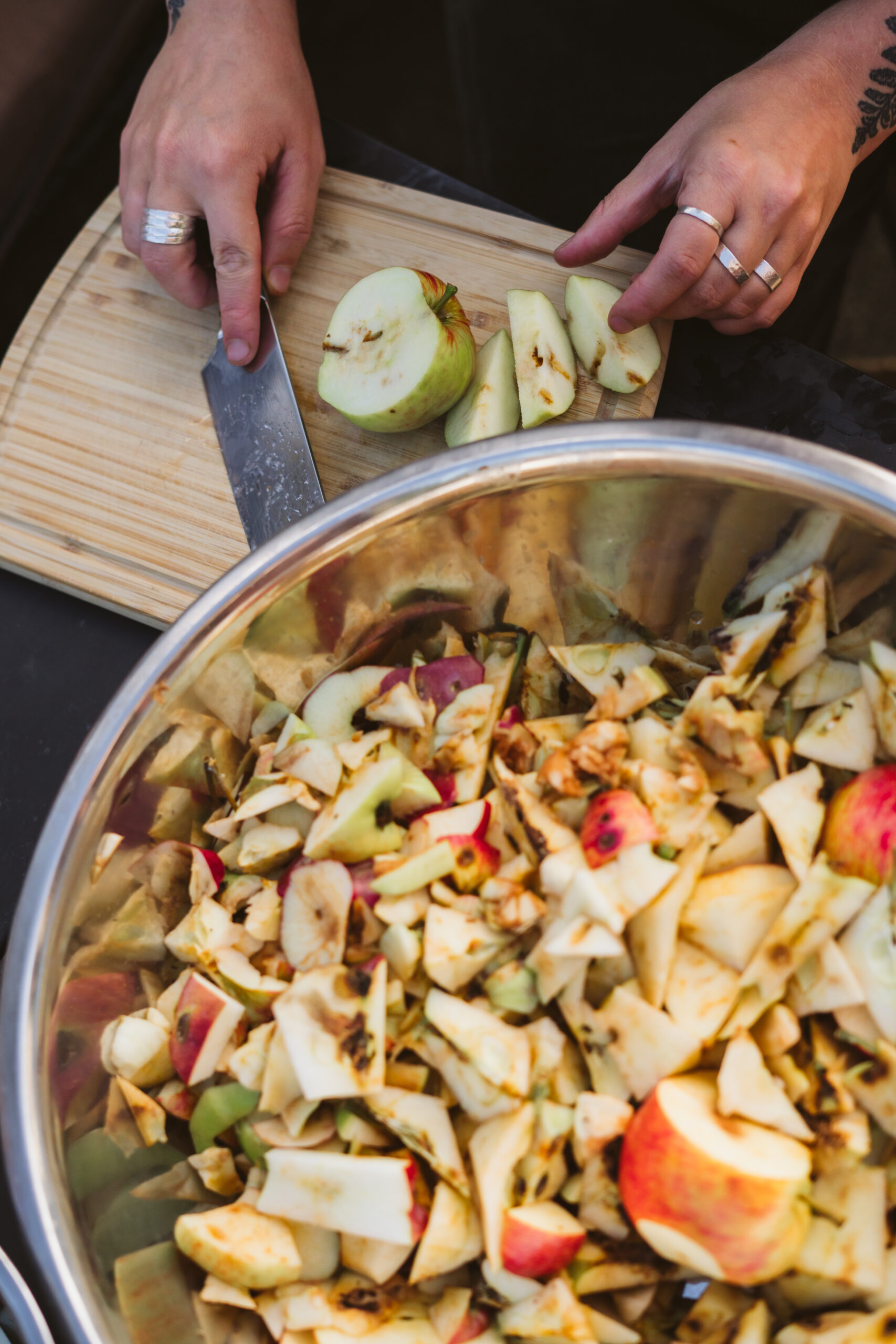
Cooking apples breaks down the insoluble cellulose walls and releases pectin into a gel-like, easily digestible matrix that coats and soothes irritated gut mucosa. Adding warming carminative herbs like cinnamon, clove, and ginger enhances circulation to the pelvic bowl and aids motility.
Simple Stewed Apple Reciprocation
Ingredients:
- 4 organic tart apples (e.g., Granny Smith or Pippin), cored and chopped into 1-inch cubes (leave skin on)
- 1/2 cup filtered water
- 1 tsp Ceylon cinnamon powder
- 1/2 tsp fresh grated ginger
- 1 pinch sea salt
Directions: Combine all ingredients in a small saucepan over medium heat. Cover and bring to a simmer. Reduce heat to low and let cook for 12-15 minutes until the apples are soft and translucent at the edges, forming a light glaze. Eat warm, 1/2 cup twice daily on an empty stomach or stirred into morning oats.
The Apple in Folklore & Herbal Tradition
Long before molecular biology isolation of quercetin, the apple sat at the center of northern European ethnobotany. In Norse myth, Idunn guarded the golden apples that preserved the eternal youth and vitality of the gods. In Celtic lore, Avalon was the Emain Ablach, the Isle of Apples, a place of healing, rest, and otherworldly restoration.
Traditional herbalists knew intuitively that the autumn apple crop was a crucial bridge between the fresh abundance of summer and the stagnant cold of winter. Eating fresh apples in October cleared the heat and dryness of summer, while fermented cider and vinegars preserved vital organic acids through the long winter months.
The Herbarium is a monthly print zine mailed to you – it covers plant history, botany, folklore, and herbalism.