Published

When to Harvest Ginkgo
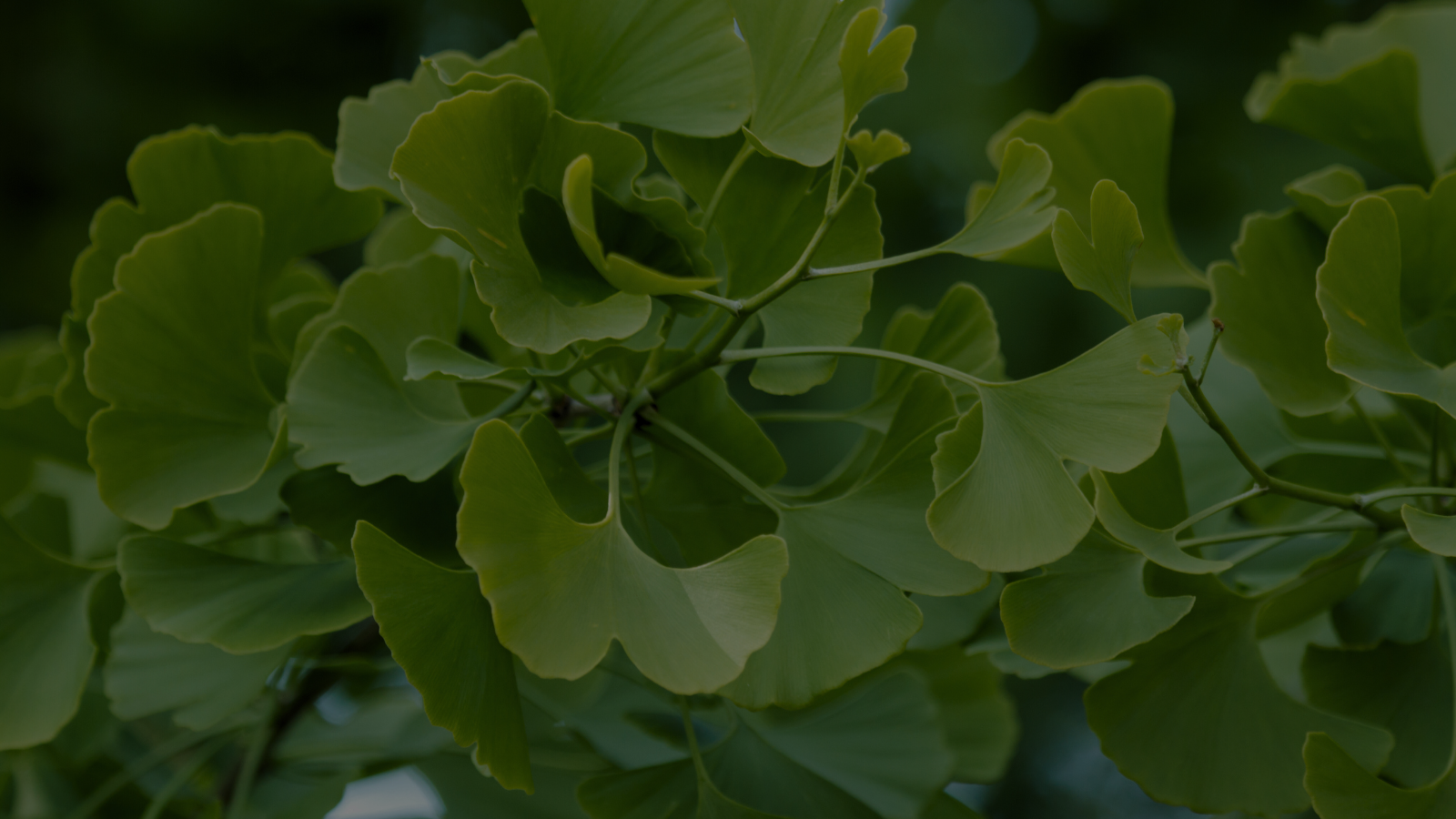
Each autumn, ginkgo trees turn entire city blocks gold. The fan-shaped leaves fall all at once, carpeting the ground in light. For herbalists, this marks the moment when Ginkgo biloba, one of the world’s oldest surviving tree species, is most concentrated in medicinal compounds.
The Ginkgo lineage goes back over 200 million years, predating flowering plants. Fossilized ginkgo leaves have been found alongside dinosaurs. It is the last living member of a plant group that once spread across prehistoric forests, that survived ice ages, extinctions, and now…urban development. The ginkgo’s persistence is one of its defining traits. A few trees even survived the atomic bombing of Hiroshima, leafing out again the following spring. That resilience shows in the medicine it offers.
In herbal medicine, ginkgo leaves are known for improving circulation, especially to the brain, eyes, and extremities. The plant contains a range of flavonoid glycosides and terpene lactones, including ginkgolides and bilobalide, compounds that act as antioxidants and microcirculatory enhancers. Ginkgo has been shown to increase blood flow in capillaries, improve oxygen delivery, and protect nerve cells from oxidative damage. Traditionally, it has been used for memory support, poor concentration, cold hands and feet, vertigo, and tinnitus.
In Europe, standardized ginkgo extracts are widely prescribed for cognitive decline and early-stage dementia. In Chinese medicine, ginkgo leaves were used for centuries as a lung tonic and to address cough and asthma. The seeds, known as *bai guo*, were used in small quantities for respiratory and urinary conditions. (note that the seeds are edible and can be found at some asian grocery stores, but need to be properly prepared). The leaves actually only became more common in medicine in recent history, gaining popular use after Western pharmacognosy began analyzing their active components in the twentieth century.
The timing of harvest is important for potency. Ginkgo’s chemical profile changes throughout the growing season. In spring and summer, the leaves are rich in chlorophyll, and their medicinal compounds are still developing. As daylight shortens, the tree begins to draw nutrients back into its wood, and the leaves shift from green to bright yellow. This is when the flavonoids and terpene lactones reach their peak concentration. If you harvest too early, and the medicine is weak. Harvest too late, after the leaves have browned and started to fall, and those compounds begin to degrade.
The ideal moment is right before the tree starts to turn yellow but before the first hard frost. The leaves should still feel flexible, not brittle. Depending on your climate, this window typically falls between late September and early November. Choose a dry day to reduce mold risk.
Dry the leaves in a single layer out of direct sunlight with good airflow. Avoid heat drying, which can cause oxidation and loss of potency. Once fully dry, store them in glass jars away from light and moisture. Well-dried ginkgo keep their color and a faintly resinous scent.
If you plan to gather the seeds, wear gloves. The soft outer pulp contains butyric acid, which can irritate the skin and has an unpleasant odor. Inside is a pale nut traditionally roasted or used in soups in East Asia, but it must be cooked thoroughly and eaten sparingly due to trace neurotoxic compounds that can build up if consumed in large quantities.

Ginkgo is often described as a “living fossil
” It literally survived the disappearance of the dinosaurs, adapted to new climates, and eventually found its way into temple courtyards across China and Japan, where it was planted for longevity and protection from fire. Modern botanist believe almost all Ginkgo trees today descend from those temple Ginkgo trees. From there, it spread westward through botanic gardens, arriving in Europe in the seventeenth century. Today, ginkgo trees can be found in many urban environments – chosen for their beautiful fan leaves and resilient nature.
Medicinally, ginkgo remains one of the best-studied plant medicines in modern research. Clinical studies have explored its role in cognitive function and it’s hopeful that this can aid cognitive decline in elder patients, It’s also been studied for it’s benefits in peripheral artery disease, and vascular headaches. Some evidence shows it can help stabilize mood and reduce anxiety, particularly in older adults, though it is not a quick remedy and needs to be worked with regularly for these effects. Ginkgo also acts as a mild platelet aggregation inhibitor, so it should be used cautiously with blood-thinning medications. It should also be noted that these effects are recorded after use with standardized extracts not home harvested leaves. My personal experience with home harvested leaves though is excellent cerebral circulation – clearer cognition and decreased headaches.
The Herbarium
The Herbarium is a monthly print zine mailed to you – it covers plant history, botany, folklore, and herbalism