Published
Cold stratification
Is the process of exposing seeds to a period of cold, moist conditions to break dormancy and trigger germination. Many perennial and woodland medicinal plants evolved in climates with pretty intense winters, and their seeds are biologically programmed not to grow immediately when they are exposed to moist soil and light. Instead, they wait through winter soil conditions before responding to the warmth and light of spring – this is a defense mechanism to make sure they only germinate when the time is right.
You may also hear this referred to as vernalization. Technically, vernalization often describes the cold exposure required for flowering in mature plants, but the terms are frequently used interchangeably in gardening spaces. What matters most is understanding that some seeds need a cold interval before they will reliably sprout.
For medicinal gardeners, this step is worth planning for. Many herbs are not fast annuals. They require some extra steps early on, but the result is stronger germination rates and more reliable seedling success.
I find that most annuals do not require this, but many perennials do. When we think about evolutionarily why – the perennials are already thriving plants that come back each year, they can afford for their seeds to wait until conditions are right, they are playing the long game. VS Annuals who need to easily sprout and get the fastest start in order to reach reproductive maturity by the end of the season to make seeds for next year are sort of trigger happy and will happily sprout forth if you give them good conditions.
Below are several effective methods for cold stratification, along with medicinal herbs that tend to benefit most from each approach.
Paper Towel Method
 The paper towel method is one of the most accessible ways to stratify seeds and is the one most people are used to. It’s especially useful when working with small quantities or higher-value seeds where you want to be able to visually monitor them.
- Moisten a paper towel so it is evenly damp but not dripping.
- Spread the seeds across the surface, fold the towel, and place it inside a labeled plastic bag or sealed container.
- Store it in the refrigerator, ideally between 34 and 40°F.
- Most medicinal herbs respond well to about 30 days of cold exposure, though some species benefit from longer periods.
Check the towel weekly to ensure it remains lightly moist. If roots begin to emerge, plant immediately to prevent damage during removal (they can grow into the paper towel and be hard to remove)
These seeds often germinate more evenly after a controlled cold period, and the ability to monitor them closely reduces the risk of loss.
Sand Stratification
 Damp sand creates a stable environment around the seed coat by distributing moisture evenly while still allowing airflow. This significantly lowers the risk of fungal growth compared to heavier media and is a method commonly used by small farms and native plant growers.
- To prepare – mix seeds into clean, slightly damp sand (I usually use light colored reptile sand you can find at the pet store).
- Use a very small amount of sand as you will have to either sift out seeds or just plant the whole batch and hope seeds are distributed throughout – this is why a small amount is essential.
- When squeezed, the sand should briefly hold its shape before crumbling apart – think kinda like that kinetic kids sand.
- LABEL well – this is really important
- Place the mixture into a sealed container or bag and refrigerate for the recommended period.
- When stratification is complete, sow the sand and seed mixture directly across a tray.
I have also used this method when I didn’t have 30 days and needed to mimic a freeze and thaw period over just a week or so. This is more risky but I have had good results by taking this sand mixture and alternating freezer and fridge daily for a week or two.
Choose this method when starting larger quantities or when you want a lower-maintenance process that does not require frequent checking.
Ice Cube Method (Two ways)
The ice cube method mirrors what happens naturally during late winter snowmelt. As ice melts slowly, it delivers deep moisture while maintaining low soil temperatures, helping signal to the seed that seasonal change is underway.
- Place seeds on prepared soil and set an ice cube directly over the planting area.
- As it melts, the seed is gently drawn into the soil surface without being buried too deeply.
- This can be repeated several times if you want to create a more intense cold period simulation.
This approach works particularly well for gardeners who prefer direct sowing and want to avoid managing refrigerator space.
Ice Cube Method Two
- Place seeds in ice cube trays with water and freeze
- Plant seeds directly outside into the ground
The biggest risk is assuming all seeds tolerate freezing. Many medicinal herbs need cold conditions but not deep freeze. Seeds from Mediterranean or warmer climates can be damaged by prolonged freezing and may lose viability altogether.
Another concern is rot. If soil is already saturated and temperatures remain low, seeds may sit in excessive moisture before they are ready to germinate.
I really like this method though for seeds with a hard seed coat and it’s especially well suited for germinating poppy species.
Other seeds that often perform well with this method:
- Larkspur
- Nigella
- Yarrow
- Some milkweeds
- Lupine
Freezing Soil Cubes
 Some woodland medicinals evolved in regions where the ground repeatedly froze and thawed. Freezing soil cubes can help fracture tougher seed coats, improving water penetration once temperatures rise and shortening germination timelines for species known to be slow.
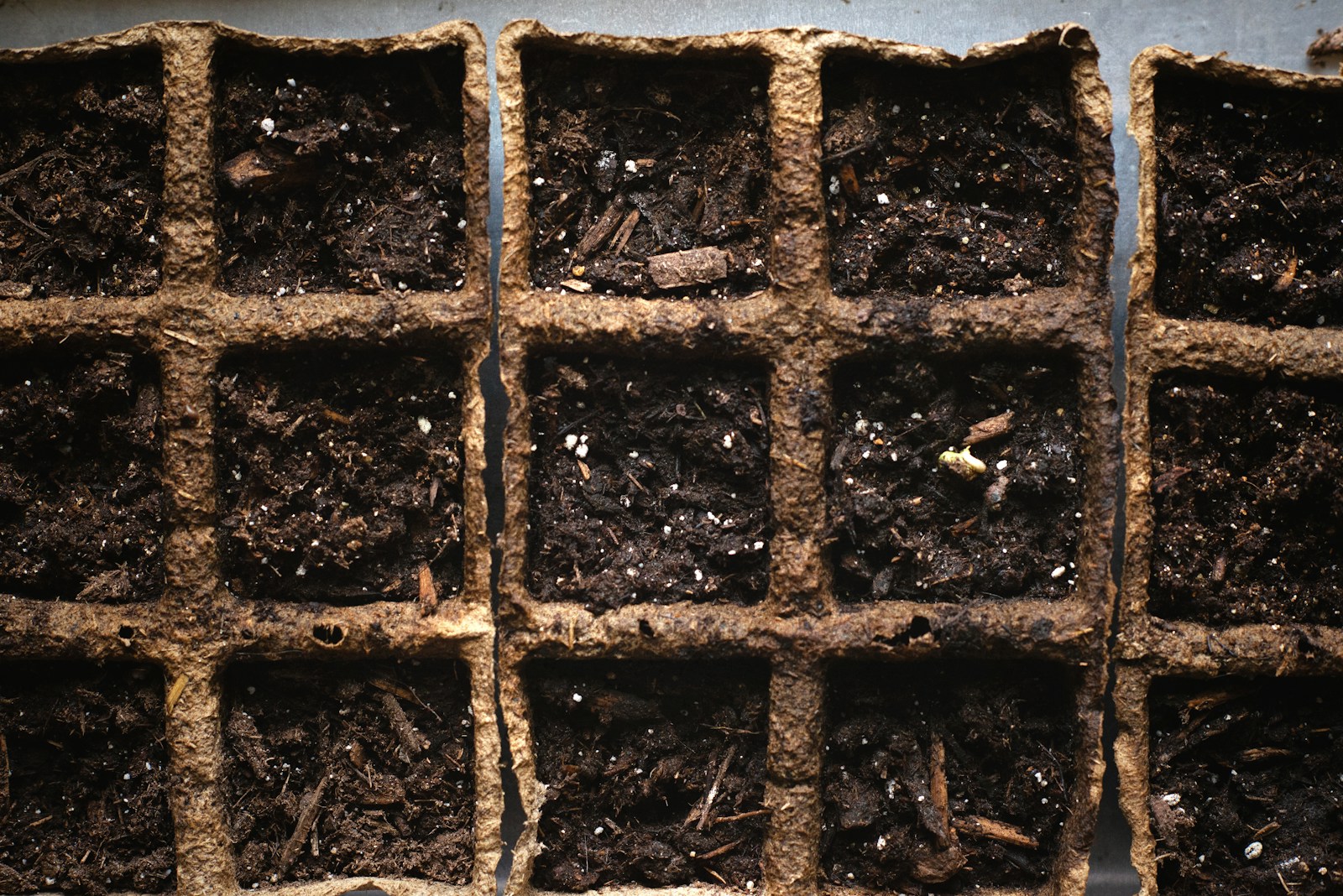
- Fill an ice cube tray with seed-starting mix – I like to use a really small square ice cube tray so I know where the seeds are in each cell
- Place seeds and water lightly.
- Label well – this may require tape on the sides of the tray
- Freeze the tray until solid, then put a lid on them or put into a plastic bag and store them in the freezer for several weeks.
- When ready, place the cubes directly into trays or garden beds and allow them to thaw naturally.
I had really great results with this last year and will be repeating again this year for a short freeze period – it was so easy just to pop the seeds out of their little cubes and plant directly into my seed starting cells. The soil is a bit safer than directly freezing water
It is important to note that many seeds require cold, not extreme cold. When guidance is unclear, refrigeration is typically safer than prolonged freezing.
Choosing the Right Method
- Small or high-value seeds tend to do well with the paper towel method because it allows for close monitoring
- If you are short on time try the sand freeze/thaw method to shorten down your timeline to 1-2 weeks but be aware that the freezer could damage some seeds
- Bulk sowing often favors sand for ease of sprinkling out – some people actually put the sand in a salt shaker and shake into beds.
- The ice cube methods are great for direct sowing
A Useful Pattern to Remember when deciding whether to stratify, plant ecology is often a better guide than seed packet instructions.
Stratification Guide
| Herb | Stratification Need | Notes |
|---|---|---|
| Truly Required - Very low or delayed germination without cold stratification | ||
| American ginseng (Panax quinquefolius) | Required | Complex dormancy; may take 1+ year to germinate without full cold/warm sequence |
| Goldenseal (Hydrastis canadensis) | Required | Woodland medicinal with deep dormancy |
| Black cohosh (Actaea racemosa) | Required | Needs prolonged cold and gradual spring warming |
| Blue cohosh (Caulophyllum thalictroides) | Required | Complex dormancy cycle; woodland species |
| Bloodroot (Sanguinaria canadensis) | Required | Relies on leaf litter insulation and cold/warm cycle in nature |
| False unicorn root (Chamaelirium luteum) | Required | Woodland medicinal; complex dormancy |
| Mayapple (Podophyllum peltatum) | Required | Extended dormancy; slow to establish |
| Spikenard (Aralia racemosa) | Required | Prolonged cold needed; woodland native |
| Trillium species | Required | Often requires double dormancy (cold-warm-cold); very slow |
| Jack-in-the-pulpit (Arisaema triphyllum) | Required | Complex cycle; may take 1+ year without proper sequence |
| Strongly Benefit - Will sometimes germinate without stratification, but results are far more reliable with cold exposure | ||
| Echinacea species | Strongly Beneficial | Improves speed, uniformity, and tray success |
| Valerian (Valeriana officinalis) | Strongly Beneficial | Without stratification, sprouting is often sporadic over many weeks |
| Angelica (Angelica archangelica) | Strongly Beneficial | Short-lived seed viability; cold stratification helps significantly |
| Elecampane (Inula helenium) | Strongly Beneficial | Temperate climate species; predictable winter cycle improves results |
| Arnica (Arnica montana) | Strongly Beneficial | Mountain species; naturally experiences cold before spring |
| Meadowsweet (Filipendula ulmaria) | Strongly Beneficial | Germination more uniform with cold period |
| St. John's wort (Hypericum perforatum) | Strongly Beneficial | Light-sensitive seed; cold treatment tightens sprouting window |
| Skullcap (Scutellaria lateriflora) | Strongly Beneficial | Native woodland species; responds well to stratification |
| Great blue lobelia (Lobelia siphilitica) | Strongly Beneficial | Cold stratification markedly improves germination rate |
| Milkweed (Asclepias species) | Strongly Beneficial | Germination erratic without cold treatment |
| Joe-Pye weed (Eutrochium species) | Strongly Beneficial | Native prairie/meadow species; benefits from natural winter cue |
| Culver's root (Veronicastrum virginicum) | Strongly Beneficial | Surface sow; stratification improves reliability |
| Short Cold Period Helpful - Not strictly necessary, but a 1–3 week cold period can improve germination percentage and tighten the sprouting window | ||
| Marshmallow (Althaea officinalis) | Mildly Beneficial | Not deeply dormant; scarification can substitute |
| Lovage (Levisticum officinale) | Mildly Beneficial | Especially helpful for older seed stock |
| Anise hyssop (Agastache foeniculum) | Mildly Beneficial | Will often germinate freely; cold period tightens results |
| Catnip (Nepeta cataria) | Mildly Beneficial | Easy germinator overall; cold helps uniformity |
| Lemon balm (Melissa officinalis) | Mildly Beneficial | Surface sow; light-dependent germinator |
| Sorrel (Rumex acetosa) | Mildly Beneficial | Germinates well without cold; brief period improves older seed |
| Burnet (Sanguisorba minor) | Mildly Beneficial | Hardy and reliable; cold treatment a bonus not a requirement |
| Sweet cicely (Myrrhis odorata) | Mildly Beneficial | Fresh seed germinates more readily; cold helps stored seed |
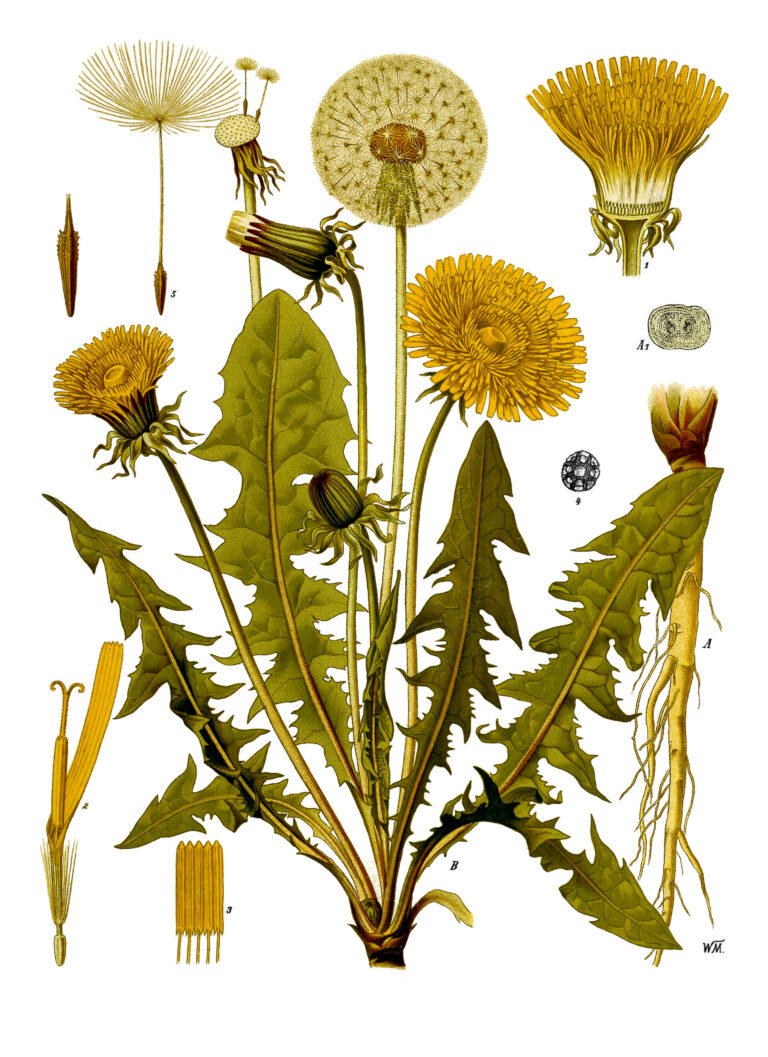
| Dandelion (Taraxacum officinale) | Mildly Beneficial | Vigorous germinator; cold period not usually needed |
| Yarrow (Achillea millefolium) | Mildly Beneficial | Surface sow; light-dependent; cold treatment can improve percentage |
Seeds more likely to require cold:
- Woodland plants
- Perennials
- Roots harvested medicinally
- Plants adapted to northern climates
Seeds less likely to require cold:
- Mediterranean herbs
- Annuals
- Self-seeding garden plants
The Herbarium
The Herbarium is a monthly print zine mailed to you – it covers plant history, botany, folklore, and herbalism